A glass elevator can turn a villa’s stairwell into a moving architectural feature. From a sunlit landing, it may frame a garden, reveal a stone wall, or connect several floors without hiding the home’s interior. But appearance is only part of the decision. Heat, glare, privacy, noise, maintenance access, and available shaft space all shape whether a particular design works well.
Why choose a glass elevator for a luxury villa? The answer depends on how the home is used, not just how it photographs. The International Energy Agency’s 2023 buildings-sector tracking estimated that building operations account for about 30% of global final energy consumption and 26% of energy-related emissions. Those figures are not elevator-specific, but they underline why efficient equipment and thoughtful building design matter. For a villa, ask suppliers for clear specifications on drive type, standby power, lighting, ventilation, and expected service needs. Request project references, too. A polished brochure is not proof of quiet, dependable performance.
Details matter. A transparent cabin can feel open, yet it may expose private rooms or become uncomfortable in direct afternoon sun. Glass also needs regular cleaning, especially near coastal air or dusty gardens. Before choosing a 2026 model, compare safety features, controls, finishes, warranty terms, and local servicing support with a qualified lift professional. Confirm that the proposed installation suits the villa’s structure and applicable requirements. There is no universal best model. A small compromise in views or cabin size may produce a more practical result—and that is worth admitting.
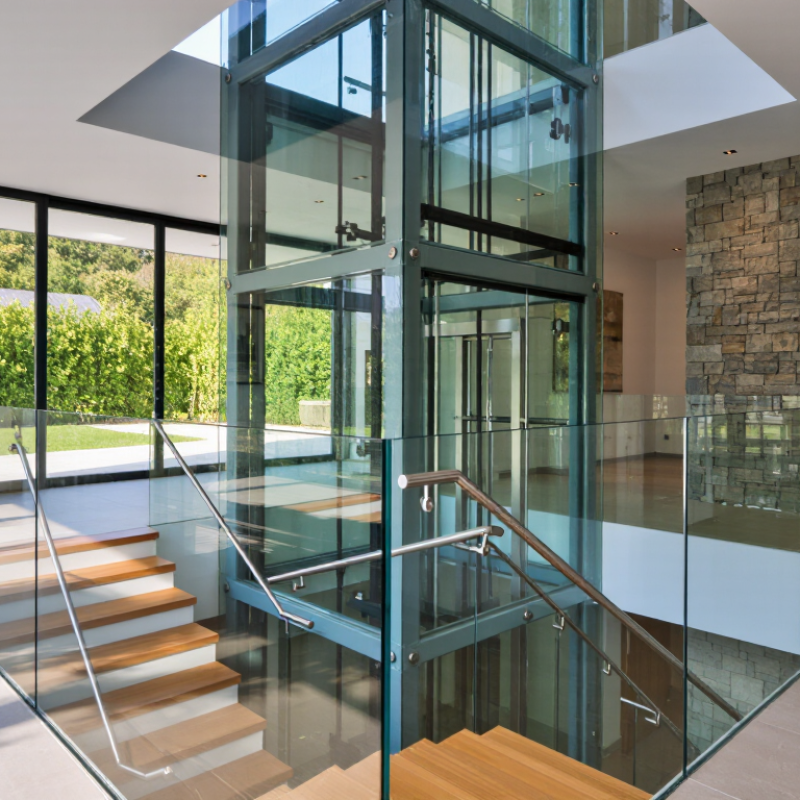
A glass elevator for a luxury villa is more than a clear-sided cabin. It is a compact vertical room, designed to connect floors while preserving views, daylight, and architectural flow. Its defining features include a transparent or partially glazed shaft, carefully controlled lighting, quiet operation, and finishes suited to the home’s interior. The glass should remain clear without making the ride feel exposed; placement near a stair or garden can offer views while keeping bedrooms private. Small details matter. Reflections at night can be surprisingly distracting.
Performance belongs in the definition, too. The International Energy Agency’s 2023 Global Status Report for Buildings and Construction states that buildings accounted for about 30% of global final energy consumption in 2022. That makes efficient drives, standby settings, and cabin lighting relevant choices, even for a single residential lift. Low noise and smooth starts are equally important in a quiet villa. So are dependable door sensors, emergency communication, and service access. A specialist should assess the available shaft space, travel height, expected use, and local safety requirements before specifying the system. The honest trade-off: extensive glazing can increase heat gain, glare, and cleaning demands. A good design balances the view with shading, ventilation, privacy, and maintainability.
It travels along guide rails inside a shaft, powered by a traction or hydraulic system. A controller checks floor calls, doors, and load sensors. The car then moves and levels at the landing.
No. The elevator structure must connect safely to the building. Glass panels enclose the shaft; they do not replace structural support.
It can be quiet, but not silent. You may hear the motor or closing doors, especially at night.
It can make floor-to-floor travel easier for older relatives, young children, or people carrying groceries. Clear panels also bring daylight into the car. Small detail, real difference.
Often, yes. Transparent walls keep sightlines open, so a shaft may feel less like a dark block. Views of a garden or stair hall can remain visible.
A transparent cabin may feel exposed, especially near bedrooms or neighboring properties. Check sightlines in person. A sample visit or mock-up may help, though it may not answer everything.
Fingerprints show clearly, so cleaning access matters. Bright sunlight can also cause glare or extra heat. Shading and suitable lighting may help.
Ask a qualified lift professional about capacity, travel height, expected use, access, backup operation, and safety standards. Also discuss installation space and how the elevator will fit the home. I would not judge the design from appearance alone.
A glass elevator can bring light, openness, and convenient vertical access to a luxury villa while complementing its architecture. In residential settings, a motorized lift moves a cabin between floors along a guided shaft, with options for different drive systems and configurations. Choices may include a panoramic cabin for a prominent central location, a compact design for a tighter footprint, or a more discreet installation that blends with the interior. The right style depends on the villa’s layout, available space, floor connections, and desired visual effect.
Why choose a glass elevator for a luxury villa? It can improve everyday accessibility, make movement between levels easier, and create a striking architectural feature without making the home feel closed off. When choosing one in 2026, consider safety features, capacity, ride comfort, energy use, maintenance needs, installation requirements, and how well the design fits the home. Comparing these practical details with personal style preferences can help homeowners select a solution that is attractive, comfortable, and suited to long-term use.

 DHI Lift