Installing a villa elevator is a significant investment for homeowners seeking convenience and accessibility. As families grow and lifestyles change, the question arises: "How much does it cost to install a villa elevator?" This inquiry involves various factors such as design, materials, and installation complexity. Understanding the financial aspects is crucial for planning and budgeting.
Villa elevators come in different styles and functionalities. They can range from simple platform lifts to sophisticated hydraulic systems. Each choice impacts the overall cost. Some homeowners might focus on aesthetics, while others prioritize functionality. Balancing these factors can be challenging, but it's essential to make informed decisions.
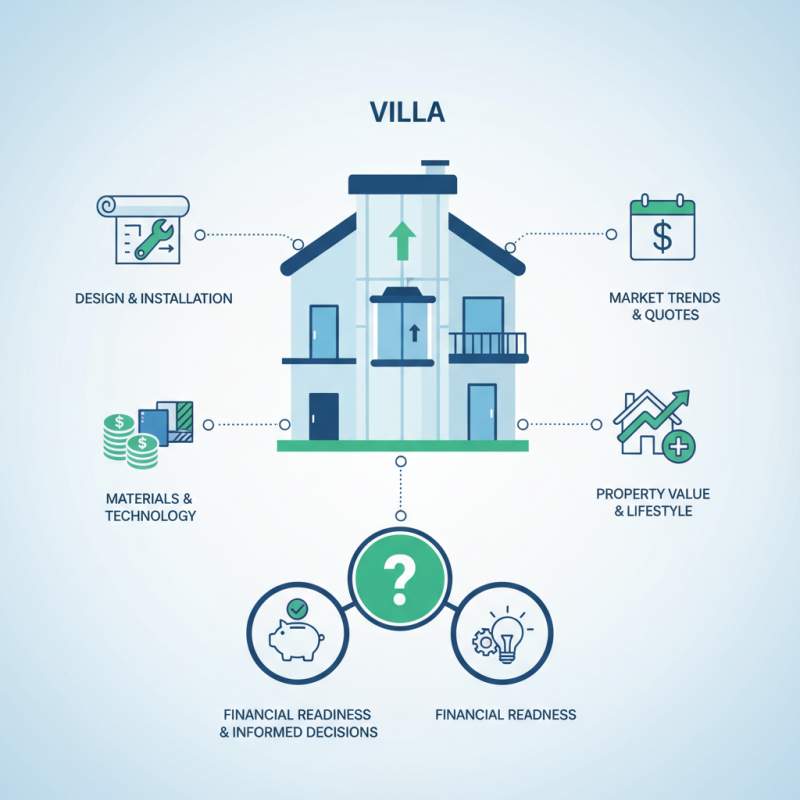
Market trends in 2026 indicate fluctuating prices due to technological advancements and supply chain variations. Industry professionals suggest getting multiple quotes to ensure competitive pricing. Moreover, consider long-term benefits alongside initial investments. A villa elevator can enhance property value and improve daily living. However, it's important to reflect on your needs and financial readiness before proceeding.
Villa elevators are becoming a popular addition to modern homes. Their elegance and functionality enhance both convenience and aesthetics. They come in various types, including hydraulic, traction, and pneumatic. Each type has unique features that cater to different needs.
Hydraulic elevators are common in smaller villas. They are quieter and efficient for low-rise buildings. Traction elevators, on the other hand, are suitable for taller villas. They use cables and pulleys, allowing for faster travel. Pneumatic elevators, with their sleek design, save space. However, their installation can be challenging.
Apart from types, features are crucial. Many villa elevators offer smart technology integration. This allows homeowners to control the elevator remotely. Safety features, like emergency brakes and alarms, enhance reliability. Costs can vary, so it’s wise to consult professionals. Each villa's layout and requirements significantly affect pricing. Investing in a villa elevator may require deeper reflection on budget and long-term benefits.
When considering villa elevator installation, various factors significantly influence the overall costs. Research indicates that the average cost for installing a residential elevator can range from $20,000 to $50,000, depending on specific requirements. The number of floors and the size of the elevator are crucial. A standard three-story villa may need a larger, more complex system compared to a two-story home.
Additionally, geographical location can impact expenses. Regions with higher labor costs, such as urban centers, may experience increased installation prices. Reports show that labor can account for 30% to 50% of the total installation cost. Accessibility issues also play a role; if the site requires additional construction for access or safety, this can add thousands to the final bill.
The type of elevator chosen is another critical factor. Hydraulic elevators tend to be less expensive than traction elevators but may require more maintenance. Studies have found that up to 30% of first-time buyers overlook maintenance costs. Meanwhile, aesthetic choices, such as custom cab designs, can also inflate prices. It’s essential to weigh both functionality and looks carefully.
Installing a villa elevator can greatly improve accessibility and convenience. It’s vital to understand the costs involved before proceeding. The costs include the elevator type, installation complexity, and required modifications. A gearless traction elevator may be more expensive but often provides better energy efficiency.
Calculating the total costs involves various factors. Begin with the elevator model. Different models have different price ranges, influencing your final bill. Consider the installation site. If structural changes are needed, expect additional expenses. Labor costs can also vary based on local rates. Use local contractors for quotes to get an accurate estimate.
It’s crucial to consider potential hidden costs. For instance, maintenance fees or required permits can add to your budget. Ensure you factor in the long-term value of the elevator. While initial costs might seem high, the benefits can outweigh them over time. Reflect on your specific needs to make the best decision for your villa.
When considering villa elevator installations, it’s crucial to compare different brands. Each brand showcases distinct advantages and costs that significantly impact your budget. Industry reports indicate that installation costs for home elevators range from $20,000 to $60,000, depending on various factors such as the type and brand of the elevator.
For instance, hydraulic elevators commonly present a lower installation cost but may lead to higher maintenance expenses over time. In contrast, traction elevators might come with a higher upfront price but promise better energy efficiency in the long run. This variability emphasizes the importance of assessing both installation and life cycle costs when deciding.
Research suggests that many homeowners overlook essential factors during their evaluation. Some installations can take longer than expected. Delays may arise from site preparation issues or unexpected building codes. It's vital to prepare for potential changes in the timeline and budget. Market insight shows that planning for additional expenses can help avoid surprises later. An informed selection process guarantees you not only choose the best product but also receive maximum value.
As we look ahead to 2026, villa elevator installations are evolving in both design and cost. According to a recent report from the Elevator World, the average installation cost for residential elevators is projected to rise by 15-20% due to increased demand and material costs. This shift is pushing homeowners to evaluate their options meticulously.
Smart technology is a notable trend in future installations. More villas are integrating features like touchless controls and energy-efficient systems. Data from the National Home Builders Association indicates that nearly 40% of new homes will incorporate smart technology by 2026. However, this advancement often comes with a higher upfront cost, which can lead to hesitation for some buyers.
While technological improvements are exciting, they can complicate installation processes. Many builders have reported challenges in retrofitting existing structures for modern systems. It's vital for homeowners to consider long-term benefits versus initial costs. Investing in a villa elevator now might not yield immediate satisfaction, but it offers convenience and increased property value in the future.
: There are hydraulic, traction, and pneumatic elevators. Each type serves different needs.
Hydraulic elevators are preferred for smaller villas. They are quieter and efficient.
Traction elevators use cables and pulleys for faster travel. They are ideal for taller structures.
Many include smart technology. This allows remote control for convenience.
Yes, features like emergency brakes and alarms enhance safety and reliability.
Costs vary widely based on layout and requirements. Professional advice helps in budgeting.
Installation costs may rise by 15-20% due to demand and material expenses.
Touchless controls and energy-efficient systems are emerging trends.
Yes, retrofitting existing structures can be complicated and may cause delays.
Yes, while the initial investment may be high, it increases property value over time.
The article titled "2026 Best Villa Elevator Installation Cost Insights" provides a comprehensive overview of villa elevators, focusing on their various types, features, and benefits. It discusses key factors influencing installation costs, helping homeowners understand how much does it cost to install a villa elevator. A step-by-step guide is included to aid in accurately calculating these costs, emphasizing the importance of considering specific needs and preferences during the decision-making process.
Additionally, the article compares installation costs across different villa elevator brands, providing valuable insights for potential buyers. It also explores future trends in the villa elevator market for 2026, preparing readers for expected changes in technology and pricing structures. Overall, this insightful guide serves as a crucial resource for anyone considering installing a villa elevator in the coming years.

DHI Lift