What is the Average Lifespan of a Residential Elevator?

Time:2026-06-10 Author:Henry
0%

When considering the question, "What is the average lifespan of a residential elevator?" industry expert Mark Thompson offers valuable insight. He states, “A well-maintained residential elevator can last between 20 to 30 years.” This timeframe highlights the importance of maintenance and care.

Residential elevators, although designed for convenience, face wear and tear over the years. Factors such as usage frequency, type of elevator, and maintenance practices significantly influence their longevity. Older elevators may require more frequent repairs, giving way to concerns about safety and reliability.

It's vital for homeowners to understand the implications of neglecting maintenance. Regular inspections can extend the life of an elevator and prevent costly breakdowns. In the end, while many factors come into play, understanding "What is the average lifespan of a residential elevator?" can help owners make informed decisions about their investment in home mobility solutions.
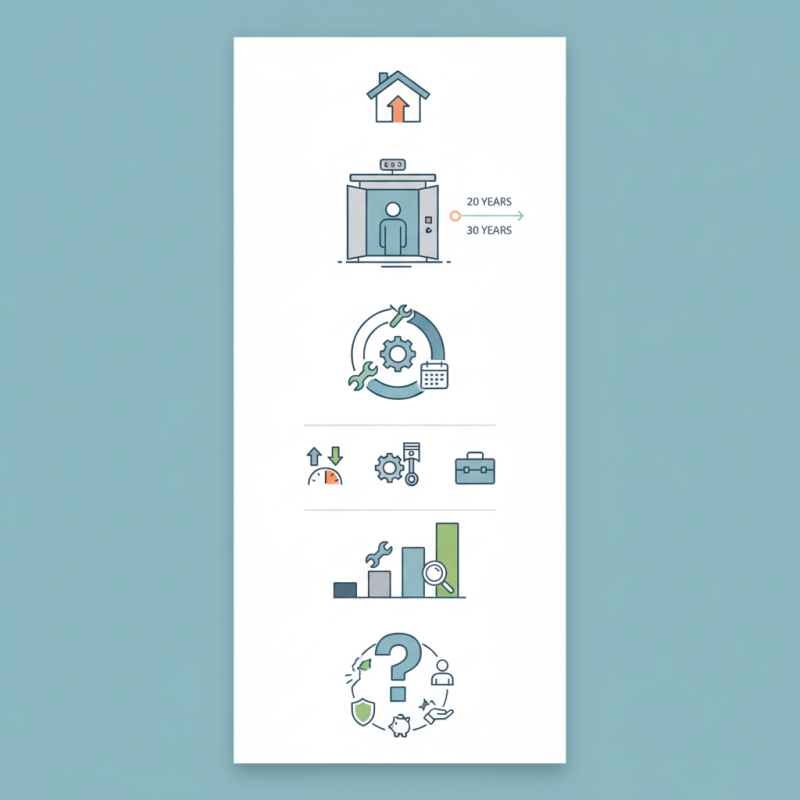
What is the Average Lifespan of a Residential Elevator?

Factors Influencing the Lifespan of Residential Elevators

The lifespan of a residential elevator typically ranges from 15 to 30 years. Several factors can significantly affect this duration. Regular maintenance practices, for instance, prolong the functionality of the elevator. Well-maintained systems encounter fewer breakdowns, leading to longer service lives. Neglecting maintenance can result in wear and tear, affecting overall performance.

The type of materials used plays a crucial role too. Stainless steel components resist rust better than others. Likewise, the environment where the elevator operates makes a difference. Humid or corrosive atmospheres can speed up degradation. Homeowners should also consider usage frequency. Elevators in busy households may experience quicker wear.

Tips: Schedule routine inspections to detect issues early. Keep the elevator's mechanical parts clean and lubricated. Enhance safety by ensuring that users follow the weight limits. Taking these steps can help in preserving the elevator's lifespan.

Common Lifespan of Different Types of Residential Elevators

When considering the lifespan of residential elevators, multiple factors come into play. Generally, the lifespan ranges from 15 to 30 years, depending on the type and usage. Hydraulic elevators often last about 20 to 25 years. They require regular maintenance to ensure smooth operation.

Conversely, traction elevators can last longer, up to 30 years or more. These systems are known for their durability. However, they also need annual inspections. Routine checks help identify wear and tear, preventing more significant issues.

Old systems can show signs of decline sooner. Homeowners may notice strange noises or slow operation. It’s crucial to pay attention to these signs. Planning for replacements or updates is essential for maintaining safety and reliability. A proactive approach ultimately extends the overall lifespan of the elevator system.

Maintenance Practices to Extend Elevator Longevity

Residential elevators typically have a lifespan of 20 to 30 years. This longevity varies based on maintenance practices. Regular maintenance is crucial in extending the life of these elevators. Industry reports indicate that over 40% of elevator breakdowns result from inadequate upkeep.

Routine inspections can catch issues early. Experts suggest biannual assessments, focusing on lubricating moving parts and checking the electrical system. Neglecting these tasks can lead to costly repairs. In fact, unaddressed minor issues may escalate into significant failures, shortening the elevator’s lifespan.

Additionally, the environment plays a role in elevator durability. Elevators in humid or corrosive settings require more frequent checks. Specialized components may be needed to resist wear. Failure to adapt maintenance based on environmental conditions can lead to increased downtime. Awareness of these factors is essential in preserving the functionality and safety of residential elevators.

Average Lifespan of Residential Elevators by Maintenance Frequency

Signs Your Elevator Needs Replacement or Major Repair

Residential elevators typically last around 20 to 25 years. However, various factors can accelerate wear and tear. Understanding when your elevator may need replacement or major repairs can save you time and money. Regular maintenance is crucial. According to industry reports, nearly 30% of elevators require significant repairs before their expected lifespan ends.


Signs that your elevator might need immediate attention include:

  • Unusual noises
  • Slow operation
  • Erratic door functions

If the elevator suddenly stops, it can be a serious concern. These issues often indicate mechanical failures that, if left ignored, could lead to more costly repairs. An accessible, functional elevator is key for home safety.


Tips: Pay attention to the elevator's behavior. Frequent malfunctions? Schedule an inspection. Check for corrosion in cables or other components. It's vital to address these signs early. Regular inspections can prolong lifespan and enhance reliability. Budget for upgrades if your elevator reaches 20 years old, as recommended by experts in the industry. This proactive approach can prevent larger, unexpected expenses.

Cost Considerations for Repairing vs. Replacing an Elevator

When considering elevators in residential properties, repairs and replacements come into focus. Evaluating whether to repair or replace an elevator can be challenging. Costs play a crucial role in this decision. Repairs often seem cheaper initially. However, repeated repairs can add up over time. A well-maintained elevator might last longer, but aging systems may need frequent attention.

There are important factors to consider. Repair costs can escalate if major components fail. Replacement may appear costly, but it's vital to evaluate long-term reliability. Sometimes, new elevators offer energy efficiency and improved safety features. Investing in a new system can enhance property value.

Tip: Keep an eye on maintenance schedules. Regular check-ups can prevent larger issues and save money. Set a budget for unexpected repairs, ensuring no financial surprises arise.

Evaluate your elevator’s performance regularly. Is it providing smooth operation? If not, consider the implications of ongoing repairs versus a new system. Noticing minor issues early can lead to significant savings.

FAQS

: What is the typical lifespan of a residential elevator?

: A residential elevator typically lasts between 15 to 30 years.

How can I extend my elevator's lifespan?

Regular maintenance and inspections can significantly prolong functionality and service life.

What materials are best for elevator longevity?

Stainless steel components resist rust better and are a good choice for durability.

How does the operating environment affect an elevator?

Humid or corrosive environments can accelerate degradation of elevator components.

Why is maintenance important for elevators?

Neglecting maintenance can lead to wear and tear, affecting overall performance and lifespan.

Is it cheaper to repair or replace an elevator?

Initially, repairs may seem cheaper, but costs can accumulate with repeated issues.

What should I consider before replacing an elevator?

Long-term reliability and energy efficiency of new systems can enhance property value.

How can I prevent large repair costs?

Schedule routine inspections and keep parts clean to detect issues early.

What are signs my elevator needs attention?

If it’s not operating smoothly or showing minor issues, it might need repair or replacement.

Should I have a budget for elevator repairs?

Yes, setting aside a budget for unexpected repairs can prevent financial surprises.

Conclusion

When considering "What is the average lifespan of a residential elevator?", several factors come into play, including the type of elevator, frequency of use, and the quality of installation. Typically, residential elevators can last between 15 to 25 years, depending on these variables. For instance, hydraulic elevators often have a different lifespan compared to traction elevators.

To ensure longevity, regular maintenance practices are crucial; these can significantly extend the operational life of an elevator. Homeowners should also be vigilant for signs that indicate the need for replacement or major repairs, such as unusual noises or inconsistent operation. Ultimately, when making a decision on repair versus replacement, cost considerations play a vital role, with repairs potentially being more economical in the short term, but replacement offering longer-term benefits.

Henry

Henry

Henry is a dedicated marketing professional with a profound expertise in the company's offerings. With years of experience in the industry, he possesses an impressive understanding of the market dynamics and consumer behaviors that drive success. Henry is committed to sharing his insights through......