What Are the Benefits of China Best Destination Dispatch?

Time:2026-11-19 Author:Henry
0%

In a busy Chinese office tower, passengers may press several floor buttons while queues build beside the lift doors. Destination dispatch changes that routine: riders enter their destination before boarding, and the system groups people traveling to nearby floors. The result can be fewer stops, smoother loading, and more predictable journeys. Small details matter.

What are the benefits of destination dispatch technology? The answer depends on the building’s traffic pattern, lift capacity, and peak-hour demand. Schindler has reported that its PORT destination-control system can increase handling capacity by up to 30% in suitable applications. That is a manufacturer’s claim, not a universal or independently guaranteed result. CIBSE’s Guide D and CTBUH vertical-transportation guidance both underline why traffic analysis and building-specific planning are essential. A system that works well in a commercial tower may not suit a hotel or residential complex.

Elevator traffic analyst Dr. Richard Peters is a relevant industry expert; his work focuses on modelling and evaluating lift performance. A practical summary of that expertise is: “Destination control delivers value when its traffic assumptions match the building’s real passenger demand.” This is a paraphrase, not a verified verbatim quotation. China’s dense urban developments may benefit from faster grouping and clearer passenger instructions, especially during morning arrivals. Yet software alone cannot fix undersized lifts, poor lobby layouts, or inaccurate traffic data. The best destination-dispatch solution is measured against actual performance: waiting times, journey times, and handling capacity—not a brochure promise.
What Are the Benefits of China Best Destination Dispatch?

What China Best Destination Dispatch Means

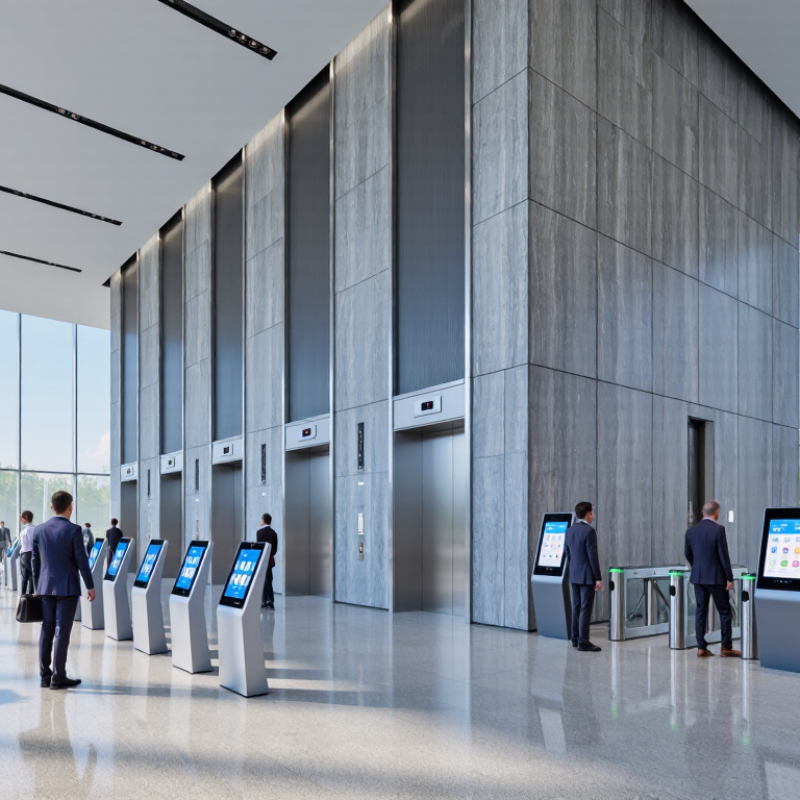
China Best Destination Dispatch refers to an elevator system that assigns passengers to cars based on their selected floors. Instead of pressing a floor button inside the elevator, a passenger enters the destination at a hall keypad or access screen. The system then groups people with similar destinations and displays which car to board.

At a busy office entrance, several passengers heading to nearby upper floors may be directed to the same elevator. This can reduce unnecessary stops and make boarding more organized during peak periods. Less crowding helps. The phrase “best” should be judged by how well a system fits a building, not by a label alone. Performance depends on elevator capacity, passenger patterns, and accurate setup.

Tips: Check that screens are easy to read, instructions are clear, and accessible input options are available. Test the system during real busy periods.

Building managers should review dispatch data after installation and adjust settings when traffic changes. A layout that works at 9 a.m. may feel less efficient at lunchtime. Destination dispatch can improve flow, but it may confuse visitors who expect traditional buttons. Clear signs near the entrance make a practical difference.

How Destination Dispatch Groups Passengers by Destination

In busy Chinese office towers, destination dispatch starts by asking passengers to select their floors before entering an elevator. The system then groups people travelling to the same or nearby floors and assigns them to a suitable car. Instead of stopping at every requested level, an elevator can make fewer, more purposeful stops. Less waiting.

For example, several employees heading to floors 18, 19, and 20 may be directed to one elevator, while passengers going to lower floors board another. Clear screens and audible announcements help people find the assigned car in a crowded lobby. This can make peak-hour traffic feel more orderly and reduce unnecessary elevator movement. It is not automatic perfection. If passengers enter the wrong floor or ignore their assignment, the grouping becomes less effective. Building managers should review traffic patterns, signage, and accessibility needs, then adjust settings as use changes. A thoughtful setup matters as much as the dispatch technology.

How It Reduces Waiting and Travel Times

Destination dispatch can shorten elevator trips by assigning passengers to cars before they enter. In a busy office tower, a visitor selects a floor at a lobby kiosk. The system groups people heading to nearby floors, so one car can serve them with fewer stops. Fewer stops often mean less time moving between floors and less time spent waiting inside the elevator. The difference is noticeable during morning arrivals, when several groups may reach the lobby together.

Less crowding helps, too. Clear car assignments can prevent passengers from boarding the first open elevator and stopping at many unrelated floors. A person heading to the 18th floor may share a ride with others going to nearby floors, rather than waiting through a long sequence of stops.
Shorter queues. Smoother rides. Results still depend on passenger volume, building layout, and how clearly the system guides visitors. If people miss their assigned car or need extra help using the kiosk, delays can return. That limitation deserves attention, especially in unfamiliar buildings. Good signs and staff support make the system easier to use, though the busiest periods may still feel slow.

How It Improves Elevator Capacity and Energy Efficiency

What Are the Benefits of China Best Destination Dispatch?
How It Improves Elevator Capacity and Energy Efficiency

Destination dispatch groups passengers by floor before they enter an elevator. Fewer unnecessary stops can mean shorter trips and more passengers moved during busy periods. CIBSE Guide D (2020) uses five-minute handling capacity and passenger waiting time as key measures in lift planning. Office traffic benchmarks commonly target handling roughly 12–15% of the building population within five minutes. Actual results depend on building layout, passenger patterns, and the number of cars. A simulation is essential.

Fewer stops may also reduce door cycles and wasted movement, helping limit energy use during peak periods. But savings are not automatic. ISO 25745-2 provides a method for assessing elevator energy performance; it does not guarantee a fixed reduction from destination dispatch alone. Compare energy use and waiting times under the same traffic assumptions. Watch for longer walks to assigned cars, too. Small details matter.

Tips: Test a five-minute morning peak using real floor-by-floor traffic data. Check average waiting time, handling capacity, and energy use together. If the system sends passengers to distant cars, revise the grouping rules. The trade-off deserves attention.

What Are the Benefits of China Best Destination Dispatch? - How It Improves Elevator Capacity and Energy Efficiency
Dimension How Destination Dispatch Works Potential Capacity Benefit Potential Energy Benefit How to Evaluate It
Passenger grouping Passengers enter their destination before boarding. The control system can assign people going to nearby floors to the same car. Grouping compatible trips can reduce repeated stops and help cars serve more passengers during busy periods. Fewer stops may reduce some travel and door-operation energy, depending on the trip pattern and elevator system. Compare average stops per trip, passenger waiting time, and passengers handled during comparable traffic periods.
Car assignment The system directs each passenger or group to an assigned car rather than relying only on a conventional up-or-down call. More coordinated assignments can reduce overlapping service and improve the use of available cars. Better allocation may avoid unnecessary trips, but savings depend on traffic, car loading, and control settings. Review car utilization, empty or lightly loaded trips, and passenger journey times before and after implementation.
Peak-traffic handling Destination information helps the system respond to traffic patterns such as morning arrivals, lunchtime movement, or evening departures. Traffic-aware dispatch can improve handling capacity and reduce queues when demand is concentrated. Efficient routing may reduce avoidable movements; it does not guarantee lower energy use during every traffic pattern. Measure waiting-time distributions and handling capacity during the same peak periods, with similar occupancy and service conditions.
Passenger waiting and ride time Assignments are made using passenger destinations and system operating conditions. Coordinated routing can make service more predictable and may reduce waiting or in-car time in suitable installations. Shorter trips or fewer stops can contribute to lower energy use, while actual results also depend on car speed, load, and equipment efficiency. Track average and high-percentile waiting time, ride time, and trip stops rather than relying on a single average.
Building space and traffic management Passengers receive clear car assignments, which can organize boarding in the lobby. More orderly boarding can help manage lobby queues, but destination dispatch does not increase the physical capacity of an elevator car. Any energy effect is indirect and comes from operational changes, not from passenger assignment alone. Assess lobby congestion alongside elevator performance, and distinguish system capacity from the rated capacity of each car.
Energy measurement Dispatch logic influences which cars travel, when they travel, and how many stops they make. Capacity and energy outcomes should be assessed together because a change that improves service may also change operating patterns. Verify energy consumption with metered data; results vary with building use, elevator design, motor and drive efficiency, standby settings, and maintenance. Compare electricity use over equivalent periods and normalize for passenger demand, operating hours, and relevant building conditions.
System limits and suitability Performance depends on accurate destination input, appropriate system configuration, and compatibility with the building’s elevator installation. Benefits are not identical in every building; low traffic, unusual passenger flows, or unsuitable configurations may limit improvement. Destination dispatch alone is not an energy-saving guarantee; energy-efficient equipment and operating settings also matter. Use a site-specific traffic study and verify results through commissioning data and ongoing performance monitoring.
Important: Destination dispatch can improve how elevator capacity is used, but it does not change a car’s rated load or speed. Capacity and energy results should be confirmed with measurements from the specific building.

Where Destination Dispatch Benefits Buildings in China

In China’s busy office towers, hotel complexes, and transport-linked developments, elevator traffic can change sharply between morning arrivals, lunch breaks, and evening departures. Destination dispatch lets passengers enter their floor before boarding, then groups people travelling to nearby floors. That can reduce unnecessary stops and make the lobby feel less crowded during peak periods.

Fewer stops. More predictable rides.

The benefits depend on the building. A mixed-use tower in Shenzhen may serve office workers, hotel guests, and shoppers at different hours; grouping similar trips can help keep these flows moving. In a hospital or residential building, clear screens and simple instructions matter just as much as routing. Visitors should not have to guess which car to take.

Building managers can review traffic patterns and adjust settings as occupancy changes, but results also depend on elevator capacity, floor layout, and passenger habits. A poorly explained system may slow people down instead. That detail is easy to overlook.

For older buildings or sites with frequent visitors, a staffed transition period and visible guidance can make adoption smoother.

FAQS

How does destination dispatch reduce waiting time?

Passengers enter their floors at a lobby kiosk. The system groups nearby destinations, which can reduce stops and waiting. Results vary.

Can it make elevator rides less crowded?

Clear car assignments can stop everyone from boarding the first open elevator. A passenger going to floor 18 may ride with people headed to nearby floors. Shorter queues. Not always.

How can building managers measure capacity?

They can check how many people the elevators move in five minutes and track average waiting time. Office benchmarks often target roughly 12–15% of the building population. A simulation matters.

Does destination dispatch always save energy?

No. Fewer stops and door cycles may reduce wasted movement, but savings are not guaranteed. Compare energy use under the same traffic conditions.

Which buildings may benefit from this system?

Busy office towers, hotels, and transport-linked developments may benefit during peak periods. In a mixed-use tower, office workers and hotel guests may travel at different times.

Is it suitable for hospitals and residential buildings?

It can be, if screens and instructions are clear. Visitors should not have to guess which car to take. That detail is easy to miss.

What can cause delays even with destination dispatch?

Passengers may miss their assigned car or need help with the kiosk. Long walks to assigned cars can also be a problem. Busy periods may still feel slow.

How should a building test the system?

Use real floor-by-floor traffic data for a morning peak. Track waiting time, handling capacity, and energy use together. Adjust grouping rules if assigned cars feel too far away.

Conclusion

Destination dispatch is an elevator system that asks passengers to select their destination before boarding. It then groups people traveling to nearby floors and assigns them to the same car, rather than having every passenger choose a floor after entering. What are the benefits of destination dispatch technology? By organizing trips in advance, it can reduce unnecessary stops, shorten waits in busy periods, and help passengers reach their floors more quickly.

Grouping journeys also helps elevators carry more people efficiently and can reduce energy use by limiting repeated stops and poorly coordinated trips. These advantages can be useful in many types of buildings in China, including offices, hotels, residential towers, and mixed-use developments. The system can support smoother movement through busy lobbies, especially where many people travel at similar times, while helping building operators make better use of existing elevator capacity.

Henry

Henry

Henry is a dedicated marketing professional with a profound expertise in the company's offerings. With years of experience in the industry, he possesses an impressive understanding of the market dynamics and consumer behaviors that drive success. Henry is committed to sharing his insights through......