10 Best Tips to Choose a Lasting Elevator Interior Design?

Time:2026-07-19 Author:Oliver
0%

Designing a lasting elevator interior is not just about aesthetics. It requires careful consideration of various factors. How to choose an elevator interior design that lasts? This decision impacts both functionality and user experience. An elevator reflects the building’s style and can influence how users perceive the space.

When thinking about durability, materials play a critical role. Opt for finishes that withstand wear and tear while maintaining their appeal. Lighting should also be functional yet inviting, creating a welcoming atmosphere. Additionally, thoughtful design elements can provide a sense of safety and comfort.

It’s essential to balance creativity with practicality. Trends come and go, but a timeless design remains relevant. Reflect on what works for the specific environment. Seek advice from experienced designers, as they can offer valuable insights. Making informed choices ensures the elevator serves its purpose effectively and remains an asset for years to come.
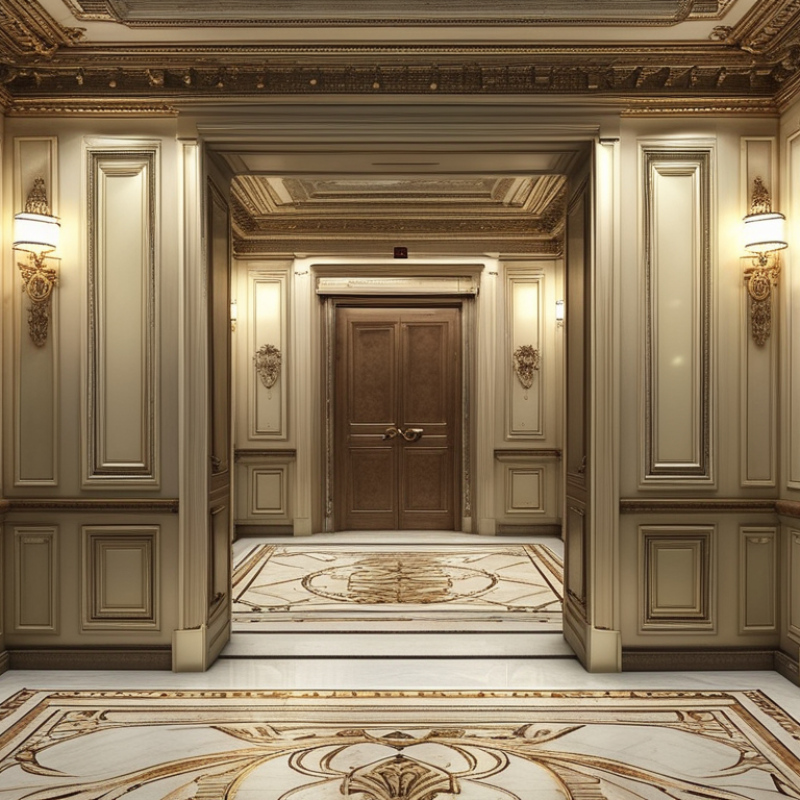
10 Best Tips to Choose a Lasting Elevator Interior Design?

Understanding the Importance of Elevator Interior Design

Elevator interior design might seem minor, but it plays a crucial role. It's the first impression for visitors. How a space feels affects comfort levels. Thoughtful design can elevate the mood and create a welcoming atmosphere. A well-designed elevator showcases attention to detail and professionalism. Poor design can lead to negative experiences.

Understanding factors like lighting and materials is vital. Bright lights can enhance safety and visibility. Textures and colors evoke feelings. Considerations should include durability and maintenance as well. An inviting space can support your brand's identity. But finding the right balance can be challenging.

Sometimes, design choices may not meet expectations. Overly trendy elements can quickly feel outdated. Regular assessments are essential to ensure lasting appeal. Seeking feedback from users can help identify overlooked issues. Reflections on your design choices can lead to improvements, fostering a more welcoming experience.

Identifying Your Target Audience for Elevator Users

When designing an elevator interior, understanding your target audience is crucial. According to a report from the Elevator Research Institute, about 80% of elevator users prioritize comfort and aesthetics during their ride. This demographic includes a diverse mix of people, from busy professionals to families with children. Each group has different needs. For example, business users favor sleek, modern designs that reflect professionalism. In contrast, families look for warmth and safety features.

Elevator use can involve significant wait times, making the interior design experience essential. People often spend an average of 1.5 to 2 minutes in elevators. If the ambiance is appealing, users feel relaxed. Incorporating materials like soft lighting and calming colors can enhance this experience. However, many designs overlook the impact of sound. Research indicates that around 75% of users dislike noisy environments, making sound-proofing a vital consideration.

Designing for your target audience also means integrating user feedback. Some designs may look appealing but fail to account for functionality. For instance, users might find narrow spaces claustrophobic, impacting their experience negatively. Regular audits and community surveys can help refine the interior. Listening to what people say about comfort can inform better design choices in the future.

Choosing Durable Materials for Longevity and Style

When choosing materials for elevator interiors, durability should be a top priority. Reports indicate that approximately 70% of elevator issues stem from inadequate material choice. Selecting robust materials ensures the longevity of the elevator while maintaining an elegant appearance. Stainless steel, for instance, is common due to its resistance to wear and corrosion. It has a lifespan that often exceeds 30 years with proper maintenance.

Designers also emphasize aesthetic quality alongside durability. Polished stone, such as granite or marble, can offer both beauty and durability. While they may come with higher upfront costs, their resilience and timeless appeal make them a sound investment. According to industry data, elevators with high-quality finishes can enhance a building's value by about 15%.

However, not all choices yield perfect outcomes. Some materials may look appealing but suffer from wear over time. For example, laminate can scratch easily, diminishing its charm. Reflecting on past design choices can guide future decisions. Exploring the balance between aesthetic and functional materials is crucial for achieving lasting elevator interiors.

Incorporating Safety and Accessibility Standards in Design

When designing elevator interiors, prioritizing safety and accessibility is crucial. Ensure that the design complies with relevant safety codes. Using non-slip flooring can prevent accidents. Make sure handrails are installed at a comfortable height for all users. Consider incorporating visually distinctive elements to assist those with visual impairments.

Incorporating accessibility standards improves experience for everyone. Design elements like wide doorways and low-profile thresholds promote inclusivity. Choose appropriate lighting that enhances visibility without being harsh. Clear signage in large fonts is essential for effective navigation within the elevator.

It’s important to be mindful of potential design flaws. Overly complex designs might confuse users. Color schemes that lack contrast can hinder visibility. Regularly seek feedback from users to identify areas needing improvement. Balancing style with functionality is vital for a lasting impact.

Balancing Aesthetics and Functionality in Elevator Interiors

When choosing elevator interiors, striking a balance between aesthetics and functionality is crucial. A well-designed elevator interior should reflect the building's character while providing a safe and efficient space. Aesthetics can enhance the user experience, but it must never compromise safety. Factors like lighting and materials can affect both aspects. Natural light can create an inviting atmosphere, yet it should be managed carefully to ensure visibility and safety.

Functionality is equally important. The layout should cater to all users, including those with disabilities. Consider the placement of handrails and clearly marked buttons. Users may not notice a beautiful design if they struggle with basic operations. Reflective surfaces may boost aesthetics, but they can contribute to glare. Use designs that prioritize user comfort while maintaining visual appeal. Engaging professionals with experience in elevator design can ensure these elements coexist harmoniously.

10 Best Tips to Choose a Lasting Elevator Interior Design

FAQS

: Why is safety important in elevator design?

: Safety ensures users have a secure experience. Non-slip flooring can prevent falls.

How can accessibility be improved in elevator interiors?

Use wide doorways and low thresholds. This promotes ease of access for everyone.

What lighting choices enhance safety in elevators?

Appropriate lighting should improve visibility without being too harsh. Natural light can help, but manage it well.

How can user feedback improve elevator design?

Regular feedback helps identify design flaws. Users can highlight confusing elements or visibility issues.

What common design flaws should be avoided?

Complex designs can confuse users. Lack of color contrast can hinder visibility, making navigation difficult.

How can functionality and aesthetics coexist in design?

Balance is needed. A beautiful design shouldn’t compromise safe and easy use for all.

What role do handrails play in elevator interiors?

Handrails should be at comfortable heights. They assist users, particularly those with mobility challenges.

Why is clear signage important in elevators?

Clear signage helps users navigate effectively. Large fonts improve readability for everyone, especially visually impaired users.

How can elevator interiors reflect a building's character?

Choose design elements that harmonize with the building’s style. A cohesive look enhances the overall user experience.

What should be considered when selecting materials for elevator design?

Materials should balance aesthetics with safety. Some reflective surfaces may create glare, affecting visibility negatively.

Conclusion

When considering "how to choose an elevator interior design that lasts," it is essential to understand the crucial role of elevator interior design in enhancing user experience and safety. First, identifying your target audience allows for tailored design choices that cater to the needs and preferences of various user demographics. Selecting durable materials is equally important, as they ensure longevity without compromising on style, making the elevator not only functional but also visually appealing.

Moreover, incorporating safety and accessibility standards into the design is vital to ensure that all users feel comfortable and secure while using the elevator. Finally, striking a balance between aesthetics and functionality will create an inviting space that serves its practical purpose efficiently. Together, these elements contribute to a lasting elevator interior design that meets both user expectations and design standards.

Oliver

Oliver

Oliver is a seasoned marketing professional with a wealth of expertise in driving brand awareness and engagement. With a deep understanding of our company's product offerings, he consistently delivers high-quality content that enriches our professional blog. His insights not only shed light on......