In today's urban landscape, high-rise buildings present unique challenges. Efficient elevator traffic flow is one of these challenges. As cities grow, we need to ask: How to improve elevator traffic flow in high-rise buildings?
Elevators are a crucial aspect of high-rise design. Delays can lead to frustration. Inefficient systems can reduce productivity and increase stress. Analyzing real-time data can help. This method allows for adjustments based on demand.
Incorporating advanced technologies is another effective strategy. Smart systems can predict traffic patterns. They adapt accordingly, improving overall efficiency. However, not all high-rise buildings utilize these innovations yet. Many rely on outdated designs, leading to congestion. Addressing these issues is essential for the future of urban development.
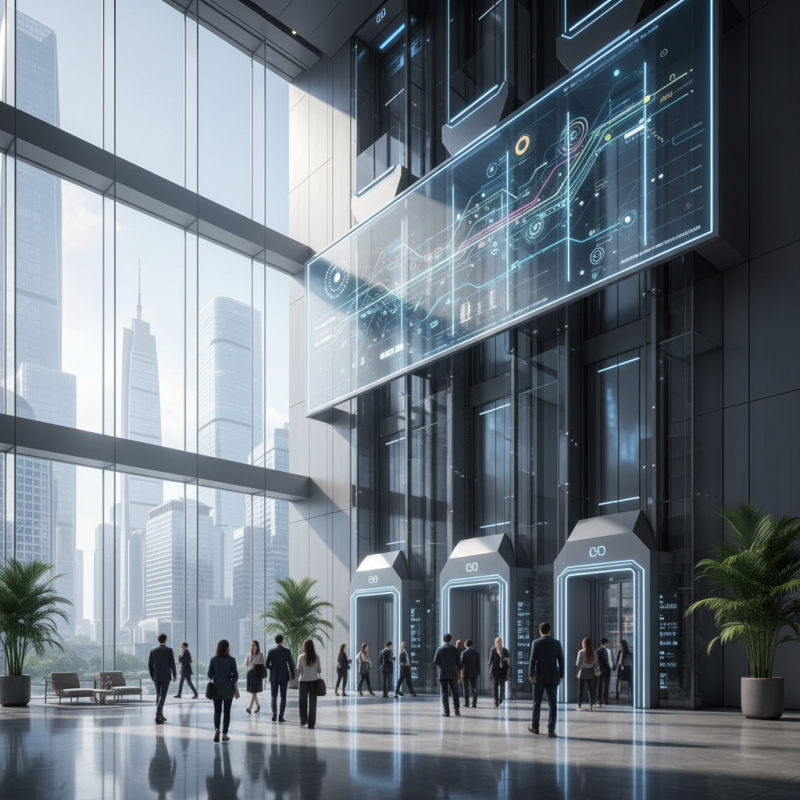
Elevator design significantly impacts traffic flow in high-rise buildings. Innovative technologies can enhance efficiency and reduce wait times. A recent report from the International Elevator and Escalator Expo reveals that smart elevator systems can reduce waiting times by up to 30%. This improvement is crucial in buildings where every second counts.
One notable concept is the introduction of destination dispatch systems. These systems group passengers based on their intended floors, allowing for better management of elevator usage. Studies show that this method can decrease average travel times by over 25%. Despite these advancements, challenges remain. Not all buildings are equipped to implement such high-tech solutions, and retrofit costs can be substantial.
Another area for improvement is elevator car design. Wider and more spacious cars can accommodate more passengers. However, this can lead to increased energy consumption. Hence, striking a balance between capacity and efficiency is crucial. Collaboration among architects, engineers, and elevator manufacturers is essential to create designs that optimize traffic flow while remaining sustainable.
Elevator traffic in high-rises presents unique challenges. Smart scheduling algorithms can significantly optimize usage. These algorithms analyze real-time data, improving wait times and reducing congestion. According to industry reports, effective algorithms can enhance efficiency by over 30%.
Data points guide these algorithms. They focus on peak hours and user patterns. For instance, during morning rush hours, more elevators should service lower floors. This demand-based approach can lead to significant time savings. Research indicates that a well-implemented system can reduce average wait times to below 20 seconds.
However, not all systems are perfect. Some algorithms may struggle with unexpected surges in traffic. Minor system failures can cause delays, impacting user experience. Regular updates and maintenance are crucial for reliability. Continuous assessment of data is necessary to refine these algorithms, ensuring they adapt to changing patterns in building occupancy.
| Method | Description | Benefits | Challenges |
|---|---|---|---|
| Smart Scheduling Algorithms | Utilizes AI to predict elevator demand | Improves wait times and elevator efficiency | Requires complex data processing |
| Zoning Systems | Divides elevators into zones for efficiency | Reduces travel times for passengers | Can limit accessibility for some users |
| Destination Dispatch | Assigns elevators based on passenger destinations | Optimizes elevator usage and reduces stops | Need for intuitive user interfaces |
| Predictive Maintenance | Uses data to anticipate maintenance needs | Minimizes downtime and service interruptions | Initial setup costs can be high |
| Energy Feedback System | Monitors and optimizes energy usage | Reduces operational costs | Implementation complexity |
| Real-time Monitoring Systems | Tracks elevator performance in real time | Quick response to issues | Requires robust IT infrastructure |
| Multimedia User Interfaces | Engaging interfaces for users | Enhances user experience | Potentially higher maintenance costs |
| User Engagement Systems | Collects feedback to improve services | Increases user satisfaction | Requires continuous monitoring |
| Smart Building Integration | Integrates elevator systems with building management | Holistic efficiency improvements | High initial investment |
| Flexible Control Systems | Adapts to changing traffic patterns | Maximizes efficiency during peak hours | May require ongoing adjustments |
Elevator design is evolving, especially in high-rises. User interface technologies play a crucial role in this transformation. By integrating smart touchscreens and voice recognition, we can offer a seamless experience. Passengers can select their floor or make requests effortlessly. This reduces wait times and enhances efficiency.
However, implementing these technologies isn't without challenges. Some users may struggle with new interfaces. Aging populations might find touchscreens difficult. There's also the risk of technical failures, which can disrupt service. Regular training and information sessions could help mitigate these issues. It's essential for building managers to address usability concerns to improve overall satisfaction.
Moreover, combining user data with elevator systems can streamline operations. Analyzing peak usage hours can inform optimizations. Predictive analytics can adjust elevator distribution based on traffic patterns. However, misuse of data can lead to privacy concerns. Balancing innovation with user trust is essential in this technological era.
This chart illustrates the effectiveness of various strategies to enhance elevator traffic flow in high-rise buildings, highlighting user interface technology integration's impact on passenger experience.
In high-rise buildings, managing elevator traffic flow is crucial for resident satisfaction. Data analytics plays a significant role in understanding and predicting elevator demand patterns. Recent studies indicate that up to 30% of elevator wait times can be attributed to mismanaged peak traffic times. By analyzing historical traffic patterns, building managers can optimize elevator schedules and reduce wait times.
Tips: Implementing real-time data monitoring systems can help easily identify peak usage hours. This allows for better allocation of resources during busy times. Using machine learning algorithms could further enhance predictive accuracy, ensuring that elevators respond efficiently to sudden demand spikes.
Moreover, analyzing passenger flow data can reveal insights into user behavior. For instance, studies from the International Elevator and Escalator Symposium suggest that residential buildings experience high demand during morning rush hours and evening returns. Knowing these trends allows for more strategic planning of elevator dispatch systems. Continuous refinement of these strategies is essential, as external factors like weather or events can drastically change demand patterns.
High-rise buildings face unique challenges in elevator traffic management, particularly in urban settings where sustainability is paramount. In recent years, studies show that elevators account for about 5% of a building's total energy consumption. Optimizing elevator systems can significantly reduce this footprint. One approach is the use of smart elevator scheduling, which adjusts based on real-time usage patterns. This technology can lead to energy savings of up to 30%, enhancing operational efficiency.
Integrating regenerative drives is another sustainable practice gaining traction. These systems harness energy during descents, converting it back into usable power. A report by the International Energy Agency suggests that buildings equipped with regenerative elevators can lower energy use dramatically. Furthermore, implementing machine-room-less designs not only saves space but also reduces resource consumption during construction, aligning with green building standards.
While these innovations hold promise, challenges remain. Retrofit costs can deter building owners from upgrading. Moreover, many existing systems lack the infrastructure needed to support advanced technologies. The pursuit of sustainable elevator systems requires continuous investment and a willingness to adapt. Engaging stakeholders in discussions can foster solutions to these obstacles.
: They optimize elevator usage by analyzing real-time data and improving wait times.
They can enhance efficiency by over 30% in high-rise buildings.
They focus on peak hours and user traffic patterns to optimize service.
In the morning rush, more elevators should service lower floors to save time.
No, they may struggle with unexpected traffic surges or minor system failures.
Integrating user interface technologies, like smart touchscreens and voice recognition, helps.
Some users may find it difficult to interact with touchscreens, especially older adults.
They can provide regular training and information sessions for users.
Analyzing it helps streamline operations and predict traffic patterns for better efficiency.
Misuse of data can lead to privacy issues, which need careful management.
The article "China Top 10 Ways to Enhance Elevator Traffic Flow in High-Rises" explores various innovative strategies to address the common challenge of how to improve elevator traffic flow in high-rise buildings. It emphasizes the importance of innovative elevator designs that can accommodate large volumes of traffic efficiently, alongside smart scheduling algorithms that optimize usage patterns based on real-time demand.
Furthermore, the integration of user interface technologies enriches the passenger experience, making navigation within skyscrapers more intuitive. Data analytics plays a crucial role in predicting and managing elevator demand patterns, enabling better resource allocation. Finally, the article highlights the significance of implementing sustainable practices in elevator systems to enhance overall efficiency and environmental responsibility in high-rise urban development.

DHI Lift