When considering the functionality of freight elevators, understanding their weight capacity is crucial. According to industry expert John H. Richards, "Determining a freight elevator's maximum weight capacity is key to ensuring safe transport." This statement underscores the importance of knowing the limits of your elevator system.
“What is the maximum weight capacity for a freight elevator?” This question often arises in various sectors, including manufacturing and logistics. The answer varies, typically ranging from 2,000 to over 10,000 pounds. This range is not just a number; it reflects the design, purpose, and safety features of the elevator. Factors such as the construction materials and the intended use influence capacity.
It's important to assess these elements carefully. Defaulting to maximum ratings without evaluating specific needs can lead to unsafe situations. Regular inspections and load tests could reveal discrepancies. A freight elevator that is overloaded may not only malfunction; it could pose significant safety hazards. Thus, continuous evaluation and understanding of capacity are critical for safe operations.
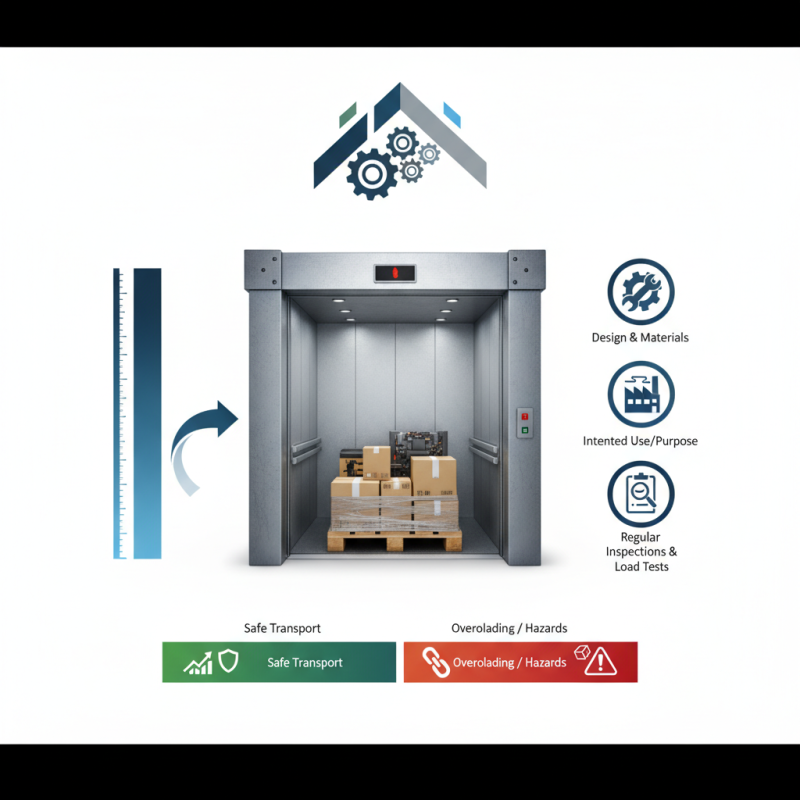
Freight elevators are crucial in many industries, facilitating the movement of heavy goods. Their weight capacity significantly impacts operational efficiency. Understanding this capacity enables businesses to maximize productivity while ensuring safety. Industry reports indicate that freight elevators typically range from 2,000 to 20,000 pounds in capacity, depending on design and application.
When selecting a freight elevator, consider load types and frequency of use. Heavy, bulky items might require a higher capacity than standard goods. The configuration of items also matters. Irregular shapes may lead to uneven weight distribution, increasing the risk of failure. Ensure the elevator's specifications match your needs to avoid costly incidents.
Tips:
When determining the weight capacity of freight elevators, several key factors come into play. The design and engineering of the elevator are crucial. Elevators must meet specific codes and standards, which influence their maximum load. The materials used in construction also play a significant role. For instance, steel offers strength, while lighter materials may compromise durability.
Additionally, the intended use affects weight capacity. Elevators designed for heavy machinery will differ from those meant for general freight. Regular maintenance is essential. An elevator's condition can impact its load-bearing abilities. Wear and tear can reduce capacity over time, making it vital to assess them periodically.
Lastly, the size and dimensions of the elevator impact capacity. A spacious cabin may hold more but only if appropriately designed to distribute weight evenly. Observing these factors helps ensure the elevator operates safely and efficiently. However, unexpected challenges may arise, highlighting the need for continuous evaluation and adjustment. Frequent inspections can prevent costly accidents and improve reliability.
Calculating the maximum weight capacity for freight elevators is essential for safety and efficiency. Start by gathering specifications from the elevator manufacturer. Weight limits often depend on the size and type of the elevator. For instance, a standard freight elevator may typically carry between 2,000 to 5,000 pounds, but larger models can handle much more.
Next, consider the building’s structural integrity. The elevator shaft must support the elevator's weight, including the load it carries. Inspect the materials used in construction. Steel and reinforced concrete offer more support than other materials. Check local regulations as well; each region can have different requirements regarding weight limits for safety compliance.
It’s crucial to perform a detailed assessment of the freight to be transported. Account for variables like load distribution and potential shifting during transport. Recognize that mistakes in weight calculations can lead to accidents. Consult with engineering professionals if needed. Continuous education on weight management principles can significantly improve decision-making. These strategies help create a reliable guideline for determining maximum weight capacity.
This bar chart illustrates the maximum weight capacity of various freight elevator models. The data shows how different elevator specifications handle the load, providing insights for selecting the right elevator for heavy transportation needs.
Freight elevators play a crucial role in transporting goods within buildings. To ensure safety, it's vital to adhere to established standards and regulations. These guidelines help determine the maximum weight capacity of each elevator. Understanding safety standards is not just about compliance; it is a fundamental aspect of operational integrity.
The American Society of Mechanical Engineers (ASME) provides critical guidelines. These standards involve assessing the structural integrity of the elevator and its components. Load tests may be required to validate capacity claims. Additionally, factors such as the elevator's design, materials used, and intended use are also taken into account.
Operators often overlook the importance of regular maintenance. Routine inspections can reveal hidden issues. Failures often happen when owners neglect safety audits. Stakeholders must engage with qualified professionals. Establishing a culture of safety ensures that freight elevators remain reliable. Balancing capacity needs with safety compliance can be challenging. It's essential to be proactive and informed.
When assessing the maximum weight capacity for freight elevators, maintenance considerations play a crucial role. Regular inspections are essential to ensure that the elevator's mechanical systems function properly. According to the Elevator Industry Standards Organization, about 20% of elevator malfunctions stem from inadequate maintenance. Scheduled checks can prevent significant issues that may reduce weight capacity.
Using professional data, it has been observed that elevators generally lose 10-15% of their rated capacity due to wear and tear over time. This statistic underlines the importance of proactive maintenance. Lubrication, component replacements, and load testing can enhance reliability. Operators should regularly review operational logs to identify patterns that lead to performance degradation. These records may reveal inconsistent weight handling capabilities.
Focusing on hydraulic and traction systems, unique maintenance requirements can vary. Hydraulics, for example, require regular fluid checks to prevent leaks and ensure optimal operation. Traction systems, on the other hand, demand cable inspections for wear and fraying. Skipping these checks can lead to unexpected breakdowns, which compromise both and efficiency. Ultimately, reflection on maintenance practices can lead to improved performance and safety in freight elevator operations.
: The design, engineering, materials, and intended use all influence weight capacity.
Regular maintenance prevents wear and tear, which can reduce load-bearing abilities over time.
Strong materials like steel enhance durability, while lighter materials may compromise it.
Safety standards ensure the elevators operate safely and have verified weight capacities.
Yes, a spacious cabin can hold more, but proper weight distribution is crucial.
Neglecting audits can lead to failures and safety hazards, putting users at risk.
Freight elevators are essential for transporting heavy loads within buildings, and understanding their maximum weight capacity is crucial for safe and efficient operation. The maximum weight capacity for a freight elevator is influenced by several factors, including the design of the elevator, the materials used, and the specific operational environment. In this article, we will outline key aspects that determine this capacity, including safety standards and regulations that govern freight elevator operations.
To calculate the maximum weight capacity accurately, one must follow a step-by-step guide that considers the elevator’s specifications and the intended loads. Additionally, regular maintenance is vital for ensuring that the elevator consistently operates at its optimal weight capacity. By addressing these elements, building managers can effectively manage freight elevator performance and ensure compliance with safety regulations.
DHI Lift