How to Effectively Clean and Maintain Stainless Steel Elevator Doors?

Time:2026-06-01 Author:Henry
0%

When discussing the maintenance of stainless steel elevator doors, industry expert James Caldwell emphasizes the importance of regular upkeep. He states, "A polished exterior not only enhances aesthetics but also prolongs equipment life." This highlights the dual benefits of cleaning: appearance and longevity.

Stainless steel elevator doors are often the first point of contact for building visitors. Keeping them clean is essential. However, many struggle with how to clean and maintain stainless steel elevator doors effectively. Inconsistent cleaning methods can lead to streaks or damage, reflecting poorly on building management.

Using the right cleaning products and techniques is crucial. It’s easy to underestimate the impact of daily neglect. Inadequate maintenance can lead to costly repairs over time. Therefore, understanding the best practices in cleaning and maintenance is vital for every building owner and manager.
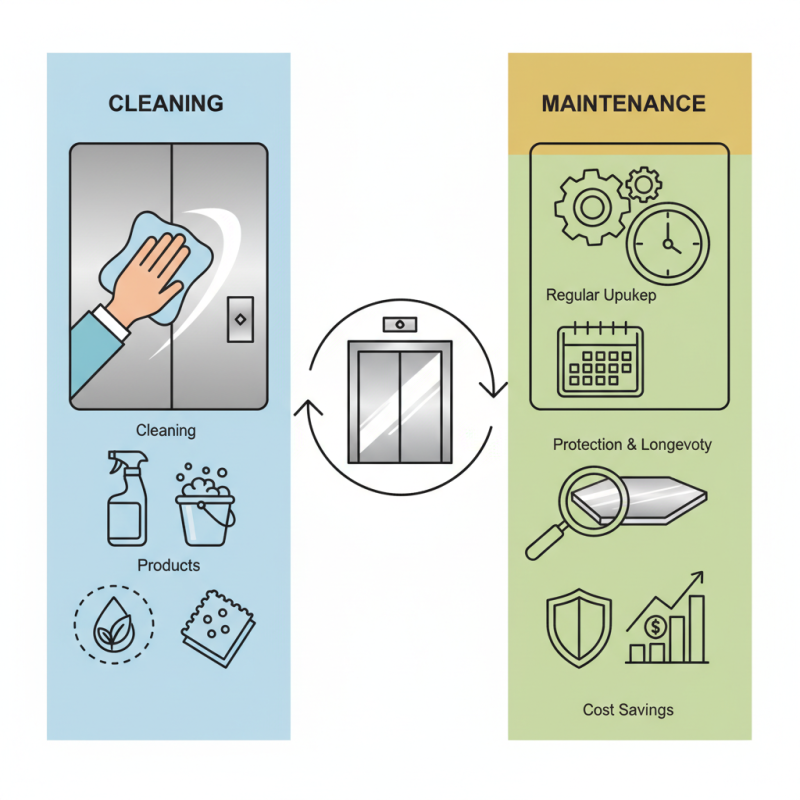
How to Effectively Clean and Maintain Stainless Steel Elevator Doors?

Understanding the Composition of Stainless Steel Elevator Doors

Understanding the composition of stainless steel elevator doors is essential for proper maintenance. These doors are primarily made from iron, chromium, and nickel. Chromium creates a protective layer, preventing corrosion. Nickel enhances durability and gives a polished appearance. Research indicates that stainless steel can resist rust for years in indoor environments, lasting up to 20 years without significant degradation.

To maintain their aesthetic quality, regular cleaning is required. Using a mild detergent and soft cloth can effectively remove dirt without scratching the surface. For stubborn stains, a mixture of vinegar and water acts as a gentle abrasive. It’s crucial to avoid harsh chemicals that can damage the protective chromium layer.

Tips: When cleaning, always wipe in the direction of the grain to prevent scratches. Regular inspections can help identify early signs of wear. If you notice discoloration, it may signal that the protective layer is compromised. In such cases, more thorough restoration may be needed. A well-maintained elevator door reflects the building’s overall quality, but neglect may lead to costly repairs.

Common Types of Stains and Damage on Stainless Steel Surfaces

Stainless steel elevator doors are both functional and aesthetically pleasing. However, they are prone to various stains and damages. Common issues include fingerprints, water spots, and scratches. A study by the American Institute for Stainless Steel found that nearly 80% of stainless steel surfaces show signs of wear within five years.

Fingerprints are a significant aesthetic concern. They can create an unprofessional appearance. Regular cleaning helps mitigate this issue. Using a microfiber cloth can effectively remove these marks without scratching the surface. Water spots can occur due to mineral deposits in hard water. They appear as unsightly stains that require specific cleaning solutions to remove effectively.

Scratches on stainless steel can lead to corrosion over time. While there are methods to buff out minor scratches, deeper ones may require professional repair. According to a report by the Stainless Steel Fabricators Association, 60% of building maintenance staff report difficulties in managing these issues. Awareness of proper cleaning methods can alleviate some of these concerns. Regular maintenance is crucial to preserving the integrity of stainless steel surfaces. It helps prevent minor issues from becoming significant problems.

Essential Tools and Supplies for Cleaning Stainless Steel Doors

Cleaning stainless steel elevator doors requires the right tools and supplies. According to research, using improper cleaners can damage the surface. For effective maintenance, consider using microfiber cloths, a non-abrasive cleaner, and a gentle polishing compound. Microfiber is effective because it traps dirt and dust without scratching.

The Environmental Protection Agency (EPA) recommends using pH-neutral cleaners for stainless steel surfaces. These are less likely to leave residues that can attract more dirt. It’s essential to avoid any chlorine-based products. They can lead to corrosion over time. Implementing a routine cleaning schedule can significantly improve the longevity of your elevator doors.

Regular upkeep is crucial but can sometimes be overlooked. For instance, minor scratches and fingerprints can accumulate. Addressing these issues immediately helps maintain aesthetics. Leaving them unattended could lead to more significant problems down the line. Understanding how to use the right tools makes a difference in maintaining the doors effectively. Investing time in learning proper techniques can yield long-term benefits.

Step-by-Step Cleaning Process for Stainless Steel Elevator Doors

Cleaning stainless steel elevator doors requires a systematic approach to achieve optimal results. According to the International Cleaning Association, improper maintenance can lead to corrosion and aesthetic degradation over time. To maintain their shine and durability, a step-by-step cleaning process is essential.

Begin by gathering the necessary materials: a soft cloth, mild detergent, and a stainless steel cleaner. Use the cloth to remove loose dirt and grime. This initial step helps prevent scratching the door's surface. Prepare a mixture of water and mild detergent, and gently wipe the doors to remove fingerprints and smudges. Rinse the cloth frequently to avoid spreading dirt.

Once clean, apply a stainless steel cleaner in the direction of the grain to enhance shine. Industry studies indicate that regular polishing can significantly improve the door’s resistance to tarnishing. However, be cautious of over-polishing. This may inadvertently strip away protective coatings. Finally, schedule regular maintenance checks. Frequent observations can help identify early signs of wear. Neglecting these practices can lead to costly repairs later on.

Best Practices for Ongoing Maintenance and Care of Stainless Steel

When it comes to maintaining stainless steel elevator doors, a few best practices are essential. Regular cleaning helps prevent stains and fingerprints. Use a soft cloth or microfiber towel. Avoid abrasive materials that can scratch the surface. Mild soap mixed with water can effectively remove grime. For tougher spots, a solution of vinegar and water works well.

Routine maintenance is important for the longevity of the doors. Inspect regularly for scratches or marks. Addressing these issues immediately can prevent further damage. It’s worth noting that sometimes, no amount of cleaning will restore a heavily scratched surface. In such cases, professional polishing might be necessary. Always pay attention to the grain of the stainless steel while cleaning. Wiping against the grain can cause unwanted streaks.

Additionally, applying a protective polish occasionally can enhance shine. This layer acts as a barrier against dirt and smudges. Remember, the goal is to keep the appearance of the doors pristine. It isn’t simply about cleaning, but also about preserving their integrity. Regular checks and simple cleaning techniques can significantly impact maintenance efforts.

FAQS

: What materials are used in stainless steel elevator doors?

: Stainless steel elevator doors consist of iron, chromium, and nickel.

Why is chromium important for stainless steel?

Chromium creates a protective layer that prevents corrosion and enhances longevity.

How often should stainless steel elevator doors be cleaned?

Regular cleaning is essential to maintain their appearance and prevent stains.

What cleaning supplies are recommended for stainless steel doors?

Use microfiber cloths and pH-neutral cleaners to avoid damage to the surface.

Can harsh chemicals be used on stainless steel doors?

No, harsh chemicals can harm the protective chromium layer and cause corrosion.

What can be done about stubborn stains on elevator doors?

A mixture of vinegar and water can gently remove stubborn stains without scratching.

What should I check for during regular maintenance?

Inspect for scratches, discoloration, or wear to address issues before they worsen.

How can the grain of the stainless steel affect cleaning?

Wiping against the grain can create streaks, so always clean in the direction of the grain.

What happens if scratches are left unaddressed?

Leaving scratches can lead to significant problems and may require professional polishing.

Is regular maintenance enough to keep the doors pristine?

Regular cleaning and inspections are vital, but some surfaces may require professional care.

Conclusion

In exploring the topic of "How to clean and maintain stainless steel elevator doors?", it is essential to first understand the composition of stainless steel and the common types of stains and damage that can occur on these surfaces. Regular cleaning and maintenance are vital for preserving the aesthetic appeal and functionality of elevator doors. Essential tools and supplies, such as non-abrasive cleaners and microfiber cloths, play a crucial role in the cleaning process.

The step-by-step cleaning process involves gently removing dirt and fingerprints, followed by polishing the surface to maintain its shine. Furthermore, adopting best practices for ongoing maintenance, such as routine inspections and protective treatments, can significantly extend the lifespan of stainless steel elevator doors. By following these guidelines, facility managers can ensure their elevators remain in excellent condition, enhancing both safety and aesthetics.

Henry

Henry

Henry is a dedicated marketing professional with a profound expertise in the company's offerings. With years of experience in the industry, he possesses an impressive understanding of the market dynamics and consumer behaviors that drive success. Henry is committed to sharing his insights through......