Why Does My Elevator Make a Grinding Noise? Troubleshooting Tips

Time:2026-08-08 Author:Isabella
0%

Elevators are essential in modern buildings, but they can sometimes produce unsettling sounds. One common concern is, "Why is my elevator making a grinding noise?" According to John Smith, an elevator technician with over 15 years of experience, “A grinding noise often indicates that there is a problem with the components.” Ignoring these sounds can lead to bigger issues and safety risks.

When an elevator grinds, it may be due to worn-out gears or misalignment. People often overlook these signs, thinking they are just minor annoyances. However, this approach can lead to costly repairs and potential hazards. The grinding can also indicate friction, which may cause further damage if left unaddressed.

Understanding your elevator’s sounds is crucial. Regular maintenance can prevent such problems. Always listen closely to your elevator's noises. A sharp, persistent grinding should never be ignored. Pay attention to these warnings and consult a professional. Your safety and the elevator’s longevity depend on it.
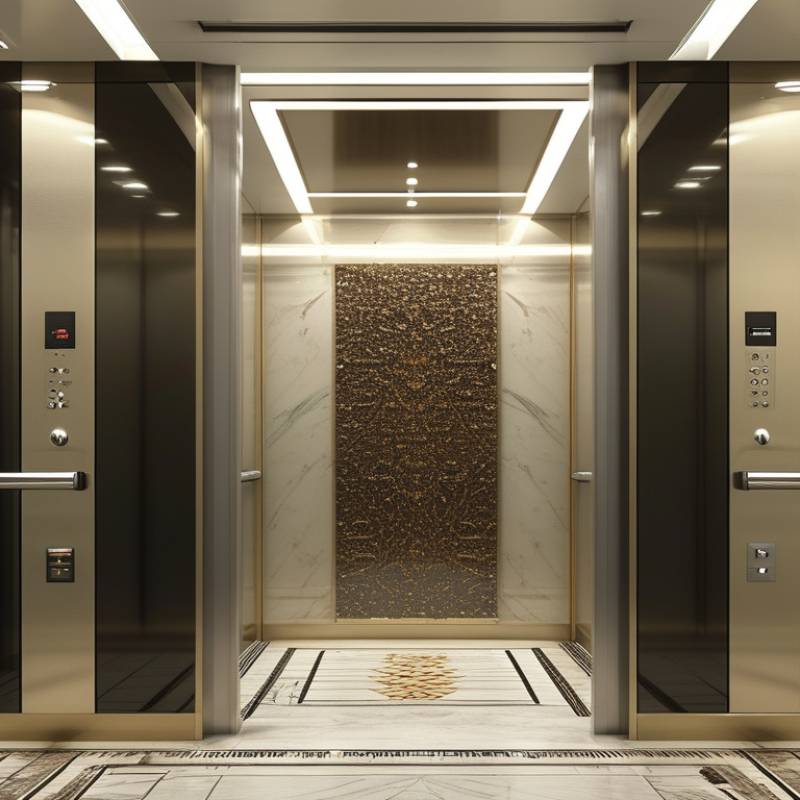
Why Does My Elevator Make a Grinding Noise? Troubleshooting Tips

Common Causes of Grinding Noises in Elevators

Elevators are complex machines. When they make grinding noises, it’s a cause for concern. Understanding common causes can help in troubleshooting.

One frequent reason for grinding noises is worn out bearings. According to the American Society of Mechanical Engineers (ASME), around 25% of elevator maintenance issues stem from this. Bearings support the elevator's motor and shaft, and when they wear down, the noise becomes more apparent. An operator should check the lubrication regularly to prevent excessive wear.

Another potential cause is misalignment in the elevator system. Research from the Elevator Escalator Safety Foundation (EESF) shows that misalignments can lead to abnormal sounds and even operational inefficiencies. It’s crucial to inspect guide rails and pulleys for any signs of misalignment. Ignoring these issues may lead to costly repairs in the future. Furthermore, listening to the noise type can provide insights. A grinding sound often indicates serious mechanical friction, which can escalate if not addressed promptly.

Identifying Specific Symptoms of Elevator Grinding Sounds

Elevator grinding noises can signal various underlying issues. It's essential to identify the specific symptoms before troubleshooting further. Common scenarios include persistent rubbing sounds during operation or unusual vibrations when the elevator starts or stops. According to the American Society of Mechanical Engineers (ASME), improper alignment of the elevator's pulleys or rails often results in these grinding noises.

Another cause can be lack of lubrication in the system. As per a report by the National Elevator Industry, about 30% of elevator maintenance issues arise from neglected lubrication. The grinding sound might be more pronounced during peak usage times when loads are higher. Observing the noise patterns can help diagnose the problem. If the noise increases with load, it may suggest worn bearings or misaligned components.

Regular inspections are crucial, yet often overlooked. Many building managers fail to implement consistent maintenance schedules, leading to issues like grinding noises. This not only affects passenger comfort but can also lead to costly repairs. Keeping a log of any unusual sounds will aid technicians during routine checks, reinforcing a proactive approach to elevator maintenance.

Elevator Grinding Noise Frequency Analysis

This bar chart illustrates the noise levels associated with different frequency ranges of elevator grinding sounds, providing insights into potential troubleshooting areas for maintenance personnel.

Step-by-Step Troubleshooting for Elevator Grinding Issues

Grinding noises from elevators can indicate underlying issues that require immediate attention. Regular inspections are crucial. The American Elevator Manufacturers Association (AEMA) reports that over 20% of elevator malfunctions arise from mechanical wear and improper maintenance. Addressing the source of noise promptly can help prevent further damage and costly repairs.

Start with a visual inspection of the elevator shaft. Look for misalignment or dirt accumulation on the tracks. Ensure that the door mechanisms operate smoothly. A jammed door can cause unusual noises. If everything appears normal, consider the belt and pulleys. Worn belts contribute to grinding sounds and may need replacement.

Tips: Clean the tracks regularly to avoid debris buildup. Listen carefully when the elevator starts or stops. This can help identify specific issues early. If the grinding continues after these checks, consult a professional. They use specialized tools to diagnose the problem accurately. Rely on certified technicians for safe and effective solutions. Remember, timely maintenance can extend the overall lifespan of your elevator system.

Why Does My Elevator Make a Grinding Noise? Troubleshooting Tips

Issue Possible Causes Troubleshooting Steps Recommended Action
Grinding Noise Worn out bearings, Misaligned parts Inspect bearings and alignment Replace bearings or realign parts
Unusual Vibrations Loose components, Unbalanced load Check for loose screws and load distribution Tighten screws and redistribute load
Intermittent Grinding Electrical issues, Motor problems Test electrical connections and motor function Repair or replace electrical components
Consistent Grinding Gearbox failure, Lubrication issues Check gearbox and lubrication levels Service gearbox and apply lubricant
Grinding While Starting Starting mechanism problems, Mechanical wear Inspect starting mechanisms and wear levels Repair or replace starting mechanism

When to Call a Professional for Elevator Repairs

Grinding noises from an elevator can indicate underlying issues. Recognizing when to call a professional for repairs is crucial for safety. If you hear persistent grinding, stop using the elevator immediately. This sound could stem from various sources, including worn components or misalignment.

Regular maintenance is vital. Check the elevator's control panel and listen for any unusual sounds. If the grinding continues, it's time to consult a technician. They can provide a thorough inspection and identify problems missed by inexperienced eyes. Ignoring these noises can lead to further damage.

Tips: Keep a record of any unusual sounds or behaviors. This information can help technicians diagnose issues faster. Additionally, ensure that your elevator undergoes routine inspections. These check-ups can prevent major failures and enhance performance. Remember, proactive maintenance can save time and money.

Preventive Maintenance Tips for a Quieter Elevator

Regular maintenance is crucial for keeping elevators running smoothly. A well-maintained elevator not only reduces the likelihood of grinding noises but also prolongs its lifespan. According to the National Elevator Industry, Inc., proper maintenance can reduce equipment failure rates by up to 40%. This statistic emphasizes the importance of routine checks and care.

Inspecting the pulley system is essential. Over time, wear and tear can occur, leading to increased friction. This friction is often the source of grinding sounds. Lubrication of moving parts should be done every six months to prevent this issue. Additionally, checking the alignment of cables and pulleys can avert serious mechanical problems. Regular inspections are often missed, which can result in unexpected noise and costly repairs.

Another critical aspect is the cleanliness of the elevator shaft. Dust accumulation can lead to operational problems. Regular cleaning can help maintain efficiency and reduce noise levels. According to industry reports, elevators that receive regular maintenance encounter fewer disruptions. Taking a proactive approach helps ensure a quieter and safer ride. The challenge lies in ensuring that maintenance protocols are followed consistently. Awareness and diligence can make a significant difference in overall elevator performance.

FAQS

: What are common causes of grinding noises in elevators?

: Worn bearings and misalignment are frequent causes. Regular lubrication checks can help prevent wear.

How can grinding noises indicate specific issues?

Persistent rubbing sounds or unusual vibrations during operation often signal problems needing attention.

Why is lack of lubrication a concern for elevators?

Neglected lubrication accounts for many maintenance issues. Grinding noises may worsen during peak usage times.

What should I inspect to troubleshoot grinding noises?

Start with visual checks of the elevator shaft, tracks, and door mechanisms. Look for dirt or misalignment.

Why is regular inspection important for elevators?

Many managers overlook maintenance, leading to grinding noises and costly repairs. Regular logs can help track issues.

What can I do if grinding noises persist?

Clean tracks and listen closely. If noises continue, consult a professional technician for accurate diagnosis.

How does mechanical wear affect elevator noise?

Over time, wear can lead to increased noise levels. Addressing these issues promptly can save on repairs.

What role do belts and pulleys play in grinding sounds?

Worn belts may contribute to grinding noises. Replacing or adjusting them can often mitigate the problem.

How can operation patterns help in diagnosing elevator issues?

Observing noise patterns during operation can hint at whether bearings or components are worn or misaligned.

What are the consequences of ignoring grinding noises?

Ignoring these sounds can escalate mechanical issues, leading to more severe problems and higher repair costs.

Conclusion

If you're asking yourself, "Why is my elevator making a grinding noise?", it's crucial to understand the common causes behind these unsettling sounds. Often, grinding noises can stem from issues like worn gears, misaligned components, or insufficient lubrication. Identifying specific symptoms can help pinpoint the problem, whether it's a consistent noise during operation or an irregular sound while stopping.

To address these issues, a step-by-step troubleshooting approach is recommended. Begin by inspecting the elevator for any visible wear, then check the lubrication of moving parts. However, if the grinding noise persists, it may be time to call a professional for repairs. Regular preventive maintenance is also essential to ensure your elevator operates quietly and efficiently, helping you avoid potential headaches in the future.

Isabella

Isabella

Isabella is a dedicated marketing professional with a sharp focus on driving brand growth and engagement through strategic content creation. With an extensive background in digital marketing, she combines her passion for storytelling with her keen understanding of industry trends to deliver......