2026 How to Ensure Legal Compliance for Wheelchair Accessible Elevators?

Time:2026-06-04 Author:Amelia
0%

Ensuring legal compliance for wheelchair-accessible elevators is crucial for public safety and accessibility. Experts in the field stress the importance of understanding regulations. “The legal requirements for wheelchair-accessible elevators focus on safety, functionality, and accessibility,” says Dr. Emily Carter, a leading advocate for disability rights.

Understanding "What are the legal requirements for wheelchair-accessible elevators?" involves examining both local and federal laws. These regulations ensure that elevators meet specific design and operational standards. Compliance helps to avoid costly fines and potential legal issues.

Navigating this complex landscape can be challenging. Many businesses may overlook critical details. Regular training and consultation with experts can aid in achieving compliance. It is vital to stay updated on evolving legislation. Remember, maintaining accessibility in public spaces reflects our commitment to inclusivity and safety for all.
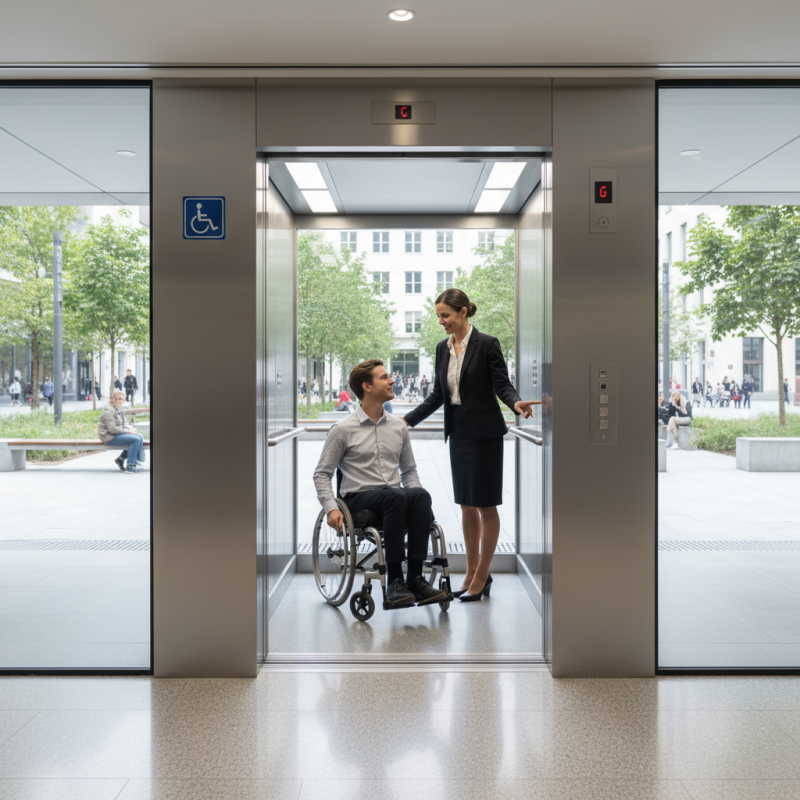
2026 How to Ensure Legal Compliance for Wheelchair Accessible Elevators?

Understanding Legal Standards for Wheelchair Accessible Elevators

When designing wheelchair accessible elevators, understanding legal standards is crucial. In the U.S., the Americans with Disabilities Act (ADA) sets forth requirements. For example, elevators must have a minimum width of 51 inches. This ensures that most wheelchairs can enter and operate freely. Compliance with these standards not only promotes inclusivity but also avoids potential legal repercussions.

Another important standard comes from the ASME A17.1. This regulation focuses on elevator safety and accessibility. According to recent industry statistics, about 1 in 5 people require accommodations due to mobility issues. This growing demographic underscores the importance of adhering to accessibility laws to accommodate all users. Elevators should also feature tactile buttons and visual indicators. These elements help people with various disabilities navigate the space.

Tips for developers: Always consult with an accessibility specialist during the design process. This ensures that all legal requirements are met. Regular maintenance checks are also vital. Faulty equipment can lead to non-compliance, impacting user safety. Review your designs regularly against updated legal guidelines. Legal landscapes can change, and staying informed is essential for compliance.

Key Regulations and Guidelines Governing Elevator Accessibility

Elevator accessibility is vital for people with disabilities. In the United States, the Americans with Disabilities Act (ADA) sets forth strict regulations governing wheelchair accessible elevators. According to the U.S. Access Board, elevators must be designed to accommodate individuals who use wheelchairs, ensuring convenience and safety. Compliance with ADA standards is essential to create an inclusive environment.

It’s important to consider the design and specifications outlined in the ADA guidelines. Elevators must have a minimum width of 54 inches, allowing enough room for wheelchairs. The control buttons should be within reach, no higher than 54 inches off the ground. Failure to meet these guidelines can lead to legal penalties and barriers for users.

**Tip:** Regularly review compliance with accessibility standards. Conduct audits to ensure elevators are functioning properly and meeting legal requirements.

Many states have their own regulations that may include additional requirements for elevator accessibility. Local building codes could mandate features like audible and visual signals for users. Keeping abreast of these regulations is crucial for operators and contractors.

**Tip:** Partner with experts in elevator safety to stay updated on changes in legislation. Regular training can help staff understand the importance of accessibility.

Accessibility in elevators must be a shared responsibility. It requires ongoing attention and commitment to uphold these important standards.

Best Practices for Designing Compliant Wheelchair Accessible Elevators

Designing wheelchair accessible elevators requires careful attention to detail and adherence to regulations. Ensuring these elevators meet compliance standards is crucial. Start by understanding local codes and regulations that govern accessibility. These rules can vary significantly by region. Consulting with professionals experienced in elevator design is essential. They can provide insights into creating functional and compliant spaces.

Tips for effective design include choosing the right dimensions. Elevators should accommodate various wheelchair sizes. Cabins must be spacious enough for a user and an assistant. Also, consider door widths and opening speeds. Slow doors can cause frustration and hinder access. Prioritize user experience in every aspect of the design.

Testing is a critical phase often overlooked. Engage real users in the testing process. Gather feedback to identify areas for improvement. Sometimes, even minor adjustments can significantly enhance usability. Ensure that all components, including buttons and controls, are intuitive and reachable for all users. Ongoing maintenance checks are necessary. Elevators require regular updates to meet evolving standards.

2026 Legal Compliance for Wheelchair Accessible Elevators

This chart presents the best practices for designing compliant wheelchair accessible elevators, focusing on key dimensions and their adherence to legal standards.

Steps to Conduct a Legal Compliance Audit for Elevators

Conducting a legal compliance audit for wheelchair accessible elevators is essential for any facility. Compliance ensures safety and accessibility for all users, particularly those with disabilities. In the U.S., about 61 million adults live with a disability. Ensuring elevators meet legal standards is critical.

Begin by reviewing local and national regulations. Check the Americans with Disabilities Act (ADA) guidelines. Assess elevator dimensions, door widths, and control panel heights. These specifications are crucial for user accessibility. Use a checklist to evaluate compliance. This helps pinpoint areas needing improvement.

Tips: Involve wheelchair users in the audit process. Their insights are invaluable. Additionally, document all findings meticulously. This not only helps track changes but serves as evidence of compliance efforts. Regular audits can highlight recurring issues that may need addressing.

Assessing the elevator's operational features is also necessary. Test functionalities like call buttons and emergency systems. Compliance is not just about meeting specs; it's also about operational effectiveness. An elevator that functions poorly can invalidate compliance despite meeting physical standards. Regular maintenance checks are vital in this regard.

Resources for Ongoing Compliance Education and Training

Ensuring legal compliance for wheelchair accessible elevators is crucial. Many facilities lack proper education on the latest regulations. Resources are available to provide ongoing compliance training.

Workshops can be an excellent way to stay updated. Local governing bodies often host events. These workshops cover recent changes to accessibility laws. They are interactive, allowing questions and answers. Engaging with experts helps clarify complex legal jargon.

Online training platforms offer flexibility. They often include courses on compliance topics. These courses can be completed at one’s own pace. Regularly revisiting training materials is essential. It ensures that the staff remains knowledgeable. Compliance is a continuous commitment. Periodic assessments can reveal knowledge gaps. Striving for improvement is a valuable practice.

FAQS

: What is the minimum width required for wheelchair accessible elevators?

: Elevators must have a minimum width of 51 inches to accommodate most wheelchairs.

Why is the Americans with Disabilities Act (ADA) important?

The ADA sets regulations that promote inclusivity and ensure legal compliance for elevator accessibility.

How high should control buttons be for accessibility?

Control buttons should be no higher than 54 inches off the ground for easy access.

What elements enhance accessibility in elevators?

Tactile buttons and visual indicators help users with varied disabilities navigate elevators safely.

Why is regular maintenance of elevators crucial?

Faulty equipment can lead to non-compliance and impact user safety significantly.

How can developers ensure compliance with accessibility standards?

Developers should consult accessibility specialists and regularly review designs against updated guidelines.

What can happen if elevator standards are not met?

Failing to meet guidelines can lead to legal penalties and create barriers for users.

How can operators stay informed about legal changes?

Partnering with elevator safety experts and conducting regular training helps keep operators updated.

Why is accessibility a shared responsibility?

Ensuring elevator accessibility requires ongoing commitment from designers, operators, and the community.

What should be included in regular audits for elevators?

Audits should check that elevators function properly and meet all legal accessibility requirements.

Conclusion

The article "2026 How to Ensure Legal Compliance for Wheelchair Accessible Elevators" provides a comprehensive overview of the essential legal standards and guidelines for ensuring that elevators are accessible to individuals with disabilities. It addresses key regulations that govern elevator accessibility, helping stakeholders understand what are the legal requirements for wheelchair-accessible elevators. The article emphasizes best practices in the design of compliant elevators and outlines a systematic approach to conducting legal compliance audits.

Furthermore, it highlights the importance of continuous education and training for professionals involved in elevator construction and maintenance, ensuring that they stay informed about evolving regulations. By following these guidelines and practices, organizations can create an inclusive environment that meets legal obligations while effectively serving individuals with mobility challenges.

Amelia

Amelia

Amelia is a seasoned marketing professional with a wealth of expertise in our company’s core offerings. With an unwavering passion for driving growth and innovation, she plays a pivotal role in shaping our marketing strategies and enhancing brand visibility. A key aspect of her responsibilities......