Elevators are essential in modern buildings, but stuck doors can cause frustration. In the United States, around 10% of all elevator calls are for stuck doors. Learning how to troubleshoot a stuck elevator door is crucial for building managers and tenants alike.
Having the right information can save time and ensure safety. Various factors contribute to this issue, from mechanical malfunctions to sensor problems. Building owners must understand these points clearly to avoid disruptions. Knowing how to troubleshoot a stuck elevator door could prevent unnecessary service calls and expenses.
However, troubleshooting is not always straightforward. There are many nuances and potential pitfalls. Sometimes, simple fixes might require professional help. Misdiagnosing a problem can lead to safety hazards. Being aware of these realities is essential for effective maintenance.
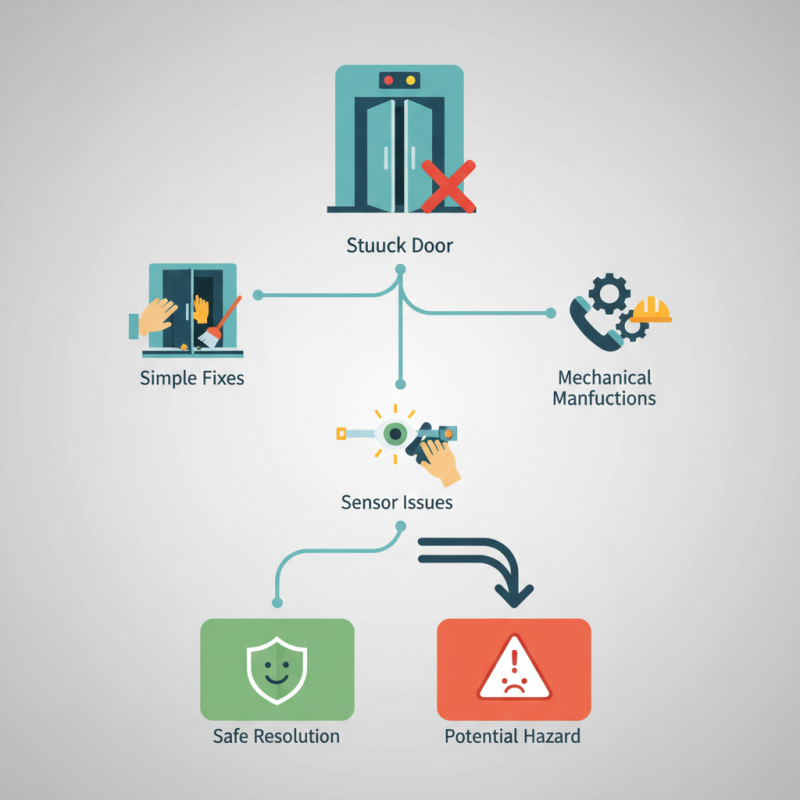
Elevator doors can become stuck for several reasons. One common cause is debris accumulation in the door tracks. Dirt, dust, and small objects can block the smooth operation. Regular cleaning can help prevent this issue. It's important to check for visible debris if the doors jam unexpectedly.
Another frequent issue is misalignment of the door sensors. These sensors must detect the presence of an object in the doorway. If they are misaligned, the elevator door may not close properly. Periodic maintenance checks are vital to ensure that these components function correctly. You might find that the sensors require repositioning or cleaning after some use.
Mechanical wear can also lead to stuck doors. Over time, springs and pulleys can wear down. This wear can cause the doors to operate slowly or get stuck. It's worth considering a professional inspection if the problem persists. Ignoring these signs may lead to more significant issues later. Understanding these causes can help you address stuck elevator doors effectively.
When dealing with a stuck elevator door, safety must come first. According to the National Elevator Industry, around 30% of accidents are caused by untrained individuals attempting repairs. Always disconnect power before starting any fix to avoid electric shocks. Ensure that you have a sturdy toolset and that all tools are well-maintained. Basic protective gear, including gloves and safety goggles, can protect you from potential hazards like sharp edges or falling debris.
Check the manual for emergency procedures specific to the elevator type. This guidance is essential. Familiarize yourself with the components of the door system. The American Society of Mechanical Engineers recommends that only qualified professionals address complex issues. However, minor obstructions may be managed safely with some basic knowledge and care. Being observant can reveal small issues, such as debris or misalignments. These factors often lead to bigger problems if overlooked.
In an attempt to fix the door, monitor your environment closely. Over 50% of elevator-related incidents stem from human error or negligence. Taking shortcuts or ignoring safety measures can lead to accidents. Just because a problem seems minor doesn’t mean it is safe to address it lightly. Always prioritize safety over speed. This mindset can drastically reduce risks and lead to a safer environment for all users.
Fixing a stuck elevator door requires specific tools and supplies. Proper knowledge will make this task smoother. A typical toolkit should include a flathead screwdriver, a Phillips screwdriver, and a pair of pliers. According to a survey by the National Elevator Industry, 60% of service calls are related to door issues. Having the right supplies can prevent unnecessary delays.
In addition to basic tools, safety equipment is crucial. A hard hat, safety glasses, and gloves should always be on hand. You never know when a loose part may fall. Many elevators are equipped with safety sensors, which can malfunction. This results in stuck doors more often than expected. The Elevator Escalator Safety Foundation reports that 25% of elevator incidents involve door malfunctions. Therefore, understanding how to troubleshoot these problems becomes essential.
Don’t forget to check for debris or mechanical failures. Sometimes, simple cleaning can resolve the issue. Elevators often jam due to dirt accumulation. A thorough inspection of the elevator tracks should be conducted regularly. Staying aware of these potential issues can help property managers mitigate elevator downtime effectively.
Stuck elevator doors can be frustrating. Identifying the problem quickly can save time and reduce inconvenience. Start by checking if the elevator is receiving power. If the lights inside are off, it may indicate an electrical issue. Ensure that the elevator has been called to your floor and is not stopped at another level.
Check for any obstructions. Sometimes, items like bags or trash can block the door sensors. If you see anything lodged in the door, remove it carefully. If the sensors are dirty, clean them with a gentle cloth. Regular maintenance can prevent these issues from arising frequently.
Tips for smooth operation include making sure the elevator's path is clear before it arrives. Encourage others to avoid pushing on the doors. This can lead to sensor malfunctions. Additionally, report any issues to your maintenance team promptly.
Always remember that elevators can be sensitive systems. Even small changes in their environment may affect performance. Airflow or humidity levels should be monitored. Regular checks can eliminate surprises. Stay informed and keep communication open with elevator professionals.
Elevator door issues can be frustrating. Knowing when to call a professional is crucial. If your door is stuck and won't open, a simple reset might help. However, if it continues to jam frequently, it’s time to seek expert help. Ignoring recurring issues can lead to more significant problems down the line.
Do not hesitate to contact professionals if you notice strange noises or delays. These may be signs of a malfunction. Trained technicians have the expertise to diagnose and fix complex issues safely. They use specialized tools that regular users do not have access to. Also, they ensure compliance with safety regulations.
Sometimes, issues may seem minor, but they can indicate serious underlying problems. It’s important to address matters promptly to avoid injuries or further elevator damage. Evaluating the situation honestly can save time and money later. Trusting your instincts about the state of your elevator system is essential.
| Issue | Possible Causes | DIY Solutions | When to Call a Professional |
|---|---|---|---|
| Door Won't Close | Obstruction in door path | Clear obstruction & test door | If the door still won't close |
| Door Opens Partially | Misalignment or mechanical failure | Check for misalignment | If realignment doesn't work |
| No Response from Control Panel | Electrical issue or dead battery | Check power supply | If power seems fine, but issue persists |
| Door Noise | Worn-out components | Lubricate hinges and tracks | If noise continues after lubrication |
| Door Gets Stuck | Sensor malfunction or debris | Clean sensors and door tracks | If stuck condition remains |
: Common causes include debris in door tracks and misaligned door sensors. Regular cleaning helps.
Performing routine maintenance and cleaning the door tracks can prevent many problems. Check for debris regularly.
A flathead screwdriver, Phillips screwdriver, and pliers are essential. Safety equipment like gloves is also important.
If the elevator lights are off, it may indicate an electrical problem. Check for power connection.
Clean the sensors gently with a soft cloth. Keeping them clean can avoid misalignment issues.
Keep the elevator's path clear and discourage people from pushing on the doors. Report faults promptly.
Yes, always wear safety gear. Parts may fall, and malfunctioning sensors can pose risks during repairs.
Check for debris, mechanical wear, and ensure door sensors are properly aligned and functioning.
Regular inspections are vital to identify potential issues early. Aim for a monthly check to prevent downtime.
Ignoring problems may lead to more significant malfunctions. Over time, this could cause prolonged elevator outages.
This article provides a comprehensive guide on how to troubleshoot a stuck elevator door. It begins by outlining the common causes of elevator doors getting stuck, such as mechanical failures or electrical issues. Before attempting any repairs, the article emphasizes the importance of basic safety precautions to protect yourself and others. It then lists the essential tools and supplies needed for fixing elevator doors, which ensures that you're well-prepared for the task at hand.
The main section offers a step-by-step guide to effectively troubleshoot elevator door issues, allowing individuals to address minor problems independently. However, the article also highlights scenarios where it is crucial to call a professional for repairs, safeguarding against potential hazards. Overall, this guide serves as a valuable resource for anyone seeking to understand how to troubleshoot a stuck elevator door effectively.

DHI Lift