What is the average lifespan of a residential elevator? For most modern home elevators, the practical answer is approximately 20 to 25 years. That estimate assumes proper installation, regular servicing, and normal household use. A lift traveling between two floors several times daily experiences far less stress than one serving multiple levels in a busy property.
David Cooper, managing director of LECS (UK) and an experienced lift consultant, emphasizes, “Regular maintenance is the key to extending an elevator’s service life.” His point matters because lifespan is not controlled by the motor alone. Door rollers, cables, hydraulic seals, control boards, safety sensors, and guide rails can all affect performance. A small scraping sound may signal alignment trouble. A slow door may indicate wear before a serious failure develops.
Usage conditions also change the calculation. Moisture, dust, power fluctuations, poor ventilation, and skipped inspections can shorten equipment life. In contrast, clean shafts, stable electricity, qualified technicians, and timely component replacement can keep an elevator reliable beyond its expected range. Some units remain functional for 30 years, but “functional” does not always mean modern, efficient, or comfortable.
There is no perfect number. That deserves attention.
This guide examines residential elevator lifespan through maintenance records, replacement costs, technology changes, and real operating conditions. It also considers an uncomfortable question: should an older elevator be repaired, or replaced? Age alone cannot decide. A 15-year-old lift with careful service may outperform a neglected eight-year-old system. The details tell the real story.
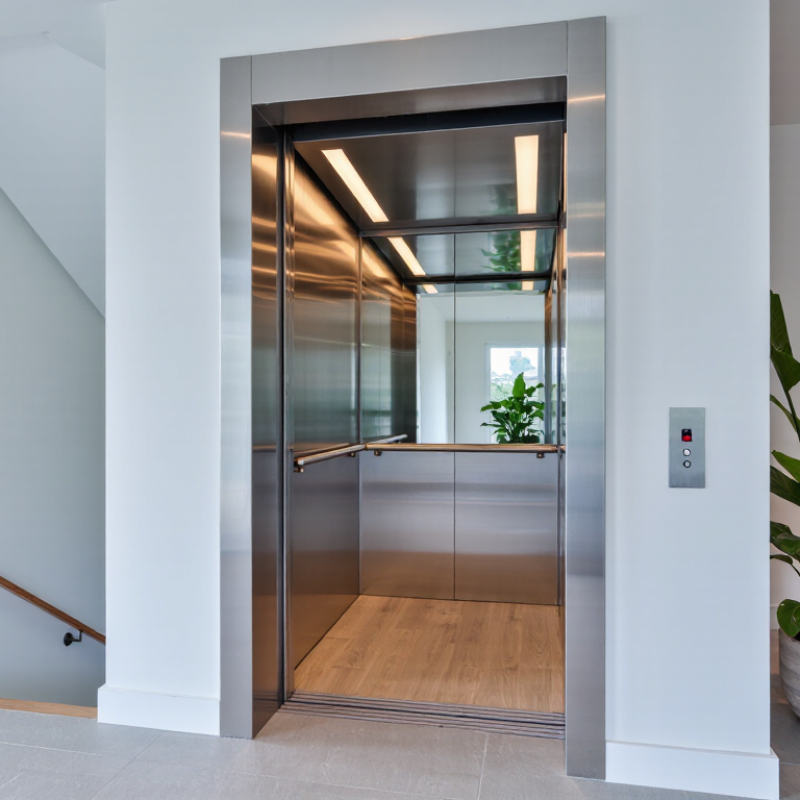
A residential elevator typically lasts 20 to 25 years when it receives regular inspections, servicing, and timely repairs. CIBSE Guide D, 2020, uses a similar service-life range for lift equipment in building planning. However, this figure describes expected equipment life, not a guaranteed expiration date.
Usage changes the result. A lift serving two people daily may age slowly. A busy household with several stops, pets, dust, and frequent door cycles creates more wear. Hydraulic systems may need seal or pump work earlier. Traction systems can develop issues with ropes, sheaves, brakes, or control components. ASME A17.1/CSA B44 establishes safety requirements, but it does not promise a fixed lifespan. That matters. A well-maintained 25-year-old elevator may perform better than a neglected 12-year-old unit. Real homes are messier than spreadsheets.
Tips: Keep a service log with dates, faults, and replaced parts. Ask a qualified technician to inspect door operation, emergency systems, guide components, and unusual vibration. Budget for modernization around the 15- to 20-year mark, especially if replacement parts become scarce. Do not replace equipment based on age alone. Condition matters more. Still, ignoring repeated faults can turn a manageable repair into a disruptive project.
| System or Component | Typical Service Life | Common Replacement or Upgrade Timing | Factors That Affect Lifespan |
|---|---|---|---|
| Complete residential elevator system | 20–25 years | Major modernization is often considered after 20 years; a well-maintained system may remain in service longer. | Usage frequency, maintenance quality, equipment type, operating environment, parts availability, and compliance requirements. |
| Traction drive and motor | 15–25 years | Inspection, adjustment, or refurbishment may be needed before full replacement. | Starting cycles, load levels, lubrication, alignment, heat, vibration, and electrical conditions. |
| Hydraulic pump and motor | 10–20 years | Seals, valves, or the pump assembly may require service during the system’s life. | Oil cleanliness, operating temperature, duty cycle, leaks, pressure settings, and maintenance intervals. |
| Hydraulic cylinder and buried components | 20–30 years or more | Condition-based repair or replacement; concealed corrosion and leakage can shorten service life. | Soil and groundwater conditions, corrosion protection, seal wear, installation quality, and oil leakage. |
| Control system and circuit boards | 10–20 years | Modernization may be practical when electronic parts become obsolete or difficult to source. | Heat, moisture, power fluctuations, software support, component availability, and electrical maintenance. |
| Door operator and door equipment | 10–20 years | Adjustment and replacement of rollers, belts, sensors, or operators may be required earlier in high-use homes. | Number of door cycles, alignment, dirt, impact, sensor condition, and routine adjustment. |
| Hoist ropes, belts, or suspension members | 10–20 years, condition-dependent | Replacement is based on inspection results, wear, corrosion, damage, and applicable safety rules. | Bending cycles, tension, sheave condition, moisture, loading, corrosion, and alignment. |
| Safety devices and limit switches | 15–25 years | Tested regularly and replaced immediately if damaged, unreliable, or non-compliant. | Mechanical wear, corrosion, contamination, electrical faults, and changes to safety regulations. |
| Emergency battery or backup power | 3–5 years | Battery testing and scheduled replacement are normally required well before the elevator itself. | Temperature, charge cycles, power interruptions, battery chemistry, and testing practices. |
| Cab interior, finishes, and fixtures | 10–20 years | Cosmetic refurbishment can be completed independently of mechanical modernization. | Moisture, cleaning products, abrasion, impact, sunlight, and frequency of use. |
Many residential elevators serve for about 20 to 30 years. Usage, humidity, dust, and maintenance can change that timeline. It is not a guarantee.
A motor and geared drive commonly last 15 to 25 years. Correct lubrication and alignment help protect them. Heat can shorten the life of electronic drive equipment.
Steel suspension ropes usually need close inspection after about 10 years. Replacement may become necessary around 10 to 15 years. Loading, travel cycles, and sheave wear matter.
Door operators commonly last about 10 to 15 years. Rollers, locks, and sensors may fail earlier. They move during every trip.
Emergency-lowering batteries usually last about 3 to 5 years. Hydraulic seals may last 8 to 15 years. Hydraulic pumps can approach 15 to 20 years with moderate use.
Arrange professional inspections at least annually, following local requirements. Busy households may need more frequent checks. Keep doors and landings free from toys, dust, and loose objects.
Scraping sounds, delayed starts, repeated door reopening, and unusual vibration need inspection. Uneven leveling can create a trip hazard. Check for moisture after heavy rain.
Repair is often reasonable when one part fails and the main structure remains sound. Replacement becomes more sensible with repeated breakdowns, obsolete parts, corrosion, or water damage. Age alone is not enough.
Request a written assessment from a qualified technician. Compare future repair risks, not only today’s invoice. Keep dated records and photographs of recurring faults. I might underestimate small problems, too.
What is the average lifespan of a residential elevator? In general, a well-installed and properly maintained home elevator can serve reliably for about 20 to 25 years, although its actual service life depends on usage, installation quality, operating conditions, and maintenance habits. Frequent use, moisture, dust, power fluctuations, and delayed repairs can accelerate wear, while regular inspections and timely adjustments help preserve performance and safety.
Major components do not all last equally long. The motor, controller, drive system, cables, seals, door operators, and safety devices may require service or replacement at different stages. Routine lubrication, cleaning, safety testing, alignment checks, and professional servicing can extend the elevator’s useful life. Unusual noises, uneven movement, slow doors, repeated faults, or rising repair costs may indicate that repairs are needed. When failures become frequent or essential components are outdated, replacing the elevator may be safer and more economical than continuing with major repairs.

 DHI Lift