In today’s smart buildings, integrating elevator controls with building management systems (BMS) is a crucial step. The question arises: How to integrate elevator controls with building management systems? This integration enhances operational efficiency and user experience. Modern elevators equipped with smart technology can communicate with BMS, optimizing energy usage.
However, the process is not without challenges. It requires expert knowledge in both elevator systems and BMS. A seamless integration demands careful planning and execution. Each building has unique requirements, making a one-size-fits-all approach ineffective. Collaboration among architects, engineers, and elevator manufacturers is essential to ensure compatibility.
Moreover, reliability is key. Poor integration can lead to delays and service issues, frustrating users. Ensuring security during integration is also vital, as vulnerabilities could be exploited. Despite these obstacles, the benefits of a well-integrated system are significant—enhancing user comfort and streamlining operations.
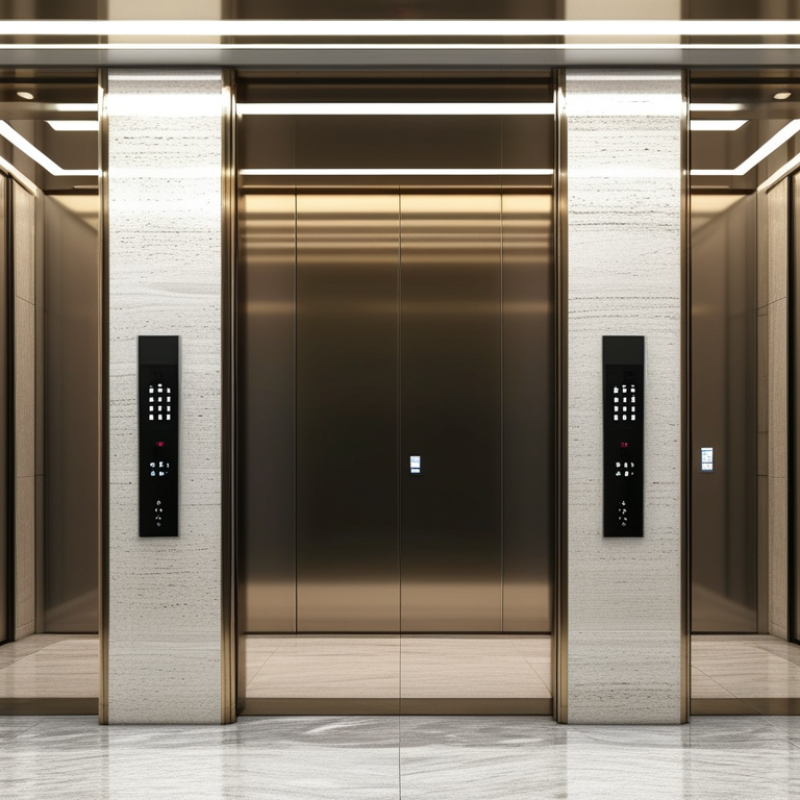
Understanding Elevator Controls and Building Management Systems
Elevator controls play a crucial role in the efficiency of modern buildings. These systems manage the flow of passengers through elevators. By integrating them with Building Management Systems (BMS), buildings can operate more smoothly. A well-coordinated approach improves energy efficiency and reduces wait times.
Understanding elevator controls involves knowing how they interact with other building systems. For instance, the scheduling of elevator services can be adjusted based on real-time usage data. Such integration means elevators can respond to building occupancy efficiently. However, this requires reliable data from various sources. Ensuring data accuracy remains a challenge.
Moreover, the design of both systems must complement each other. A lack of standardization can lead to integration issues. Poor communication between elevator controls and BMS might hinder functionality. Choosing the right protocols and interfaces is vital for a successful integration process. This can prove complicated, and sometimes results are not as expected.
Careful planning and testing are essential to address potential pitfalls in the integration journey.
The Importance of Integration in Modern Building Infrastructure
In modern building infrastructure, integrating elevator controls with building management systems (BMS) is crucial. Such integration enhances efficiency and user experience. A seamless system allows elevators to communicate with other building functions. This communication optimizes energy use and reduces waiting times for occupants.
Elevator systems can directly respond to changes in building occupancy. For instance, during peak hours, elevators can prioritize high-demand floors. This adaptive behavior improves service without unnecessary delays. However, challenges can arise from technical discrepancies among different systems. It's essential to ensure compatibility across multiple platforms to foster smooth interactions.
Tips: Regular maintenance checks can prevent potential integration issues. Involve experienced technicians in the planning phase. Their input can help navigate complex integration processes. Additionally, keep user feedback in mind. Understanding user experience can guide future improvements. Building integration is not always flawless; adjustments may be necessary as technology evolves.
Key Components of Elevator Control Systems
Integrating elevator controls with building management systems (BMS) is
vital for modern infrastructures. Key components of elevator control systems include
controllers, sensors,
and communication interfaces. Controllers manage the elevator's operations, ensuring smooth transit between floors.
Sensors detect the elevator's position, load, and even door status, informing the system of any anomalies.
Communication interfaces connect the elevator system with the BMS, allowing real-time monitoring and
adjustments for optimal performance.
According to a recent industry report,
35% of building managers cited integration challenges as a
primary concern. Achieving synergy between these systems is essential but can be complex.
It's crucial to use standardized protocols to facilitate seamless
interactions. Utilize cloud-based solutions to enhance
flexibility and scalability. Regular system audits can identify weaknesses in integration.
Tips: Regularly update software and firmware to maintain compatibility.
Conduct training sessions for staff to understand the integration thoroughly. Monitor energy consumption metrics
to optimize performance and reduce costs. Prioritize user feedback to refine system functionalities.
These actions can significantly improve operational efficiency and enhance user comfort.
Methods for Connecting Elevators to Building Management Systems
Integrating elevator controls with building management systems (BMS) can streamline operations significantly. Recent studies indicate that around 30% of energy usage in buildings comes from elevator systems. Connecting elevators to BMS allows real-time monitoring and energy management, which can reduce this consumption by up to 15%.
One effective method of integration is using a common communication protocol such as BACnet or LonWorks. These protocols enable the elevator systems to share data with the building management platform. They allow seamless interaction between elevators and other systems like HVAC or lighting. Engaging in this method enhances comfort and efficiency. However, the integration process can be complex and may require specialists to ensure accurate setup and maintenance.
Another approach is cloud-based integration, which offers flexibility and scalability. This method allows facilities managers to monitor elevator performance remotely. However, issues like cybersecurity threats can arise. While cloud solutions present major potential for improvements, they also necessitate robust security measures. Adopting these systems offers benefits, but the challenges underline the need for careful planning and execution.
Integrating Elevator Controls with Building Management Systems
| Integration Method |
Technology Used |
Benefits |
Considerations |
| Direct Interface |
Wired Protocol (e.g., RS-485) |
High reliability, low latency |
Limited flexibility, installation cost |
| Network Integration |
IP-based Communication (e.g., Ethernet) |
Scalable, supports remote access |
Network security, potential latency |
| Wireless Control |
Wi-Fi, Zigbee |
Ease of installation, flexibility |
Signal interference, reliability issues |
| Cloud-Based Solutions |
Cloud Computing Platforms |
Data analytics, remote monitoring |
Dependence on internet connectivity |
| API Integration |
RESTful APIs |
Dynamic interactions, real-time updates |
Development time, API maintenance |
Challenges and Solutions in Integration Process
Integrating elevator controls with building management systems (BMS) presents notable challenges that require careful consideration. One significant hurdle is the complexity of existing legacy systems. Many buildings still use outdated elevator control technologies that lack compatibility with modern BMS. For instance, a report by the International Energy Agency (IEA) indicates that around 40% of commercial buildings rely on systems over 20 years old. This aging infrastructure often leads to increased costs and inefficiencies.
Another challenge involves data management and security. As the integration of elevator systems collects vast amounts of data, ensuring this data is secured becomes crucial. Malicious attacks on building systems have increased by over 60% in recent years, according to Cybersecurity & Infrastructure Security Agency (CISA). This necessitates adopting robust cybersecurity measures during the integration process, which can complicate implementation timelines.
Moreover, the varying standards across different systems can create integration difficulties. Not all elevators communicate using standardized protocols, complicating the seamless connection to a BMS. This inconsistency can lead to operational inefficiencies. Industry professionals emphasize the importance of utilizing adaptable middleware solutions that can bridge these gaps, enhancing overall efficiency. Addressing these challenges requires expertise and targeted strategies to align technology with operational goals effectively.
Challenges and Solutions in Integrating Elevator Controls with Building Management Systems
FAQS
: Elevator controls manage passenger flow, improving building efficiency and reducing wait times.
By adjusting elevator services based on real-time occupancy data for better responsiveness.
Legacy elevator technologies often lack compatibility with modern building management systems.
Reliable data is crucial for effective scheduling and operational efficiency of elevators.
There is a growing risk of data breaches, requiring strong cybersecurity measures.
Lack of standardization may hinder functionality and create operational inefficiencies.
Careful planning, testing, and using adaptable middleware solutions can improve the process.
Older technologies can drive up expenses and reduce operational efficiency in buildings.
No, sometimes the outcomes are not as anticipated, highlighting the need for reflection.
Aligning technology with operational goals requires knowledgeable strategies to navigate challenges.
Conclusion
In the modern building infrastructure, understanding "How to integrate elevator controls with building management systems?" is crucial for enhancing operational efficiency and occupant comfort. This integration involves a comprehensive grasp of elevator control systems, which consist of various key components such as sensors, controllers, and communication interfaces. By connecting elevators to building management systems, facilities can achieve seamless operation, optimize maintenance schedules, and improve energy efficiency.
However, the integration process comes with its own set of challenges, including compatibility issues and potential disruptions during installation. Effective solutions involve thorough planning, utilizing standardized protocols, and ensuring adequate training for personnel. By addressing these challenges, building managers can successfully implement an integrated system that elevates the overall functionality and user experience within their facilities.

 DHI Lift