Why Use Mirrors in Passenger Elevators for Safety and Style?

Time:2026-05-31 Author:Sienna
0%

Elevator design is often overlooked, yet it plays a crucial role in safety and aesthetics. One intriguing aspect is the use of mirrors. Why are mirrors used inside passenger elevators? They serve various purposes, enhancing both functionality and style.

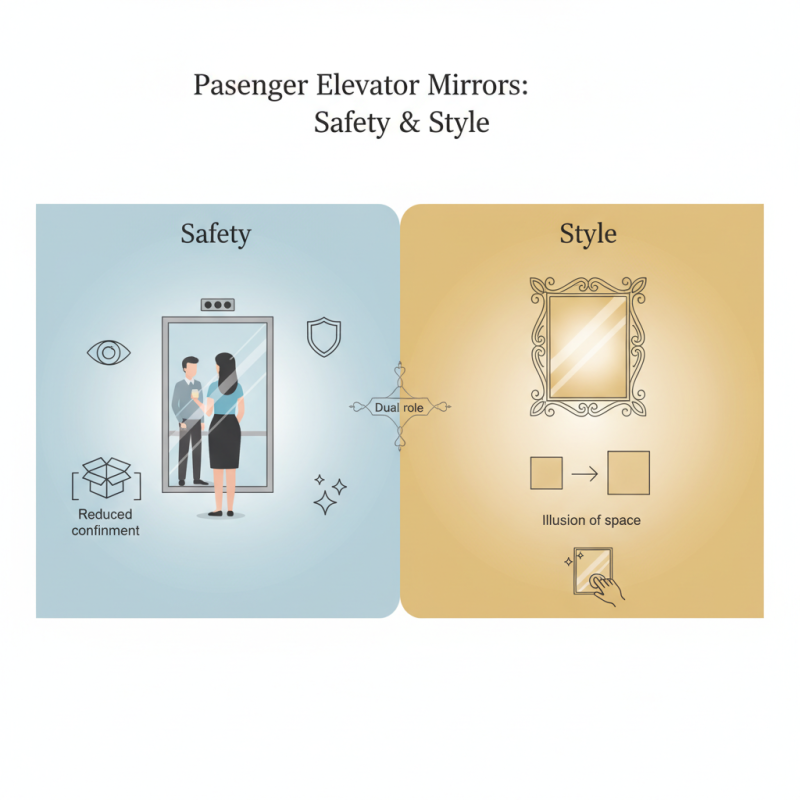
Mirrors improve visibility in tight spaces. They allow passengers to see behind them, creating a sense of security. For many, entering a confined area can feel intimidating. A well-placed mirror alleviates this unease, allowing riders to feel less isolated. However, one must consider potential drawbacks; excessive reflection can be disorienting for some individuals.

Style is another critical factor. Mirrors can transform a simple elevator into an elegant space. They reflect light and create an illusion of space. This can be especially beneficial in smaller elevators, where claustrophobia may be an issue. Yet, it’s essential to balance style with practicality. Mirrors require maintenance; smudges and fingerprints can detract from their appeal. By understanding the reasons behind mirror use, we can appreciate their dual role in enhancing both safety and aesthetics in passenger elevators.
Why Use Mirrors in Passenger Elevators for Safety and Style?

Benefits of Mirrors in Passenger Elevators for Safety Enhancement

Mirrors in passenger elevators serve more than just an aesthetic role; they significantly enhance safety. According to industry reports, mirrors can reduce accidents by improving visibility. They allow users to see behind them, decreasing the chances of collisions. This transparency can help alleviate anxiety, especially for those who find elevators claustrophobic.


Additionally, mirrors contribute to a well-lit environment. A study from the National Elevator Industry highlights that illuminated spaces feel safer. Proper lighting helps users perceive their surroundings clearly. This is particularly important in emergency situations where every second counts. The presence of mirrors also encourages vigilance, prompting passengers to be aware of their movements within the limited space.


However, installing mirrors isn't without challenges. Careful placement is crucial; improperly positioned mirrors can create disorienting reflections. This design concern demands thoughtful consideration from architects and engineers to ensure safety meets style. Hence, while mirrors enhance aesthetics and safety, their effectiveness hinges on thoughtful design and implementation.

Aesthetic Appeal: How Mirrors Transform Elevator Interiors

Mirrors are more than just reflective surfaces in passenger elevators. They create an atmosphere that is both inviting and elegant. By transforming mundane elevator interiors, mirrors add visual depth and a sense of space. This can be particularly advantageous in smaller elevators, making them feel less cramped and more welcoming.

When designing your elevator space, consider the placement of mirrors. A strategically positioned mirror can enhance natural light, illuminating the area and creating an illusion of greater size. Choose styles that complement your elevator's overall design. Sleek, modern mirrors may convey a minimalist style, while ornate options can evoke classic charm.

Tip: Make sure to clean mirrors regularly to maintain their aesthetic appeal. Dust and fingerprints can detract from their beauty. Additionally, be aware of safety concerns; mirrors shouldn't obstruct visibility. With mindful design and maintenance, mirrors can enhance both the safety and style of elevator interiors.

Mirrors as a Tool for Improving Passenger Awareness and Comfort

The use of mirrors in passenger elevators plays a significant role in improving passenger awareness. According to a report by the Elevator Safety Foundation, well-placed mirrors can reduce accidents by up to 30%. They allow passengers to see others in the elevator, fostering a sense of security. People tend to feel more comfortable when they can make eye contact with others, even in enclosed spaces.

Moreover, mirrors can enhance the perception of space inside the elevator. Elevators that are small can feel even tighter without reflective surfaces. Data from the International Elevator and Escalator Symposium suggests that reflective designs can increase perceived space by as much as 25%. This effect can reduce anxiety, especially for individuals who feel claustrophobic.

However, careful consideration is necessary regarding mirror placement. Mirrors should not obstruct buttons or emergency equipment. Failing to adhere to safety guidelines can create hazards. Ensuring mirrors are cleaned regularly is also vital for safety. A dirty mirror can detract from its functional benefits and impact the overall aesthetic. Balancing safety and style is crucial in modern elevator design.

Maintenance Considerations for Elevator Mirrors: Pros and Cons

Elevator mirrors enhance safety and style. They allow passengers to see behind them, which can prevent accidents. While mirrors promote a sense of openness, they are not without issues. Over time, mirrors can accumulate smudges and dust. This affects visibility and can create a perception of neglect.

Maintenance of elevator mirrors requires regular cleaning. Glass cleaners and microfiber cloths work well. However, frequent cleaning can strain maintenance budgets. Mirrors may also scratch easily, necessitating replacements. This adds to long-term costs. Additionally, maintenance crews must ensure safety while working in small elevator shafts.

Choosing mirrors involves weighing aesthetic appeal against upkeep. Some may favor modern designs, while others may prefer functional simplicity. It is essential to reflect on personal preferences versus practicality. Engaging in dialogue about safety, style, and maintenance can lead to more informed decisions regarding elevator mirror usage.

Choosing the Right Mirror Design for Different Elevator Styles

Mirrors in passenger elevators serve both practical and aesthetic purposes. Selecting the right mirror design can enhance the overall experience. When choosing mirrors, consider the elevator's style and the building's theme. A sleek modern elevator benefits from frameless mirrors, while a classic lift may look great with ornate frames.

For smaller elevators, use mirrors strategically to create the illusion of space. This technique can make the ride feel less claustrophobic. Opt for polished stainless steel for a contemporary look, as it reflects light beautifully and gives a clean appearance.

Think about the lighting as well. Soft LED lights can complement the mirror design and create a welcoming atmosphere. Dark or overly bright settings can disrupt the visual appeal. Keep in mind that safety is paramount—ensure mirrors are securely mounted to prevent accidents. Incorporate easy-to-clean surfaces to maintain a polished appearance over time.

Mirror Design Preferences in Passenger Elevators

FAQS

: How do mirrors enhance safety in elevators?

: Mirrors improve visibility, allowing users to see behind them and reduce collision risks.

Can mirrors help alleviate anxiety in elevators?

Yes, they provide transparency, making claustrophobic users feel more at ease.

What impact do mirrors have on lighting in elevators?

Mirrors create a well-lit space, helping users perceive their surroundings clearly.

How do mirrors promote passenger awareness?

They allow passengers to see others, which fosters a sense of security and comfort.

What is the effect of mirrors on the perception of space?

Mirrors can increase perceived space in small elevators by about 25%.

What are the challenges of installing mirrors in elevators?

Careful placement is essential; improper positioning can lead to disorientation.

How often should mirrors in elevators be cleaned?

Regular cleaning is vital for safety and maintaining aesthetic benefits.

What should be considered in mirror placement?

Mirrors must not obstruct buttons or emergency equipment to avoid hazards.

Can mirrors impact the overall aesthetic of an elevator?

Yes, they enhance aesthetics but must be designed thoughtfully for safety.

Is there a risk to safety if mirrors are poorly maintained?

Yes, dirty mirrors can diminish functional benefits and impact safety awareness.

Conclusion

Mirrors are a common feature in passenger elevators, and the question, "Why are mirrors used inside passenger elevators?" can be answered by examining their multifaceted benefits. Firstly, mirrors enhance safety by increasing visibility, allowing passengers to be more aware of their surroundings and reducing the likelihood of accidents. Additionally, they provide aesthetic appeal, transforming the often sterile environment of an elevator into a more inviting space. This visual enhancement can help reduce anxiety in passengers, making their ride more comfortable.

Moreover, the choice of mirror design can complement various elevator styles, contributing to the overall interior theme. However, maintenance is an essential consideration; while mirrors can elevate the design, they also require regular cleaning to maintain their luster and effectiveness. Balancing these aspects is crucial for ensuring that mirrors serve their purpose in enhancing both safety and style within passenger elevators.

Sienna

Sienna

Sienna is a skilled marketing professional with a deep expertise in our company’s core products and services. With a passion for innovation and detail, she plays a pivotal role in crafting insightful blog posts that not only highlight the unique features of our offerings but also provide valuable......