How Do Panoramic Elevators Perform in Extreme Weather Conditions?

Time:2026-05-22 Author:Amelia
0%

In recent years, panoramic elevators have gained popularity in high-rise buildings. These elevators not only provide a unique view but also promise efficiency in transportation. However, the question remains: How do panoramic elevators handle extreme weather conditions? Renowned elevator expert Dr. Emily Tran emphasizes the importance of this issue. She states, “Understanding how these elevators perform in storms or extreme heat can ensure safety for all users.”

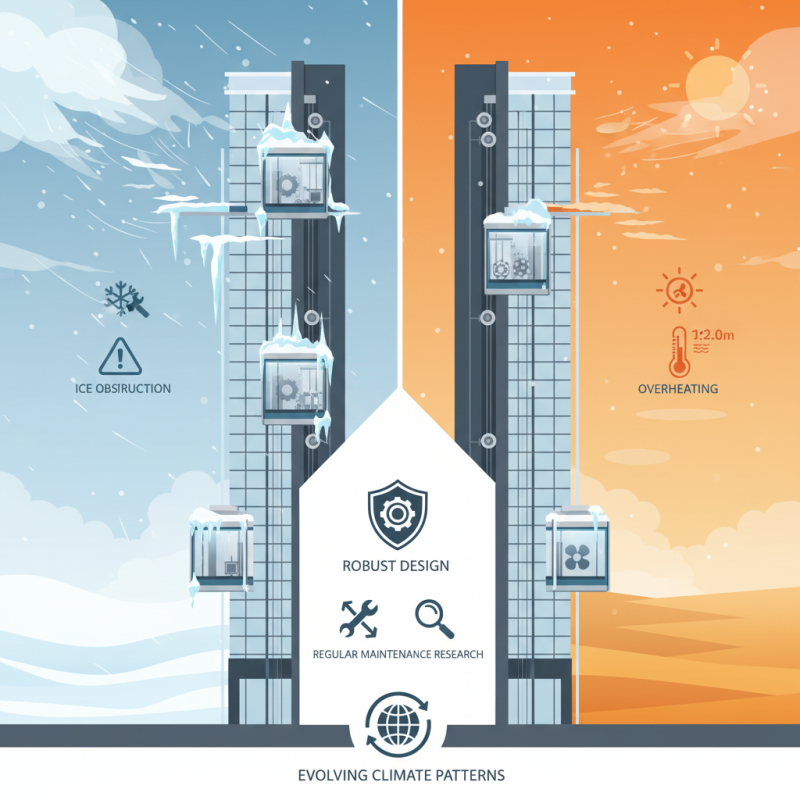
When adverse weather strikes, factors like wind, rain, or snow can affect elevator operations. Panoramic elevators are often engineered to endure such challenges. Their design includes robust materials and advanced technology to ensure functionality even in harsh climates. Yet, there are limitations. For instance, ice accumulation can obstruct movement and pose risks.

Moreover, while manufacturers strive to improve resilience, there are still gaps in their response to all extreme scenarios. Continuous research is essential in this area. It remains vital for building managers and users to recognize potential vulnerabilities. Investing in regular maintenance and upgrades can enhance safety. As climate patterns evolve, understanding this question has never been more critical. How do panoramic elevators handle extreme weather conditions? The answer will shape the future of urban transportation.
How Do Panoramic Elevators Perform in Extreme Weather Conditions?

Understanding Panoramic Elevators: Features and Mechanics

Panoramic elevators are fascinating structures that combine aesthetics and functionality. Their transparent design offers stunning views while transporting people between floors. Understanding their features and mechanics is crucial when considering their performance in various conditions, especially extreme weather.

These elevators use durable materials, designed to withstand significant pressure and temperature variations. The viewing panels are often made of reinforced glass, ensuring safety. The mechanical systems, including motors and cables, are engineered for reliability. Yet, they are not infallible. Extreme weather—like heavy winds or ice—can affect operations. The sensors may halt the elevator to prevent accidents during such conditions.

**Tip:** Regular maintenance is essential. Inspect the components frequently to ensure they function well in all weather. Another point to consider is the placement of the elevator shaft. A sheltered or strategically located shaft can improve performance and safety. Lastly, if you're planning to install one, think about how local weather patterns may impact its design and use.

In high winds, the ride may feel different. Users should be aware of this and remain calm. Transparency in design is beautiful but requires rigorous engineering. Reflect on the balance between aesthetic appeal and the need for safety. Choices made here carry long-term implications for performance.

Panoramic Elevators Performance in Extreme Weather Conditions

Weather Condition Temperature Range (°C) Operational Status Response Time (minutes) User Satisfaction (1-5)
Heavy Rain 5 to 20 Operational 2 4
Snow -10 to 5 Limited 5 3
Extreme Heat 30 to 50 Operational 3 4
Strong Winds 0 to 30 Operational 4 5
Flooding 5 to 15 Non-Operational N/A 2

Impact of Extreme Weather on Elevator Systems and Safety

Extreme weather conditions pose significant challenges for elevator systems, including panoramic elevators. Snow, ice, and heavy rain can hinder their performance. According to a study by the American Elevator Institute, around 30% of elevator malfunctions occur due to weather-related issues. This includes freezing temperatures that may affect the hydraulic systems and lead to decreased performance.

Safety is a critical concern. In winter, ice can accumulate on elevator tracks, restricting movement. If elevators are not properly maintained, they can malfunction during emergencies. The National Elevator Industry, Inc. recommends regular checks to ensure safety features function effectively under adverse conditions.

Here are some tips for building managers:

  • Schedule routine maintenance inspections, especially before winter.
  • Ensure all weatherproofing measures around elevators are in place.

It's also essential to evaluate installation locations. Choosing areas less exposed to severe weather can enhance reliability. However, some installations might still face unexpected issues. Reflecting on previous incidents can lead to better preparedness. Regular training for staff on emergency procedures can improve safety outcomes as well.

Challenges Faced by Panoramic Elevators in Harsh Conditions

Panoramic elevators are visually stunning, but their performance in extreme weather can be problematic. One major challenge is their glass enclosure, which is susceptible to temperature fluctuations. In freezing conditions, ice can form on the glass, obstructing visibility and affecting safety.

Wind poses another serious threat. High winds can sway the elevator, causing discomfort for passengers. Engineers must consider the structural integrity of the elevator and ensure it can withstand strong gusts. In regions prone to storms, this becomes a crucial factor during the design phase.

Heavy rainfall can lead to water pooling around the elevator’s base. If not properly sealed, this may cause mechanical failures or electrical hazards. Maintenance teams need to regularly inspect the components for wear and tear, especially after harsh weather events. These factors can compromise both reliability and safety, raising questions about the elevator's long-term performance in adverse conditions.

Technological Innovations for Weather-Resilient Elevators

Panoramic elevators offer stunning views and are often a centerpiece in modern architecture. However, their performance in extreme weather conditions raises concerns. Rain, snow, and high winds can affect their operation, presenting challenges for engineers and designers. Reliability in adverse conditions is crucial for ensuring safety and comfort for users.

Recent technological innovations aim to enhance the resilience of these elevators. For instance, advanced materials can withstand harsh weather and reduce wear and tear. Smart sensors now monitor environmental factors, adjusting the elevator’s operation accordingly. These systems can detect wind speeds or ice accumulation, enhancing safety protocols.

Yet, achieving complete weather resilience remains challenging. Some elevators may not perform optimally in heavy snow, which can obstruct doors and mechanisms. Regular maintenance becomes essential to ensure they function correctly. Feedback from installations in various climates helps improve designs over time. This iterative process highlights the need for continuous improvement in elevator technology.

Case Studies of Panoramic Elevators in Extreme Environmental Situations

Panoramic elevators are designed for stunning views. However, their performance in extreme weather conditions raises concerns. Case studies show varied results. In regions with heavy snowfall, these elevators faced mechanical challenges. Snow accumulation on the elevator’s exterior can obscure visibility. In high winds, vibrations were reported, affecting stability and comfort.

In one case study, a panoramic elevator in a coastal city encountered severe storms. The glass structure withstood strong gusts, but some users reported delays. Maintenance crews worked diligently to clear debris and ensure safety. However, proactive measures were often noted as lacking prior to the storms.

Another study in a harsh desert environment highlighted overheating issues. The sun’s relentless heat caused equipment to malfunction. Engineers found that the elevator control systems struggled during peak temperatures. Reflective materials could mitigate heat but were not initially considered. These reflections emphasize the need for continuous adaptation and innovation in design to improve reliability under adverse conditions.

FAQS

: What are panoramic elevators made of?

: They use durable materials like reinforced glass, designed to withstand pressure and temperature variations.

How do extreme weather conditions affect panoramic elevators?

Heavy winds and ice can impact operations, leading to halted services for safety.

Why is regular maintenance important for these elevators?

Frequent inspections ensure components function well and can handle various weather conditions.

Can panoramic elevators operate in heavy snowfall?

They may struggle due to snow accumulation obstructing doors and mechanisms.

How do smart sensors improve elevator performance?

They monitor environmental factors and adjust operations, enhancing safety during adverse conditions.

What challenges arise in coastal areas?

Severe storms may cause delays, although the glass structure can withstand strong winds.

What overheating issues are noted in desert environments?

High temperatures can lead to equipment malfunctions, requiring reflective materials for improvement.

How do design choices impact safety and aesthetics?

Balancing beauty with safety is crucial, as poor choices can affect long-term performance.

Are all panoramic elevators equally resilient to weather?

No, they vary in performance; some may not handle heavy snow or extreme heat effectively.

What reflects the need for ongoing elevator design improvements?

Feedback from various climates indicates continuous adaptation is essential to enhance reliability.

Conclusion

Panoramic elevators, known for their aesthetic and functional designs, face unique challenges when exposed to extreme weather conditions. The article thoroughly examines how these elevators maintain safety and efficiency despite harsh environments, addressing their features and mechanics, as well as the impacts of severe weather, such as high winds and heavy snow.

In exploring "How do panoramic elevators handle extreme weather conditions?", the discussion highlights innovative technologies that enhance the resilience of these systems, including advanced materials and safety mechanisms. Additionally, case studies provide insight into real-world scenarios where panoramic elevators successfully navigated challenging climates, underscoring the importance of ongoing advancements in elevator technology to ensure reliability and safety in all conditions.

Amelia

Amelia

Amelia is a seasoned marketing professional with a wealth of expertise in our company’s core offerings. With an unwavering passion for driving growth and innovation, she plays a pivotal role in shaping our marketing strategies and enhancing brand visibility. A key aspect of her responsibilities......