Modern hospital elevators are vital for patient safety. Their design must meet strict standards. "What are the safety features of a modern hospital elevator?" is a crucial question. Dr. Alice Carter, a senior engineer at Health Lift Solutions, emphasizes, "Hospital elevators must prioritize both functionality and safety to enhance patient care."
Features like emergency stop buttons and overload sensors are essential. These systems ensure that elevators do not exceed weight limits. Additionally, smooth operation minimizes the risk of accidents. Anti-sway technology is another innovation. It prevents the elevator from moving abruptly, which is helpful for patients and medical staff.
Yet, there are challenges. Maintaining these safety features is crucial for reliable performance. Some hospitals struggle with budget constraints. Investing in upgrades may be overlooked. Regular inspections are necessary, but they can be easily neglected. This highlights the importance of continuous education for hospital staff. It is essential to understand the safety systems in place. Awareness directly impacts patient safety and elevator efficiency.
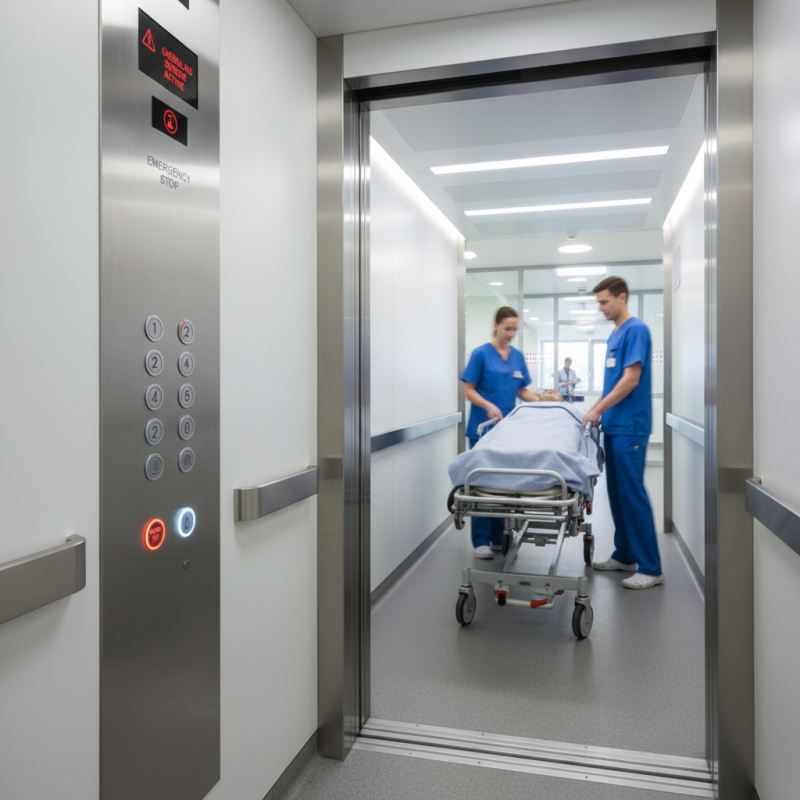
Modern hospital elevators play a crucial role in ensuring patient safety during transport. One key safety mechanism is the emergency stop button. This feature allows users to halt the elevator in case of an unexpected situation. Its placement should be intuitive yet secure, preventing accidental activation.
Another vital component is the overloading sensor. It prevents the elevator from operating beyond its weight limit. This significantly reduces the risk of mechanical failure. Hospitals require swift transport, but safety must be the priority. Elevators should also have a clear display of weight capacity to remind users.
Automatic doors enhance safety by minimizing pinch points. They should have sensors that detect obstacles, ensuring doors do not close on patients or staff. Additionally, backup power systems are essential for uninterrupted service during outages. Maintenance and inspections need regular scheduling to enhance reliability. Not every safety feature is perfect; sometimes, users overlook signs or instructions. Continuous education for staff and patients about these mechanisms can improve safety awareness.
In modern hospitals, elevators play a crucial role in patient care. Elevator systems must include reliable emergency communication systems. These systems allow for direct communication between patients, staff, and emergency responders during critical situations.
A well-designed communication system should be intuitive and functional. Patients may not always be able to reach staff, especially during emergencies. A two-way intercom system can bridge this gap and provide reassurance. Clear visual signals, such as flashing lights, can also guide individuals in distress.
**Tip:** Ensure the emergency communication system is tested regularly. Regular checks can help identify potential failures. Staff should be trained to use these systems efficiently.
Another aspect to consider is accessibility. Emergency communication should be usable for everyone, including those with disabilities. Consider features like text-based alerts for hearing-impaired individuals. While efforts are made, there is still a need for improvements in design and implementation.
**Tip:** Gather feedback from patients and staff. Their experiences can highlight areas needing enhancement. Continuous assessment ensures the system meets everyone’s needs effectively.
| Feature | Description | Importance |
|---|---|---|
| Emergency Communication System | Allows direct communication with the monitoring center in case of emergencies. | Crucial for immediate assistance and response during emergencies. |
| Backup Power Supply | Ensures elevator operation during power outages. | Essential for maintaining functionality and safety during emergencies. |
| Fire Safety Features | Includes smoke detectors and fire alarm systems integrated with elevator controls. | Helps prevent the use of elevators in case of fire and assists in evacuation procedures. |
| Automatic Door Operability | Ensures that doors can be opened automatically in an emergency. | Facilitates quick evacuation and access for emergency personnel. |
| Load Monitoring Systems | Monitors the weight inside the elevator to prevent overloads. | Ensures safe operation and prevents mechanical failures. |
| Surveillance Cameras | Cameras installed to monitor activity within the elevator. | Enhances safety and security for patients and staff. |
Fire safety in hospital elevator design is critical. Elevators must operate during emergencies. Features designed for fire safety become vital in such scenarios. Smoke detectors and alarms enhance early warning. They trigger elevator recall, moving cars to a safe location. This process can save lives.
Materials used in elevators contribute to safety. Fire-resistant materials delay heat transfer. They help contain fires, minimizing damage. However, challenges arise. Maintaining these materials can be difficult. Regular inspections are necessary to ensure effectiveness. Some installations may not adhere to strict standards, leading to potential weak points.
Elevators also need clear signage. Notices should inform users about fire escape routes. This helps guide individuals during emergencies. Training staff on these protocols is essential. Yet, not all facilities invest in comprehensive staff training. This gap can create confusion when it matters most. Effective communication is vital for safety, especially in a hospital environment.
Modern hospital elevators play a crucial role in ensuring patient safety and comfort. Accessibility features are vital for creating a secure environment for all users. Ramps and wider door openings allow easier access for patients in wheelchairs. Additionally, elevators equipped with voice activation facilitate independence for those with mobility challenges. These aspects enhance the experience of patients and caregivers alike.
Emergency communication systems in elevators provide reassurance during unforeseen situations. Patients can reach help quickly if needed. Visual displays show elevator status, reducing anxiety while waiting. However, some elevators may lack proper signage or emergency protocols. Regular maintenance is crucial to prevent delays in service. Hospitals must remain vigilant in assessing and addressing these potential shortcomings.
Anti-fall sensors are another essential feature. They prevent doors from closing unexpectedly, ensuring safety for passengers. Yet, some patients may feel uncomfortable using elevators due to fear of malfunction. This highlights the need for ongoing education about elevator safety measures in healthcare settings. Listening to patient feedback can further improve these systems.
Modern hospital elevators play a crucial role in patient care and staff efficiency. Regular maintenance is essential for ensuring safety compliance. According to the Elevator Industry Safety Initiative, nearly 20% of elevator accidents occur due to inadequate maintenance. This highlights the importance of routine inspections and repairs.
Compliance protocols are vital for hospital environments. Hospitals must follow guidelines set by the American Society of Mechanical Engineers (ASME). These require monthly inspections and annual safety tests. However, many facilities struggle with maintaining these rigorous schedules. A 2022 report indicated that over 30% of hospitals fell behind on required inspections. This can increase risks significantly.
Elevator systems should have backup safety features. Emergency alarms and automatic brakes are standard in modern designs. Alarmingly, about 15% of elevators in older hospitals lack these crucial upgrades. Regular audits can help identify such shortcomings, ensuring timely updates to equipment. Hospitals often prioritize immediate patient care, sometimes neglecting these necessary checks.
: They enable direct communication during emergencies, bridging the gap between patients and staff.
Features like ramps, wider doors, and voice activation help patients with mobility challenges.
A two-way intercom system allows patients to reach help quickly, reducing anxiety.
Regular testing is essential to identify failures and ensure reliability.
Some elevators may lack signage and emergency protocols, increasing risks.
It highlights areas needing improvement, ensuring the system meets everyone's needs.
Routine inspections prevent accidents, as many occur due to inadequate maintenance.
Monthly inspections and annual safety tests are required but often neglected.
They prevent doors from closing unexpectedly, enhancing passenger safety.
Concerns about malfunctions highlight the need for ongoing education about safety measures.
Modern hospital elevators are equipped with essential safety features designed to ensure patient and staff safety. Key safety mechanisms include emergency communication systems, which allow users to contact help during malfunctions. Additionally, fire safety features are integral to elevator design, providing protection in emergencies. Accessibility features enhance patient safety by accommodating individuals with mobility challenges, ensuring that everyone can use the elevators without risk.
Regular maintenance and inspection protocols are critical for safety compliance, ensuring that all components function correctly and are up to established standards. In summary, when considering what are the safety features of a modern hospital elevator, one must recognize the importance of these systems in promoting a safe and efficient healthcare environment.

DHI Lift