Why Smart Elevator Systems Are Key to Energy Savings?

Time:2026-05-09 Author:Isabella
0%

In modern buildings, elevators are significant energy consumers. With the rise of smart technology, there is a growing focus on efficiency. How to save energy with smart elevator systems? This question drives innovation in building management.

Smart elevator systems utilize advanced algorithms. They optimize routes based on demand. This reduces unnecessary stops, saving both time and energy. Additionally, these systems often include regenerative drives. These drives capture energy generated during descent, feeding it back into the building’s power grid.

While these advancements offer great potential, many buildings still use outdated systems. Transitioning to smart technology requires investment and planning. This shift raises questions about long-term benefits versus initial costs. However, the urgency for energy efficiency makes it a critical consideration for future developments.
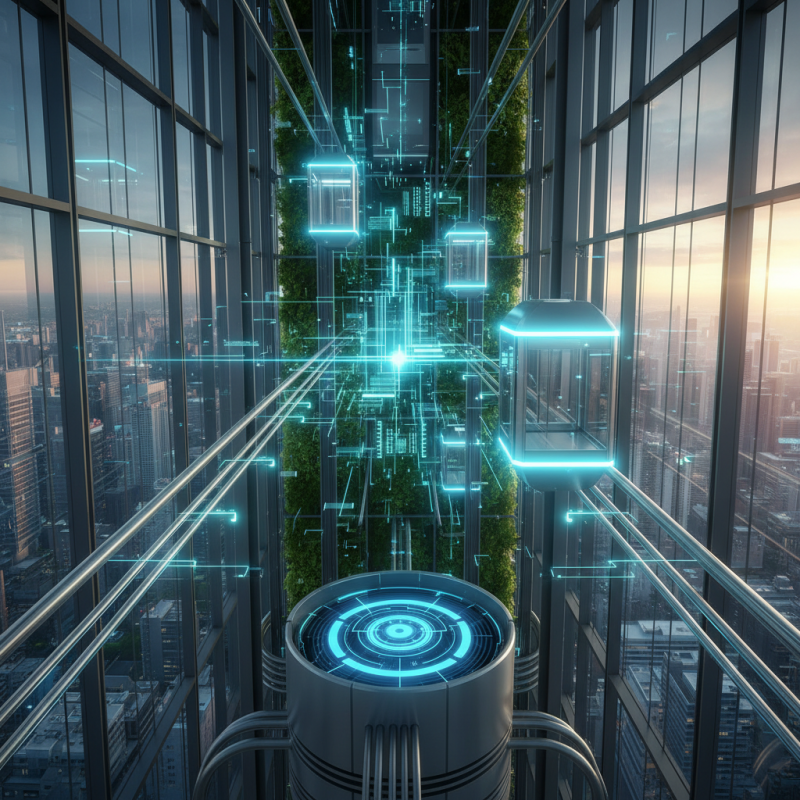
Why Smart Elevator Systems Are Key to Energy Savings?

The Role of Smart Elevator Systems in Modern Building Design

Smart elevator systems play a vital role in modern building design, especially regarding energy efficiency. These systems utilize advanced technologies such as artificial intelligence and machine learning to optimize elevator usage. According to a report by the International Energy Agency, elevators account for 2-4% of global electricity consumption. Smart systems can reduce this significantly by minimizing wait times and unnecessary trips.

Incorporating smart elevators can lead to an estimated 30% reduction in energy use compared to traditional models. This reduction is achieved through features like predictive maintenance, which helps prevent energy waste by ensuring optimal operation. Additionally, some studies show that buildings with energy-efficient elevators can enhance the overall building rating by as much as 25%, improving both marketability and operational costs.

Despite these advantages, challenges still exist. Older buildings may require significant upgrades to install these systems. The initial investment can be high, and not all building managers are willing to take that risk. Additionally, the integration of smart technology requires ongoing training for staff, which can be cumbersome. These factors can hinder the widespread adoption of smart elevator systems, even with their proven benefits.

Understanding Energy Consumption in Traditional Elevator Systems

Traditional elevator systems consume a substantial amount of energy. On average, elevators can account for up to 10% of a building’s total energy usage. Their constant standby mode leads to significant power loss. When elevators are not in use, they still draw energy to maintain readiness for operation. This idle energy consumption is often overlooked.

Another problem is the inefficient use of energy during peak hours. Many elevators operate at a fixed speed, regardless of demand. This can lead to longer wait times and unnecessary trips. Inefficient algorithms in traditional systems do not prioritize passengers effectively. Consequently, both energy and time are wasted in the process.

While traditional systems have been reliable, they require modernization. Many buildings still use outdated technologies, which cannot adapt to current energy standards. Improvements in smart elevator systems can address these inefficiencies. Transitioning to smarter technologies presents an opportunity for significant energy savings. It’s essential for building managers to assess energy use patterns critically. Reducing consumption can lead to lower costs and a smaller carbon footprint.

How Smart Technology Enhances Elevator Efficiency and Reduces Waste

Smart technology is revolutionizing how elevators operate, significantly improving efficiency and energy savings. According to a report by the International Energy Agency, elevators account for approximately 2-3% of global electricity consumption. By utilizing advanced algorithms and real-time data analytics, smart elevator systems can optimize their operations, reducing energy waste. For instance, predictive maintenance can help identify issues before they escalate, leading to fewer breakdowns and lower energy usage.

These systems use machine learning to adapt to building traffic patterns. This means that elevators can efficiently manage peak and off-peak times. A study from the American Society of Mechanical Engineers found that smart elevators can reduce energy consumption by up to 30%. This isn't just a theory; it's backed by real-world applications in modern buildings. Smart technologies allow elevators to adjust the number of stops needed and improve ride-sharing efficiency, cutting down on unnecessary trips.

However, it's essential to recognize that not all buildings are equipped with the latest technology. Many older systems still rely on traditional mechanics, leading to inefficiencies. Transitioning to smart systems requires initial investment and planning. There is also a learning curve in adopting new technology. Owners must weigh these aspects carefully. The potential for energy savings is clear, but the path to implementation may not be straightforward. Efforts must focus on integration and education to truly maximize these benefits.

The Impact of Smart Elevators on Building Operational Costs

Smart elevator systems significantly influence building operational costs. These technologies optimize energy usage through efficient routing and predictive maintenance. By analyzing real-time data, smart elevators predict peak usage times, reducing unnecessary trips. This leads to lower energy consumption and minimizes wear on the systems.

The initial investment in smart elevators can appear daunting. However, substantial operational savings soon reveal their value. Reduced energy bills and lower maintenance costs offset the upfront expenses. Buildings can see a notable decrease in their carbon footprint, aligning with modern sustainability goals. Smart elevators not only enhance user experience but also contribute to long-term financial benefits.

Despite these advantages, some buildings hesitate to adopt this technology. Concerns about integration with existing systems or the learning curve involved may hold them back. Organizations should weigh these risks against potential savings. Continuous evaluation will ensure they make informed decisions while adapting to new technologies.

Case Studies: Successful Implementation of Smart Elevator Solutions

Smart elevator systems are transforming energy efficiency in buildings. A recent report by the International Energy Agency indicates that elevators consume up to 5% of a building’s total energy. These advanced systems use algorithms and real-time data to optimize elevator routes. They reduce wait times and decrease unnecessary energy use.

In one case study, a commercial high-rise in New York City implemented a smart elevator solution. This change resulted in a 30% reduction in energy consumption. The building experienced improved tenant satisfaction and lower operational costs. However, implementing such technology is not without challenges. Integration with existing systems requires careful planning and investment, which may deter some building owners.

Another example is in Paris, where a smart elevator retrofit led to significant benefits. This solution enabled the building to achieve LEED certification, enhancing its market appeal. However, retrofitting older buildings comes with its own set of complications. Limited space and outdated infrastructure can make it tough to install advanced systems. Addressing these obstacles requires innovative thinking and collaboration among stakeholders.

Why Smart Elevator Systems Are Key to Energy Savings? - Case Studies: Successful Implementation of Smart Elevator Solutions

Case Study Location Energy Savings (%) Installation Date Key Features
Mixed-Use Building New York, USA 30% 2021 Regenerative Drives, AI-Based Controls
Office Complex London, UK 25% 2020 Smart Grouping, Real-Time Monitoring
Shopping Mall Tokyo, Japan 40% 2019 IoT Connectivity, Energy Analytics
Residential Tower Sydney, Australia 20% 2022 Predictive Maintenance, Energy-Harvesting

FAQS

: How much energy do traditional elevator systems consume?

: Traditional elevators account for up to 10% of a building's total energy usage.

Why is standby energy consumption an issue?

Elevators draw power in standby mode, leading to significant energy waste when not in use.

How do peak hours affect energy consumption?

Many elevators run at fixed speeds, causing longer wait times and unnecessary trips during busy periods.

What advantages do smart elevator systems offer?

Smart systems optimize energy use, reduce wait times, and predict peak usage, minimizing unnecessary trips.

How can smart elevators impact operational costs?

Smart elevators lower energy bills and maintenance costs, leading to substantial operational savings over time.

What challenges exist in adopting smart elevator technology?

Concerns about integration and the learning curve may deter some buildings from switching to smart systems.

Can retrofitting older buildings with smart elevators be problematic?

Yes, limited space and outdated infrastructure can complicate the installation of advanced elevator systems.

What is the potential for energy savings with smart elevators?

Implementing smart solutions can result in significant energy reductions, as evidenced by various case studies.

How do smart elevators contribute to sustainability goals?

By reducing energy consumption, they help lower buildings' carbon footprints, aligning with modern sustainability efforts.

What should building managers consider before switching to smart elevators?

They need to evaluate energy use patterns, integration challenges, and potential long-term savings critically.

Conclusion

Smart elevator systems play a crucial role in modern building design by optimizing energy consumption and enhancing operational efficiency. Traditional elevator systems often contribute significantly to energy waste due to outdated technology and inefficient operations. However, smart technology can greatly improve elevator management through real-time data analysis, predictive maintenance, and optimized routing, leading to substantial energy savings.

Addressing the question of "How to save energy with smart elevator systems?" involves leveraging these advanced features to reduce unnecessary trips and improve waiting times, ultimately lowering overall energy use. Various case studies showcasing the successful implementation of smart elevator solutions highlight their positive impact not only on energy efficiency but also on building operational costs, demonstrating that investing in such technology can lead to significant economic and environmental benefits.

Isabella

Isabella

Isabella is a dedicated marketing professional with a sharp focus on driving brand growth and engagement through strategic content creation. With an extensive background in digital marketing, she combines her passion for storytelling with her keen understanding of industry trends to deliver......