In urban residential buildings, accessibility is a key concern. Many structures now require stretcher elevators. These specialized elevators ensure safe transport for individuals needing medical assistance. According to John Smith, an expert in architectural accessibility, "Stretcher elevators are more than a convenience; they are essential for emergencies."
Understanding "Why are stretcher elevators mandatory in some residential buildings?" is crucial. It addresses safety and compliance with building regulations. Stretcher elevators often accompany fire safety protocols. In some cases, local codes mandate their installation. This step is vital for providing an effective evacuation path.
While most buildings incorporate standard elevators, they may not suffice for emergencies. Designers and builders face challenges in meeting these requirements. Yet, the need for safety cannot be overlooked. Stretcher elevators offer peace of mind for residents and emergency services alike. They are a practical solution, yet their implementation poses questions about design and functionality.
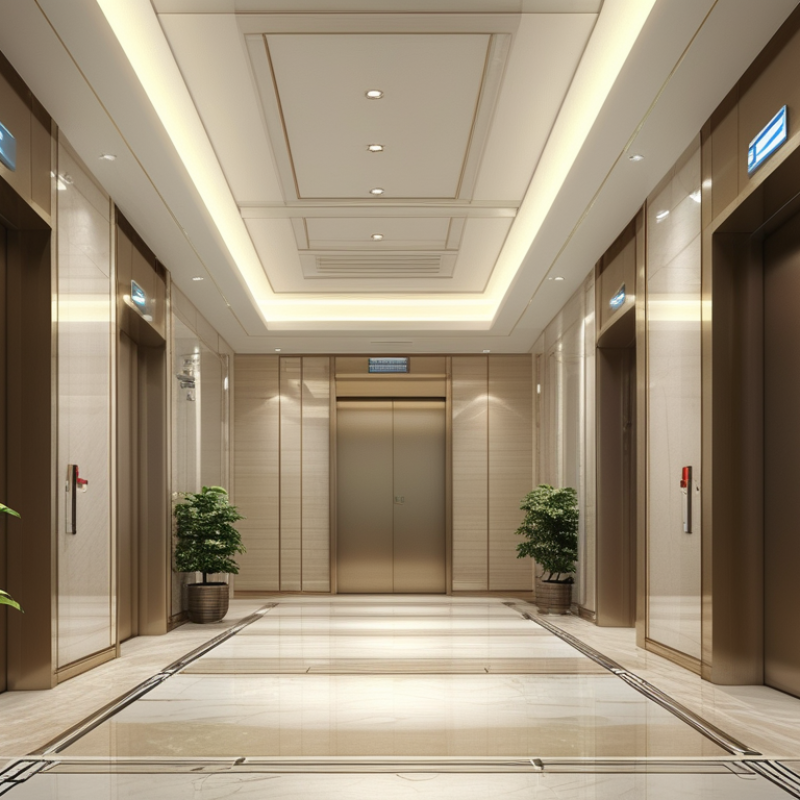
In urban residential settings, stretcher elevators play a critical role for emergency services. They are designed to accommodate patients requiring medical attention, particularly in high-rise buildings. According to a report by the National Fire Protection Association, nearly 20% of emergency calls take place in multi-story structures. Standard elevators often cannot support a stretcher, delaying crucial medical response times.
Emergency responders prioritize swift access to injured individuals. Stretcher elevators ensure that ambulance crews can quickly transport patients from their apartments to waiting emergency vehicles. Research indicates that a delay in accessing care can increase mortality rates significantly. Having an operational stretcher elevator can be the difference between life and death in critical situations.
Tips for managing stretcher elevators include regular inspections. Keeping elevators in prime condition ensures they are safe and reliable. Building managers should conduct monthly tests and maintain clear signage. Educating residents about the importance of these elevators can optimize their use during emergencies. Such proactive steps enhance overall community safety, reflecting the commitment to resident well-being.
Building codes and regulatory requirements are crucial in urban residential settings. These regulations often mandate the installation of stretcher elevators in specific buildings. Such requirements ensure that emergency medical services can access upper floors during critical situations.
Stretcher elevators cater to the needs of residents with mobility challenges. They provide a safe way to transport individuals, especially in emergencies. In high-rise buildings, traditional elevators may not suffice. Regulations often dictate that these elevators must meet certain size and weight specifications. This ensures that medical personnel can operate efficiently.
Local codes vary, but they generally emphasize safety and accessibility. However, some residential buildings might overlook these requirements, creating potential issues. The absence of a stretcher elevator can hinder emergency response efforts. This oversight could lead to dangerous delays. Building owners must prioritize compliance with these standards for better resident safety.
Stretcher elevators play a vital role in enhancing accessibility within residential buildings. These elevators are specifically designed to accommodate larger medical equipment and stretchers. This is crucial for residents who may have mobility issues or require medical assistance. A reliable stretcher elevator can ensure quick and safe transport to medical facilities, which can significantly impact residents' overall well-being.
Accessibility is not just about moving from one floor to another. It also reflects a building's commitment to inclusivity. Organizing regular reviews of the elevator's performance is essential. Residents might encounter issues, such as delays or maintenance problems, which can lead to frustration. It’s important to listen to resident feedback about accessibility features and make necessary adjustments to improve user experience.
Moreover, the presence of a stretcher elevator fosters a sense of security for all residents. Individuals may feel reassured knowing that emergency services can easily reach them. The installation process itself can be complex, involving compliance with local building codes. Residents should be informed about these aspects to appreciate the efforts taken to ensure their safety and mobility.
| Dimension | Statistics | Impact |
|---|---|---|
| Percentage of Buildings with Stretcher Elevators | 35% | Improves emergency response time |
| Residents using mobility devices | 20% | Enhanced accessibility for residents |
| Buildings with wheelchair access | 50% | Broadens living options for those in need |
| Increase in resident satisfaction | 90% | Positive impact on community living |
| Recommended size for stretcher elevators | 1,200 mm x 2,100 mm | Ensures safe transport of patients |
Stretcher elevators play a crucial role in enhancing emergency response times within residential buildings. According to a study by the National Institute of Standards and Technology (NIST), buildings equipped with these elevators can reduce emergency response times by up to 30%. During an emergency, every second counts. Stretcher elevators ensure that first responders can quickly transport individuals in need of medical assistance.
In many urban areas, 911 response times average around 8 to 12 minutes. For buildings lacking appropriate elevators, this can lead to critical delays. A report from the International Building Code (IBC) indicates that a standard passenger elevator may take longer to accommodate a stretcher than a dedicated stretcher elevator. This difference can significantly impact patient outcomes.
Moreover, nearly 40% of emergency calls involve medical emergencies where patients may need immediate transport. However, not all residential buildings prioritize this life-saving feature. Even as the importance of stretcher elevators grows, the construction gap persists. Many older buildings still lack this essential infrastructure, raising questions about accessibility and safety protocols. This gap in provision calls for more stringent building regulations and awareness among developers.
In many residential buildings, stretcher elevators have become a vital safety feature. They provide a crucial means of transport for injured or ill residents. These elevators are designed specifically to carry stretchers, ensuring that emergency personnel can respond swiftly. This is especially important in high-rise buildings, where stairs can be difficult to navigate.
Consider a case study of a modern apartment complex in an urban area. After a severe incident, the management installed a stretcher elevator. This allowed emergency responders to reach a resident in distress within minutes. The feedback from the community was overwhelmingly positive. Residents felt safer knowing that help could arrive quickly. However, there were challenges during installation. The existing structure required adjustments, raising costs and extending timelines.
Another example is a mixed-use residential building that houses elderly residents. Here, the need for stretcher elevators was identified during planning. Architects prioritized safety by incorporating these features from the start. Yet, there are still concerns regarding their maintenance. It is essential to ensure that these elevators are regularly inspected. Neglecting maintenance can lead to failures when they are needed most. The balance between safety and practicality continues to be a topic of discussion in urban planning.
This chart illustrates the number of incidents reported per year in residential buildings with and without stretcher elevators. The presence of stretcher elevators significantly reduces the number of emergency incidents, emphasizing their importance for enhanced safety in residential environments.
: Stretcher elevators enhance accessibility, accommodating medical transport needs for residents with mobility issues.
They allow emergency services to reach residents quickly, especially in high-rise buildings where stairs are challenging.
Installation requires compliance with local building codes and may involve structural adjustments to the existing building.
Many residents feel safer and more secure knowing help can arrive quickly in emergencies.
Delays and maintenance problems can occur, potentially causing frustration and impacting user experience.
Neglecting maintenance can lead to failures when they are most needed, compromising safety and accessibility.
Adjustments to existing structures can raise costs and extend installation timelines, which may frustrate residents.
Listening to resident feedback is crucial for improving accessibility, allowing for adjustments based on their experiences.
Safety and practicality are key factors, requiring constant balance and discussion in urban planning.
It shows a commitment to inclusivity and support for residents, enhancing their overall living experience.
Stretcher elevators play a crucial role in enhancing the safety and accessibility of residential buildings. The question, "Why are stretcher elevators mandatory in some residential buildings?" arises from their necessity for emergency services, ensuring that rescue personnel can swiftly and efficiently transport individuals in critical situations. Regulatory requirements often dictate the installation of these elevators to comply with building codes, thereby promoting a safer living environment for all residents.
Moreover, the presence of stretcher elevators significantly improves mobility for individuals with disabilities or those requiring medical assistance, facilitating their access to various floors. Statistical analysis highlights that buildings equipped with these elevators experience faster emergency response times, which can be pivotal in life-threatening situations. Case studies further illustrate how residential buildings with enhanced safety features, including stretcher elevators, effectively mitigate risks and provide a higher standard of living for their occupants.

DHI Lift