When considering elevator systems, many face the question: "What is the difference between traction and hydraulic elevators?" These differences can impact efficiency, cost, and installation. Each type offers distinct advantages and disadvantages, making it crucial to understand their mechanisms.
Traction elevators utilize ropes and pulleys, providing smooth rides. They are ideal for tall buildings. However, they require more maintenance and may involve higher installation costs. Hydraulic elevators, on the other hand, rely on a piston and fluid pressure. They are typically less expensive to install and maintain, but their speed and height capabilities are limited.
Both systems have unique features that cater to diverse needs. Factors such as building design, weight capacity, and even aesthetic preferences play significant roles in the decision-making process. Evaluating these differences will lead to a more informed choice tailored to specific requirements.
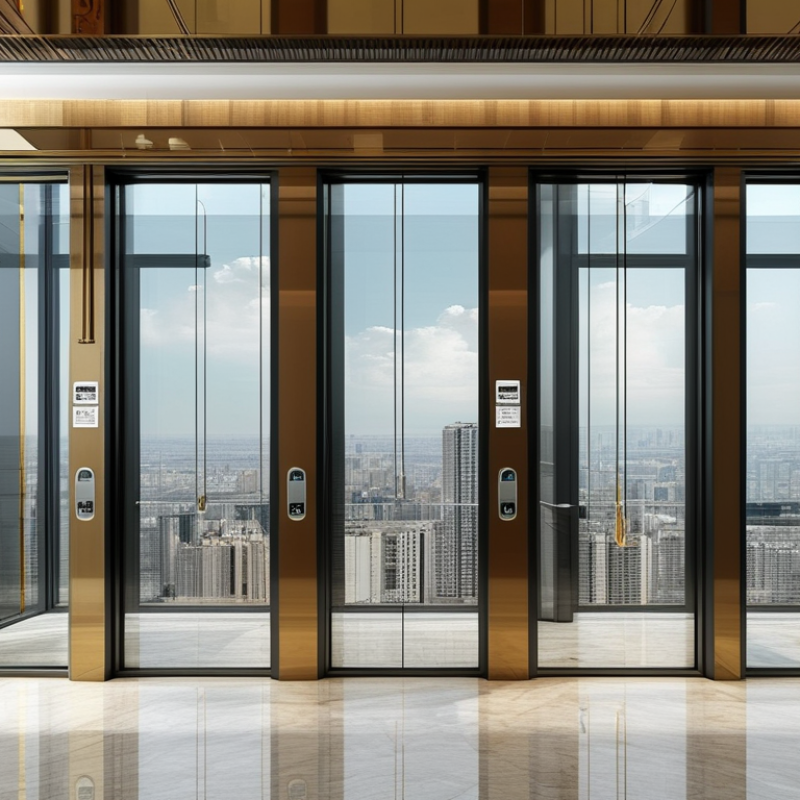
Top 10 Differences Between Traction and Hydraulic Elevators in China
In the Chinese elevator market, the choice between traction and hydraulic elevators is crucial for building developers. Traction elevators use cables and pulleys, while hydraulic elevators rely on fluid-driven pistons. The cost difference is notable; traction elevators are generally more expensive to install but offer better energy efficiency. According to the China Elevator Association, energy consumption for traction elevators can be up to 30% lower compared to hydraulic models.
Maintenance requirements also vary significantly. Traction elevators may need more frequent servicing due to their mechanical components. Conversely, hydraulic systems are simpler but can incur more costs over time due to hydraulic fluid leaks. The average lifespan for traction elevators is around 20-30 years, while hydraulic elevators typically last 15-20 years. This lifespan gap is crucial for developers considering long-term investment.
Space requirements are another important factor. Traction elevators need a machine room, whereas hydraulic systems can be installed in tighter areas, making them suitable for low-rise buildings. However, as urban space in China becomes limited, the choice may not always favor hydraulic solutions. It’s essential for developers to assess their specific needs and the environmental impact of each system.
Overview of Traction Elevators: Mechanics and Applications
Traction elevators are popular due to their mechanical efficiency. They operate using a series of pulleys and cables. The motor drives the pulley system, allowing for smooth movement. These elevators are ideal for taller buildings. They can travel long distances without losing speed. Traction elevators can handle heavier loads compared to hydraulic ones.
The design of traction elevators allows for better energy conservation. They use less power when moving upward. In contrast, they regain energy when descending. This feature makes them eco-friendly and economical. Their maintenance is simpler since they have fewer moving parts. However, they require more space within the building for their machinery.
Tip: When choosing an elevator for your building, consider the specific needs of your project. Evaluate the building height and expected traffic.
Despite their advantages, traction elevators can be less suitable for low-rise buildings. Hydraulic elevators may perform better in such scenarios. They can be slower but fit easily in smaller spaces. Remember to assess both options to find the right fit for your needs.
Tip: Regular maintenance is crucial for both elevator types. Ensure that qualified professionals conduct safety checks. This helps prevent potential issues and prolongs the lifespan of the elevators.
Overview of Hydraulic Elevators: Mechanics and Applications
Hydraulic elevators are designed with unique mechanics that differentiate them from traction elevators. They utilize a hydraulic system that relies on fluid mechanics. This system includes a pump that moves hydraulic fluid into a cylinder, which pushes the elevator car upward. Due to their design, hydraulic elevators are commonly used in low-rise buildings, typically up to six floors. According to a recent industry report, about 70% of low-rise elevator installations in urban areas opt for hydraulic technology.
One of the notable advantages is their smooth operation. The absence of counterweights simplifies the design. However, this can lead to limitations in height and speed. Hydraulic systems can generate high energy consumption compared to traction elevators. Reports indicate that energy use can be 30% higher in some hydraulic models. This aspect raises questions about their long-term efficiency, especially in environmentally sensitive areas.
Despite these concerns, hydraulic elevators are favored for certain applications. They can be installed more easily in existing structures without significant modifications. Nevertheless, their reliance on a pit under the elevator shaft poses challenges in space-constrained areas. Continuous development in elevator technologies forces the industry to reevaluate the balance between practicality and efficiency.
Key Performance Metrics: Speed, Capacity, and Efficiency
When comparing traction and hydraulic elevators, speed is a crucial factor. Traction elevators can travel at higher speeds, often reaching up to 2,000 feet per minute. They use steel cables and pulleys, which allow for smoother rides. In contrast, hydraulic elevators tend to be slower, generally limited to about 150 feet per minute. Their operation depends on hydraulic fluid, making them less efficient for taller buildings.
Capacity is another key metric. Traction elevators tend to have a higher weight capacity. They can handle larger loads, making them ideal for busy commercial buildings. Hydraulic elevators, however, may struggle with heavy loads over time. Their hydraulic systems can wear down, leading to potential reliability issues. If not adequately maintained, these elevators may fail to lift heavy goods effectively.
Efficiency is vital for both types. Traction elevators consume less energy, especially for taller buildings. Their designs are optimized for energy savings, which is appealing to environmentally conscious consumers. Conversely, hydraulic elevators can be less energy-efficient due to their reliance on diesel fuel or electricity for the hydraulic system. The need for regular maintenance can also lead to increased operational costs. Each type has strengths and weaknesses worth considering.
Cost Analysis: Installation and Maintenance of Each Elevator Type
When considering elevator systems, cost analysis plays a vital role in choosing between traction and hydraulic elevators. Traction elevators usually come with a higher initial installation cost than hydraulic systems. According to the Elevator World report, traction elevators start at approximately $20,000, while hydraulic elevators can begin at around $15,000. However, the long-term savings with traction elevators in energy efficiency may offset that initial expense.
Maintenance costs differ drastically between the two types of elevators. Hydraulic elevators generally require more frequent servicing, which can elevate yearly maintenance expenses. A study by the National Association of Elevator Contractors indicates that hydraulic elevators can incur annual maintenance costs of up to $1,200, whereas traction systems average around $900. These figures are significant when considering the total cost of ownership over time.
It’s essential to assess the building's height and usage requirements. Traction elevators are typically better suited for taller buildings, offering faster travel speeds. While hydraulic elevators might be the choice for low-rise structures, their slower speeds could become a factor in user satisfaction. Ultimately, balancing initial costs with maintenance needs and operational efficiency is key to informed decision-making.
China Top 10 Differences Between Traction and Hydraulic Elevators
| Dimension |
Traction Elevators |
Hydraulic Elevators |
| Installation Cost |
Higher, approximately $30,000 - $50,000 |
Lower, approximately $25,000 - $40,000 |
| Maintenance Cost |
Moderate, $200 - $300 per month |
Lower, $150 - $250 per month |
| Speed |
Faster, up to 500 ft/min |
Slower, typically 150 ft/min |
| Space Requirements |
Requires more space, especially for machine room |
Less space required; no separate machine room needed |
| Energy Efficiency |
More energy efficient |
Less energy efficient |
| Lifespan |
Longer, around 20-30 years |
Shorter, around 10-20 years |
| Noise Level |
Quieter operation |
Can be noisier due to hydraulic pumps |
| Loading Capacity |
Higher capacity, typically for larger buildings |
Lower capacity, suited for smaller buildings |
| Environmental Impact |
More environmentally friendly |
Less focus on environmental concerns |
| Best Use Case |
High-rise buildings |
Low to mid-rise buildings |
Environmental Impact: Energy Consumption and Sustainability Issues
The environmental impact of traction and hydraulic elevators significantly varies, particularly regarding energy consumption.
Traction elevators operate using a system of pulleys and cables. They are generally more energy-efficient than hydraulic systems, especially in high-rise buildings.
According to a report by the U.S. Department of Energy, traction elevators can consume up to 30% less energy than their hydraulic counterparts.
Hydraulic elevators, while effective in low-rise applications, often require more energy to operate. They use a fluid-driven piston system, leading to greater energy loss.
Studies indicate that hydraulic systems can lead to higher electricity costs, particularly in buildings with frequent elevator use. Moreover, hydraulic elevators may consume more water, posing sustainability concerns due to the fluid requirements.
Sustainability is a critical issue in the elevator industry. The carbon footprint of hydraulic elevators is often larger due to their energy consumption.
The International Energy Agency estimates that elevators contribute significantly to building energy use. Understanding these differences is essential for making informed decisions about elevator systems in new constructions and renovations.
The choice between traction and hydraulic should consider both efficiency and long-term environmental implications.
FAQS
: Hydraulic elevators use a hydraulic system that moves fluid to push the elevator car upward.
They are typically used in low-rise buildings of up to six floors.
About 70% of low-rise elevator installations in urban areas opt for hydraulic technology.
They offer smooth operation due to the absence of counterweights.
They have height and speed limitations compared to traction elevators.
Yes, they can consume up to 30% more energy than traction elevators.
They require a pit under the elevator shaft, making them unsuitable for space-constrained areas.
The higher energy usage of hydraulic elevators often leads to a larger carbon footprint.
No, they can result in higher electricity costs with frequent use.
Consider both efficiency and long-term environmental implications in the decision-making process.
Conclusion
In exploring "What is the difference between traction and hydraulic elevators?" it becomes clear that these two elevator types boast distinct mechanics and applications. Traction elevators utilize ropes and pulleys, making them ideal for high-rise buildings due to their speed and energy efficiency. On the other hand, hydraulic elevators rely on a fluid-driven piston system, making them suitable for mid-rise applications where power requirements and installation costs are key considerations.
When comparing their performance metrics, traction elevators generally offer higher speeds and capacities, while hydraulic elevators are known for their smoother rides in lower-rise environments. Furthermore, cost analysis reveals that while traction elevators may have higher installation expenses, they often incur lower maintenance costs. Environmental impacts also differ; traction elevators are more energy-efficient, contributing to sustainability efforts, whereas hydraulic systems may present greater energy consumption challenges. Overall, understanding these differences aids in selecting the appropriate elevator system for specific building needs.

 DHI Lift