A stuck elevator door can turn a routine ride into a tense, confusing moment. The safest response is calm observation, not force. If the car is level with the floor, passengers should keep clear of the threshold and avoid prying the doors open. If someone feels ill, trapped, or unsafe, use the emergency alarm or intercom and contact building management or local emergency services.
This guide explains How to troubleshoot a stuck elevator door? It focuses on practical checks that occupants and building staff can perform without touching hazardous equipment. We will examine common causes, including blocked door tracks, sensor interruptions, power irregularities, and mechanical wear. A small object near the sill may look harmless, yet it can prevent the door system from confirming a safe closure. Do not reach into gaps or climb out.
Experienced elevator technicians rely on inspection records, error indicators, and controlled testing. Their work follows manufacturer instructions and applicable safety standards. Still, diagnosis is not always obvious. A clean track does not prove the sensor is working, and a reset may hide a developing fault. That detail deserves attention. This article will distinguish safe passenger actions from tasks requiring a qualified professional. It will also note when repeated door failures indicate a maintenance problem rather than a temporary obstruction. Reliable troubleshooting protects people first, preserves equipment, and prevents a minor delay from becoming a serious incident.
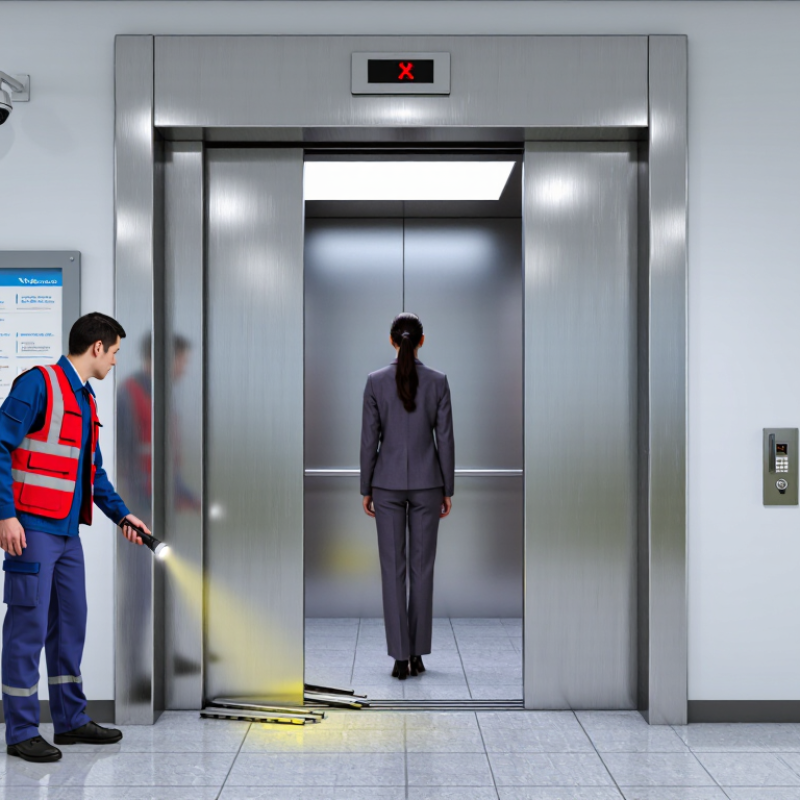
A stuck elevator door usually signals a safety system doing its job, not a simple mechanical failure. Common causes include dirt in the sill, an object blocking the threshold, misaligned door panels, or a faulty door sensor. Even a small stone can prevent the doors from proving fully closed. The National Elevator Industry reports that elevators carry about 18 billion passenger trips annually in the United States. That volume makes routine inspection essential. Do not force the doors.
Listen carefully. A repeated chime may indicate obstruction detection, while silence can suggest a power or control problem. If the car stops between floors, remain inside and use the emergency communication system. Never pry open the doors or climb out. The U.S. Consumer Product Safety Commission has linked elevator incidents to serious injuries, especially during attempted self-rescue. It is easy to underestimate the gap.
Building staff can check for visible debris around the sill and place the elevator out of service. A qualified technician should examine the interlock, door rollers, limit switches, sensors, and leveling system. ASME A17.1/CSA B44 requires safety-related elevator components to meet defined inspection and maintenance requirements. Still, compliance does not prevent every failure. Maintenance records may reveal repeated door faults, but rushed diagnosis can miss an intermittent sensor problem. That possibility deserves attention.
| Common Cause | Typical Signs | Safe Immediate Action | Likely Professional Check | Prevention Tip |
|---|---|---|---|---|
| Obstruction in the doorway | The doors start to close, reopen, or remain partly open. | Keep hands, luggage, and objects clear. Do not force the panels or place objects in the threshold. | Inspection and cleaning of the sill, tracks, door guides, and presence sensors. | Keep the landing sill and doorway free of dirt, stones, packaging, and spilled liquids. |
| Dirty or misaligned door sensor | The door reopens when no person or object is visible in the entrance. | Step clear of the entrance and press the close button once. Do not touch or cover the sensor. | Testing of the light curtain or infrared device, alignment, wiring, and controller signals. | Arrange scheduled maintenance and report recurring sensor behavior promptly. |
| Loss of electrical power | Cabin lights or controls stop working, or the elevator does not respond to calls. | Remain inside if the car is occupied, use the alarm or emergency communication system, and wait for assistance. | Checking building power, elevator disconnects, batteries, controls, and fault records. | Have backup power and emergency communication equipment tested according to the maintenance schedule. |
| Door operator or motor fault | Grinding, humming, slow movement, repeated stopping, or uneven door travel. | Do not repeatedly press the controls or attempt to move the doors manually. Report the problem. | Inspection of the operator, drive system, belts, rollers, limit devices, and mechanical clearances. | Report unusual sounds or slow operation before the elevator becomes unusable. |
| Worn rollers, guides, or tracks | Shaking, scraping, uneven gaps, or doors that bind near one point. | Stand clear and avoid using the elevator until the responsible service provider confirms it is safe. | Checking wear, alignment, lubrication requirements, fasteners, and damaged components. | Prevent impacts from carts and equipment, and keep loading areas controlled. |
| Elevator not level with the floor | The car stops above or below the landing, or the doors remain locked. | Do not step over a gap or climb out. Use the emergency button or communication system. | Checking leveling sensors, brakes, drive controls, position feedback, and safety circuits. | Remove the elevator from service when leveling problems repeat and request qualified inspection. |
| Activated safety interlock | The elevator remains stationary because a landing door is not fully closed or locked. | Keep away from door edges and contact building management or emergency assistance. | Testing landing-door locks, contacts, wiring, alignment, and the safety circuit. | Never bypass, wedge, or tamper with an interlock or other safety device. |
| Fire service or emergency operation | The elevator ignores normal calls or operates only under authorized emergency control. | Follow building emergency instructions and use stairs when directed; do not interfere with emergency controls. | Verification of the fire alarm interface, emergency recall controls, and system reset procedures. | Ensure occupants know evacuation procedures and keep emergency access routes clear. |
| Extreme temperature, moisture, or debris | Intermittent door faults, stiff movement, corrosion, or problems after flooding or construction work. | Stop using the elevator if water, smoke, sparks, or burning smells are present. Move to a safe area and report it immediately. | Inspection of electrical components, door equipment, shaft conditions, drainage, and contamination damage. | Protect elevator entrances during construction and address leaks or flooding without delay. |
Common causes include dirt in the sill, blocked thresholds, misaligned panels, or faulty sensors. Even a small stone can interrupt closure.
Stand clear and avoid forcing the panels apart. Press the door-open button once, then wait several seconds. Repeated pressing may not help.
Remove only clearly visible objects from outside the elevator. A bag, stone, or loose floor mat may block the sill. Never enter the shaft area.
Remain inside and use the emergency communication system. Do not pry open the doors or climb out. The gap may look smaller than it is.
A repeated chime may indicate an obstruction. Silence could suggest a power or control issue. Sounds alone cannot confirm the fault.
Share the floor, sounds, door movement, and displayed messages. Mention scraping, shaking, uneven closing, or repeated reopening.
Keep it out of service if the doors scrape, shake, reopen, or stop between positions. A quick reset can be misleading.
A qualified technician should inspect sensors, rollers, tracks, wiring, door controls, and leveling systems. Improvised repairs can create new risks.
No. Regular inspections can reveal worn components early, but intermittent sensor problems may still be missed. That possibility deserves attention.
Staff can inspect visible debris around the sill and record the elevator’s symptoms. They should not dismantle safety components or force movement.
A stuck elevator door can result from blocked tracks, misaligned panels, faulty sensors, power interruptions, or a control system issue. If you are wondering, “How to troubleshoot a stuck elevator door?”, begin by staying calm and keeping passengers away from the doorway. Never force the doors open, pry them apart, or attempt to exit between floors. Use the emergency communication system and follow posted instructions while waiting for assistance.
If the elevator is safely at a floor, trained personnel may visually check for obstructions around the doorway, confirm that the threshold is clear, and inspect basic panel indicators without opening electrical compartments. A controlled reset should only be performed when permitted by the elevator’s operating instructions and when no one is trapped or at risk. If the door remains stuck, makes unusual sounds, or shows repeated faults, stop troubleshooting and contact a qualified elevator technician. Professional service is essential for safe inspection, repairs, and testing.

 DHI Lift