Understanding Fire Service Modes in Modern Elevators?

Time:2026-06-13 Author:Ethan
0%

Elevators play a crucial role in modern buildings, connecting various floors efficiently. However, their operation changes significantly during emergencies, particularly fires. Understanding fire service modes is essential for safety. How do fire service modes work in modern elevators? This question explores the integration of advanced technology in managing elevator functions under fire conditions.

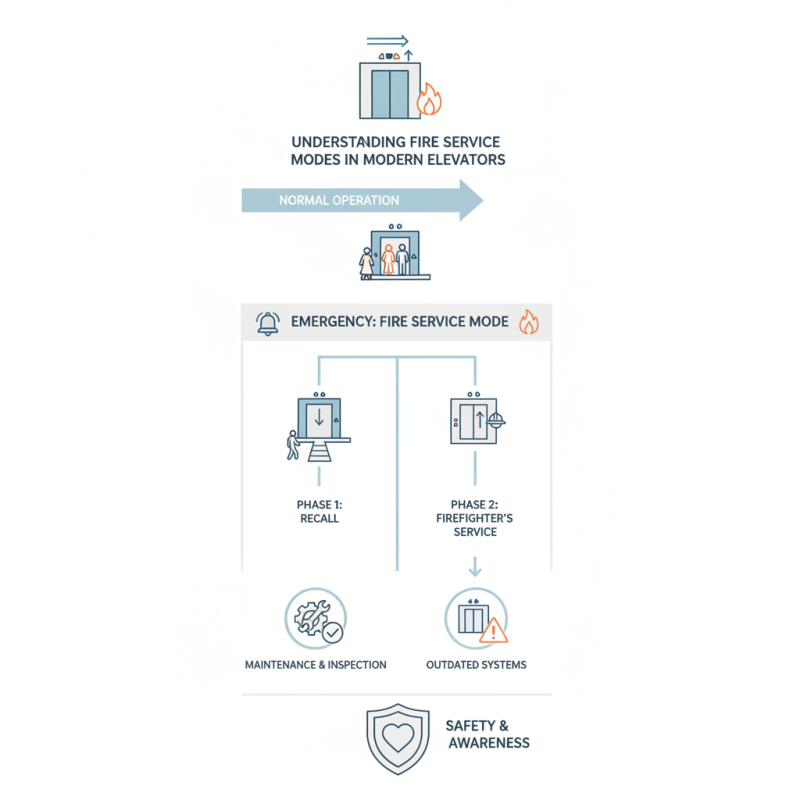
Fire service modes are designed to protect occupants and first responders. In emergencies, elevators can be programmed to travel to a designated floor or return to a specific landing. This mechanism reduces the risk of individuals becoming trapped. Nonetheless, the effectiveness of these systems can vary based on installation and maintenance standards. It's vital to ensure these features are working properly, as failure can be catastrophic.

While regulations ensure a baseline for safety, not all elevators meet them. Outdated systems may not feature advanced fire service modes. This inconsistency highlights the importance of regular inspections and updates. Fire safety is everyone's responsibility, and understanding how modern systems operate gives users confidence in their safety during emergencies. Awareness is the key to preparation and survival.
Understanding Fire Service Modes in Modern Elevators?

Understanding the Basic Concepts of Fire Service Modes in Elevators

Fire service modes in modern elevators play a critical role in safety during emergencies. Understanding these modes is essential for both elevator operators and first responders. When activated, fire service mode can alter the elevator's operation. This ensures it is not used during a fire or emergency situation, thereby preventing additional hazards.

Typically, there are two primary fire service modes: Phase I and Phase II. Phase I activates automatically when smoke detectors in the building detect smoke. The elevator returns to a designated floor, often the ground floor, which helps maintain a safe environment for evacuation. Phase II requires firefighters to operate the elevator manually. This allows trained personnel to control the elevator's movements effectively and reach people who may be trapped.

Tips:
Ensure that all personnel are trained on fire service protocols. Regular drills can enhance responsiveness during real emergencies. Updating fire service systems and equipment regularly is crucial. Data shows that buildings with updated fire systems can reduce response times by up to 30%. Recognizing the limitations of any system is critical. Not all elevators are equipped with modern fire service capabilities, and that's an area needing improvement.

Types of Fire Service Modes: Phase I and Phase II Explained

Fire service modes are crucial in modern elevators for enhancing safety during emergencies. Two primary modes are Phase I and Phase II, each serving distinct purposes. Phase I is activated by firefighters to control the elevator system. This mode prevents the use of elevators during a fire emergency, directing them to the designated ground floor. Firefighters can then use the elevator safely for rescue or firefighting operations.
Phase II allows trained personnel, such as firefighters, to operate the elevator manually. This mode gives them full control of the elevator's movements. It includes the ability to bypass fire service restrictions and travel to specific floors as necessary. Elevators in this mode can be essential for accessing fire-affected areas quickly.
Tips: Always ensure your staff understands these modes. Regular training can help prevent confusion during emergencies. Install clear signage near elevator controls to guide the response team. Test the elevator's fire service functionality routinely. Familiarity with these systems can save lives.

How Fire Service Modes Enhance Elevator Safety During Emergencies

Fire service modes in modern elevators play a crucial role in enhancing safety during emergencies. These modes allow elevators to bypass normal functions and become tools for firefighters. When activated, elevators can be directed to specific floors, ensuring safe access for rescue teams. This system reduces potential hazards for both occupants and emergency responders.

In a fire emergency, every second counts. Elevators equipped with fire service modes can prevent delays. They help transport injured individuals quickly. Yet, there are challenges. Some operators may not fully understand how to use these modes effectively. Training and awareness can be inconsistent across different regions. This gap in knowledge may lead to unintended consequences during critical moments.

It’s vital for building management to prioritize fire service training. Regular drills can familiarize staff with proper procedures. Real-life scenarios help them respond effectively to emergencies. Implementing these practices fosters a safer environment for all. Awareness is not just about equipment; it's about empowering people. The goal is to create a resilient community ready to tackle emergencies head-on.

Operational Guidelines for Fire Fighters Using Elevators in Emergencies

When responding to fire emergencies, firefighters must rely on elevators carefully. Understanding the operational modes of modern elevators is essential. Elevators can operate in different scenarios, such as fire service mode and regular service mode. Each mode serves a unique purpose during emergencies.

Firefighters often need to access upper floors swiftly. However, using elevators in a fire situation comes with risks. Emergency responders must check the building's fire service plan to ensure they utilize the elevators safely. Not all elevators are designed for fire service, and regional training can vary significantly. Familiarity with local equipment and procedures is vital for effective response.

Firefighters face many unknowns. It is essential to evaluate the situation before entering an elevator. Situational awareness can prevent dangerous choices. There may be instances where elevators malfunction or become sources of additional danger. Conversely, they can provide quick access to areas that need immediate attention. This duality underlines the importance of thorough training and clear communication among team members. Adapting to each unique emergency is key to ensuring safety while serving the community.

Future Trends in Elevator Fire Service Technology and Safety Protocols

Elevator fire service technology is evolving rapidly. Modern systems now incorporate advanced sensors and IoT connectivity. These improvements enhance safety protocols during emergencies. First responders can receive real-time data about elevator status and occupancy. This information helps them make informed decisions quickly.

This shift toward smart technology presents new challenges. Data security is a major concern. If systems are compromised, the risk to public safety increases. Training for both elevator operators and firefighters must evolve as well. Understanding these technologies is crucial for effective emergency response. Many professionals may still lack complete knowledge of these new systems.

The integration of fire service modes in elevators requires continual assessment. As technology progresses, updating protocols is vital. Ensuring consistent training will address gaps in knowledge. New safety features will maximize efficiency but may also introduce complexities. Balancing innovation with reliability will be key to future safety measures.

Understanding Fire Service Modes in Modern Elevators

Fire Service Mode Description Safety Features Future Trends
Phase 1 Normal service with fire fighters' control. Elevator recalls to the designated floor; alerts fire department. Integration with smart building systems for better communication.
Phase 2 Firefighters control elevator operation. Manual control over direction and floor selection; overrides emergency settings. Enhanced communication between elevators and fire control systems.
Emergency Return Automatically returns elevator to a safe location during emergencies. Sensing smoke or heat; RF communication with fire alarms. Advanced sensors for quicker response times and accuracy.
Standby Mode Keeps elevator in a non-active state until needed. Reduced power consumption and improved maintenance. Smart algorithms to decide when to switch modes based on fire alerts.

FAQS

: What are the two primary fire service modes in elevators?

: The two primary modes are Phase I and Phase II. Phase I activates automatically, while Phase II is manually operated by firefighters.

How does Phase I operation work during a fire?

Phase I activates when smoke detectors sense smoke, returning the elevator to a safe floor, typically the ground.

Why is Phase II important for firefighters?

Phase II allows trained firefighters to manually control the elevator, helping them reach trapped individuals efficiently.

What should building management prioritize for safety?

Building management should prioritize fire service training and regular drills for all personnel.

What difficulties do operators face during emergencies?

Operators may not fully understand fire service modes, possibly leading to errors in critical situations.

How can regular drills improve response times?

Regular drills can familiarize staff with procedures, reducing confusion and enhancing response times in real emergencies.

Why is situational awareness crucial for firefighters?

Situational awareness helps firefighters evaluate risks, ensuring they make safe decisions when using elevators.

What challenges do firefighters encounter with elevators?

Elevators can malfunction or pose additional dangers during fires, so careful evaluation is necessary before use.

How can buildings enhance fire service systems?

Regular updates to fire service systems and equipment can significantly reduce response times during emergencies.

What is often lacking in fire service training?

Knowledge about fire service protocols can vary greatly, highlighting the need for consistent training across regions.

Conclusion

The article "Understanding Fire Service Modes in Modern Elevators" delves into the essential concepts associated with fire service modes, focusing particularly on how these mechanisms improve safety during emergencies. It articulates the differences between Phase I and Phase II fire service modes, explaining how fire service modes work in modern elevators to facilitate safer evacuation and access for firefighters. By implementing these modes, elevators can be programmed to respond to fire alarms, allowing them to either return to the ground floor or remain in a designated floor for firefighting operations.

Furthermore, the article outlines operational guidelines that firefighters should follow when utilizing elevators during emergencies, enhancing their efficiency and safety while navigating a potentially hazardous environment. Looking ahead, it discusses emerging trends in elevator fire service technology and safety protocols, highlighting advancements aimed at increasing overall effectiveness and reliability.

Ethan

Ethan

Ethan is a seasoned marketing professional with a deep expertise in our company's innovative product line. With a passion for sharing knowledge and insights, he takes the lead in regularly updating our corporate blog, where he explores industry trends, product features, and effective marketing......