Why Is Elevator Traffic Flow Poor in High Rise Buildings?

Time:2026-09-27 Author:Charlotte
0%

Why Is Elevator Traffic Flow Poor in High Rise Buildings?

In a high-rise building, a slow elevator ride is rarely just a matter of speed. At 8:45 a.m., several cars may arrive together, fill with office workers, and leave residents waiting beside the lobby doors. The bottleneck often starts earlier: with how many people travel, when they travel, and where they need to go.

Elevator traffic consultant Dr. Gina Barney is widely associated with quantitative elevator traffic analysis. A useful principle from that work is: “Elevator performance depends on matching system capacity to the building’s traffic patterns.” This is a concise summary, not a verified direct quotation. That distinction matters when discussing technical advice.

Poor flow can stem from too few cars, uneven floor demand, long door times, or a single group serving every floor. Destination-control systems may reduce unnecessary stops, but they cannot fix every problem. A poorly configured system can confuse visitors or concentrate demand at certain elevators. Even small details matter: a slow-closing door, a crowded security checkpoint, or tenants arriving within the same ten-minute window.

The practical question is not merely how to make cars move faster. It is how to move people with fewer delays and clearer journeys. How to improve elevator traffic flow in high-rise buildings? Start with measured data: passenger counts, waiting times, trip patterns, and peak periods. Then compare those findings with the building’s layout and service needs. Some fixes are straightforward. Others require changes to controls, tenant schedules, or elevator capacity. And sometimes, the first diagnosis is wrong. That is worth checking.
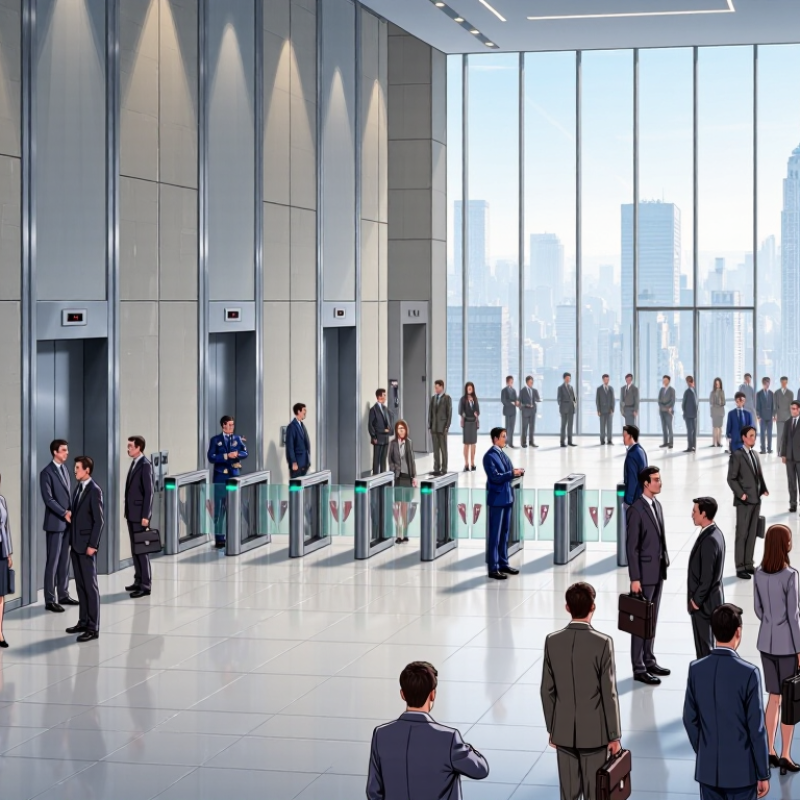
Why Is Elevator Traffic Flow Poor in High Rise Buildings?

What Elevator Traffic Flow Means in High-Rise Buildings

In a high-rise building, elevator traffic flow describes how people move between floors using the available lifts. It includes more than waiting time. The number of passengers, their destinations, and the timing of their trips all affect how smoothly the system works. A crowded lobby at 8:30 a.m. tells only part of the story.

During the morning rush, many residents and workers travel upward from the lobby, often stopping on several floors. At lunchtime, movement may spread across more destinations. Building managers and elevator consultants study these patterns through passenger counts, travel times, and peak-period observations. They may compare average waits with longer delays, since averages can hide an unpleasant queue. Small details matter. A service lift sharing space with passenger traffic can also change what people experience. So can a sudden group leaving a meeting on one floor.

Good traffic flow does not mean every elevator arrives instantly. It means the system carries people with reasonable waits, manageable crowding, and predictable service for the building’s daily needs. The right measures depend on occupancy, floor layout, and operating schedules. There is no single number that describes every tower. And observations can be imperfect: a few unusually busy days may not represent normal use. Careful measurement over time gives a more useful picture.

How Passenger Demand Creates Vertical Transportation Peaks

Why Is Elevator Traffic Flow Poor in High Rise Buildings?

How Passenger Demand Creates Vertical Transportation Peaks

Elevator traffic often becomes poor because passenger demand arrives in sharp waves, not evenly throughout the day. At 8:30 a.m., dozens of people may enter a lobby within five minutes. Many request the same upper floors, creating a heavy upward peak.

The pattern changes after lunch. Short trips increase, while service and delivery movements compete for the same cars. At closing time, passengers leave in another concentrated wave. A lift that feels empty at 10:00 a.m. may become crowded within minutes.

In building assessments, traffic engineers examine arrival rates, average waiting time, car capacity, and floor destinations. They may use simulation models to test different demand patterns. However, models depend on reliable data. A neat spreadsheet can still miss school holidays, shift changes, weather, or an unexpected meeting ending.

Small details matter. One crowded turnstile can delay the whole lobby. Passengers also press buttons repeatedly, which adds confusion but rarely improves service. Clear destination grouping can reduce unnecessary stops. It cannot eliminate demand peaks.

The difficult point is timing.

Designers often plan around average traffic. Real passengers do not behave like averages. They arrive together, hesitate, change floors, and sometimes ignore recommended routes. Better performance requires measured building data, realistic peak assumptions, and regular review after occupancy begins. Even then, the result may remain imperfect.

How Building Design Affects Elevator Movement

Why Is Elevator Traffic Flow Poor in High Rise Buildings?
How Building Design Affects Elevator Movement

Elevator delays often begin before anyone presses a button. A narrow lobby can crowd quickly when several offices release workers at once. Long corridors may also funnel people toward the same bank of elevators. These small layout choices shape traffic every day. In tall buildings, placing all elevators near one entrance can create a bottleneck, even when the cars are fast. Floor plans matter.

Building height and use matter, too. A tower with shops, offices, and apartments may have very different peak periods. If every elevator serves every floor, frequent stops can slow journeys for everyone. Dividing service into zones can reduce unnecessary stops, but poor placement of transfer lobbies may simply move the crowd elsewhere. Designers should assess arrival patterns, floor populations, and accessible routes together. A simulation helps, but it can miss unpredictable bursts. Real buildings are messy.

Tips: Keep elevator lobbies visible and roomy, and avoid placing doors beside narrow turns. Separate major destinations where practical. Review actual wait times after opening; the original plan may need adjustment. A few seconds saved per trip can make the lobby feel noticeably calmer.

Why Is Elevator Traffic Flow Poor in High Rise Buildings? - How Building Design Affects Elevator Movement

Building design factor How it affects elevator movement Common traffic symptom Design response
Insufficient elevator handling capacity The number, capacity, and operating speed of cars may not match the building’s population and peak travel demand. Long queues and crowded cars during concentrated arrival, departure, or lunch periods. Estimate population and peak demand early; assess group size, car capacity, and service strategy together.
Too many floors served by one group Frequent stops across a broad floor range increase round-trip time and can reduce the number of passengers carried per trip. Slow service and uneven waiting times, especially during up-peak traffic. Consider separating service into floor zones where building height and traffic patterns justify it.
Unbalanced floor populations Floors with higher occupancy or concentrated destinations create localized demand that a uniformly planned system may not handle well. Some floors experience repeated full cars while others receive adequate service. Use floor-by-floor occupancy and destination patterns when planning car allocation and zoning.
Poorly placed or undersized lobbies Restricted waiting and circulation areas can obstruct passenger movement to and from elevator doors. Congestion at landings, slow boarding, and blocked circulation routes. Coordinate lobby size, door locations, approach paths, and accessible circulation with expected passenger volumes.
Single-car service for a busy floor or zone A car serving a high-demand destination can become a bottleneck when other cars do not serve the same floors. Long waits for particular floors despite apparently available capacity elsewhere. Review service coverage and redundancy for high-demand floors and critical building uses.
Mixed passenger and service traffic Deliveries, maintenance, and passenger trips can compete for the same cars and landing space. Unexpected delays during delivery periods and interference with passenger boarding. Provide suitable service access and coordinate delivery schedules and operating procedures.
Uncoordinated elevator controls Poor call allocation can send multiple cars to the same demand while leaving other requests waiting. Unnecessary stops, uneven car loading, and inconsistent response times. Select and configure group control appropriate to the traffic profile; review performance using operational data.
Destination patterns not considered A design based only on total floor area can miss peak flows such as morning arrivals, inter-floor travel, or event traffic. Queues form at predictable times even when average daily demand appears manageable. Analyze expected origins, destinations, and time-of-day patterns during planning and after occupancy.

Note: These are general design relationships. Actual elevator performance depends on occupancy, traffic patterns, car specifications, control settings, and operating conditions.

Why Elevator Systems Become Inefficient During Busy Periods

During busy periods, elevator demand rarely arrives at a steady pace. Several residents may reach the lobby just after a train or school bus arrives. A car fills quickly, while people on upper floors watch it pass. The problem is not always a shortage of elevators. Uneven arrival patterns and repeated stops can use capacity poorly.

Every stop adds time. Doors open, passengers step out, and others wait for space. A crowded car may need extra time for boarding, especially when bags or mobility devices are involved. Even a brief delay can affect later trips. One open door held for a late passenger may seem minor, but the next car can arrive already full. Small delays stack up.

Building layout also matters. In a tower with many floors, serving every floor on every trip can create long journeys and uneven service. Grouping destinations or separating service by floor zones may help, but no approach works equally well in every building. Managers can compare lift-use records with busy-hour observations, including queues and door delays. Records miss some details, though. A short queue can still feel frustrating when people cannot see when the next car will arrive.

Methods for Improving Elevator Traffic Flow in High-Rise Buildings

High-rise elevator traffic improves when systems match the building’s daily rhythm. Building managers can review destination patterns from entry logs, lobby observations, and tenant feedback. A sharp queue at 8:30 a.m. may call for different settings than a lunchtime rush. Small details matter: one crowded lobby bank can slow an entire tower.

Destination-control systems group passengers traveling to similar floors, reducing unnecessary stops. They work best when signs are clear and residents understand where to enter their floor. For buildings with steady peak traffic, express elevators can serve lower and upper zones, while local elevators handle floors within each zone. This can shorten trips, but poor zone boundaries may leave some floors waiting longer. Measure before changing the layout.

Maintenance and operating adjustments also help. Technicians should check door timing, sensor function, and car availability, since a slow door can add minutes during heavy use. Managers can stagger staff shifts or encourage flexible start times, easing the morning surge without major construction. It is not a perfect fix. A short pilot, followed by queue-time checks and rider feedback, can reveal what actually works in that building.

Why Elevator Traffic Flow Is Poor in High-Rise Buildings

Peak demand, uneven passenger arrivals, and inefficient grouping can increase waiting. This illustrative simulation compares average peak-period waiting time under common traffic-management approaches; values are modeled examples, not measured field results.

How to improve flow: destination dispatch groups passengers traveling to similar floors; floor zoning reduces unnecessary stops; and staggered start times help spread demand. Actual results depend on building population, elevator capacity, and traffic patterns.

FAQS

Why does elevator traffic become crowded during certain periods?

Passenger demand arrives in sharp waves, not evenly. Dozens of people may enter within five minutes at 8:30 a.m.

Is a shortage of elevators always the main problem?

Not always. Uneven arrivals, repeated stops, and slow boarding can waste available capacity.

How do repeated elevator stops affect waiting time?

Every stop adds door-opening and boarding time. Small delays can stack up across several trips.

Why can an elevator feel empty at 10:00 a.m. but crowded later?

Demand changes quickly. Lunch trips, delivery movements, and closing-time departures create different traffic peaks.

What building details can make elevator service worse?

A crowded turnstile may delay the lobby. Long towers also create extended journeys between widely separated floors.

Can grouping floors improve elevator performance?

Destination grouping may reduce unnecessary stops. However, it cannot remove heavy demand during a concentrated peak.

What information should managers review?

They should examine arrival rates, waiting times, car capacity, destinations, queues, and door delays. Records alone miss some details.

Why can traffic simulations produce imperfect results?

Simulations depend on reliable data. School holidays, weather, shift changes, and unexpected meetings may be missing.

Do passengers always follow efficient elevator routes?

No. They may hesitate, change floors, or press buttons repeatedly. Better planning still needs regular review after occupancy begins.

What is the hardest part of managing elevator traffic?

Timing. Real passengers do not behave like averages, so even a careful design may remain imperfect.

Conclusion

Elevator traffic flow in high-rise buildings describes how efficiently passengers move between floors. It depends on the timing and volume of passenger demand, the layout and height of the building, the location of entrances and destinations, and the number and capacity of elevators. Morning arrivals, lunch breaks, and evening departures can create sharp peaks, leading to long waits, crowded cars, and uneven service across floors.

During busy periods, frequent stops, poorly distributed demand, and limited elevator capacity can make journeys slower and less predictable. How to improve elevator traffic flow in high-rise buildings? Building managers can study passenger patterns, coordinate elevator dispatching, group service by floor zones, and adjust operating schedules to match peak demand. Clear guidance and thoughtful building planning can also help passengers distribute more evenly, reduce unnecessary stops, and make vertical transportation smoother.

Charlotte

Charlotte

Charlotte is a seasoned marketing professional with a deep understanding of the company's portfolio and a passion for elevating its presence in the market. With a keen eye for detail and a commitment to excellence, she ensures that our professional blog is regularly updated with insightful articles......