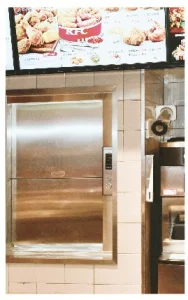
Explore our flagship configurations engineered for commercial kitchen installations, modern villas, heavy-duty industrial warehouses, and specialized medical environments.
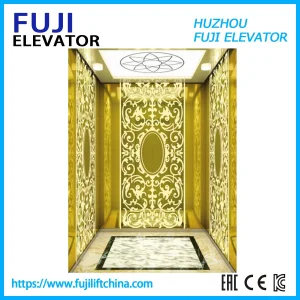
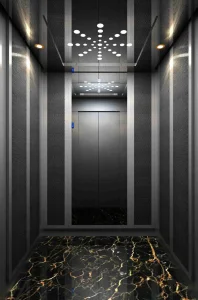
Analyzing structural shifts, regional demands, and engineering transitions within the vertical mobility supply chain.
The global lift and elevator market is undergoing a structural transition. Traditionally dominated by heavy, permanent architectural elevator systems, modern logistical, commercial, and residential spaces now demand increased modularity, rapid deployment, and space efficiency. This has fueled the growth of portable lifts, modular freight elevators, and shaftless home elevator systems. In the post-pandemic supply chain, industrial facilities require rapid, flexible warehouse logistics capable of shifting payloads up to 15 tons without requiring massive structural revisions to existing concrete foundations.
According to current market intelligence, the demand for vertical transportation systems is growing at a CAGR of 6.2% from 2024 to 2030. Key growth drivers include the rapid expansion of e-commerce warehousing, urban micro-fulfillment centers, aging demographics requiring accessibility modifications (such as wheelchair climbers), and high-density multi-story manufacturing complexes in emerging economies. By decoupling the elevator mechanism from extensive building shafts (via traction veneer systems and self-supporting hydraulic frames), manufacturers are enabling structural flexibility that translates directly to CAPEX and OPEX savings for enterprise operators.
Spotlight on Guangzhou DHI Lift Co., Ltd. - A Pioneer in Industry 4.0 Automation and Vertical Transportation.
China's Pearl River Delta remains the global epicentre for precision mechanical engineering and elevator assembly. Located at the heart of this hub, Guangzhou DHI Lift Co., Ltd. (established in 2016) exemplifies the transformation from standard industrial manufacturing to high-tech digitalized production. Operating a modern manufacturing base with a construction area exceeding 45,000 square meters, DHI is a national A-level enterprise specialized in the design, manufacturing, installation, modernization, and maintenance of high-capacity vertical systems.
To achieve unmatched efficiency and structural consistency, DHI has actively phased out legacy machinery in favor of an advanced "Internet + Industry 4.0" smart factory. The deployment of automated robotic welding arms, precision laser cutters, and automatic plate shearers ensures that tolerance margins are kept well below 0.1mm. This degree of automation directly resolves the traditional QC bottlenecks that plague lower-tier manufacturers, reducing production lead times by up to 35% while providing complete material traceability under ISO9001, ISO14001, and ISO45001 management systems.
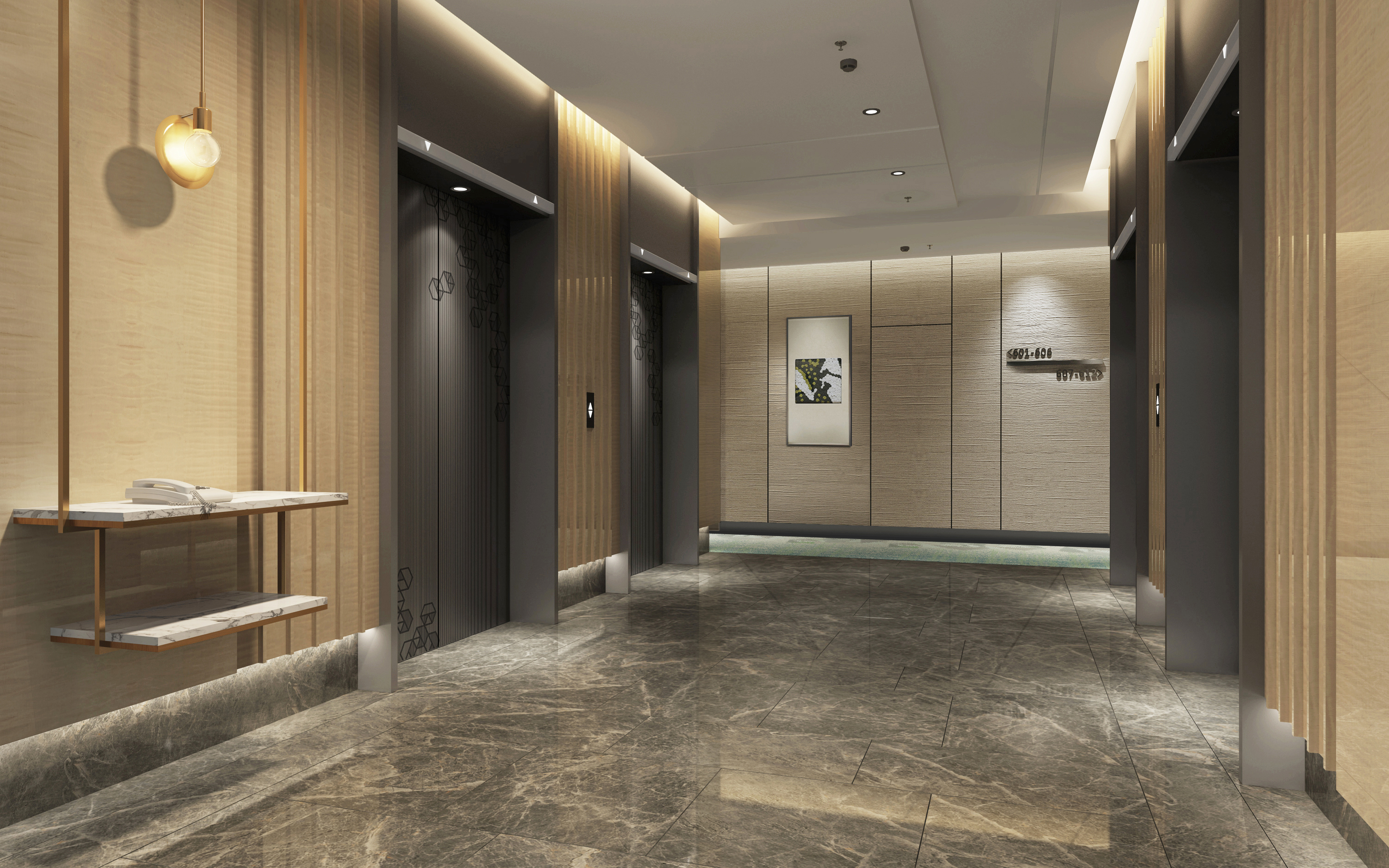
Inside the Industry 4.0 pipeline: How Guangzhou DHI Lift Co., Ltd. transforms raw structural steel into certified vertical logistics systems.
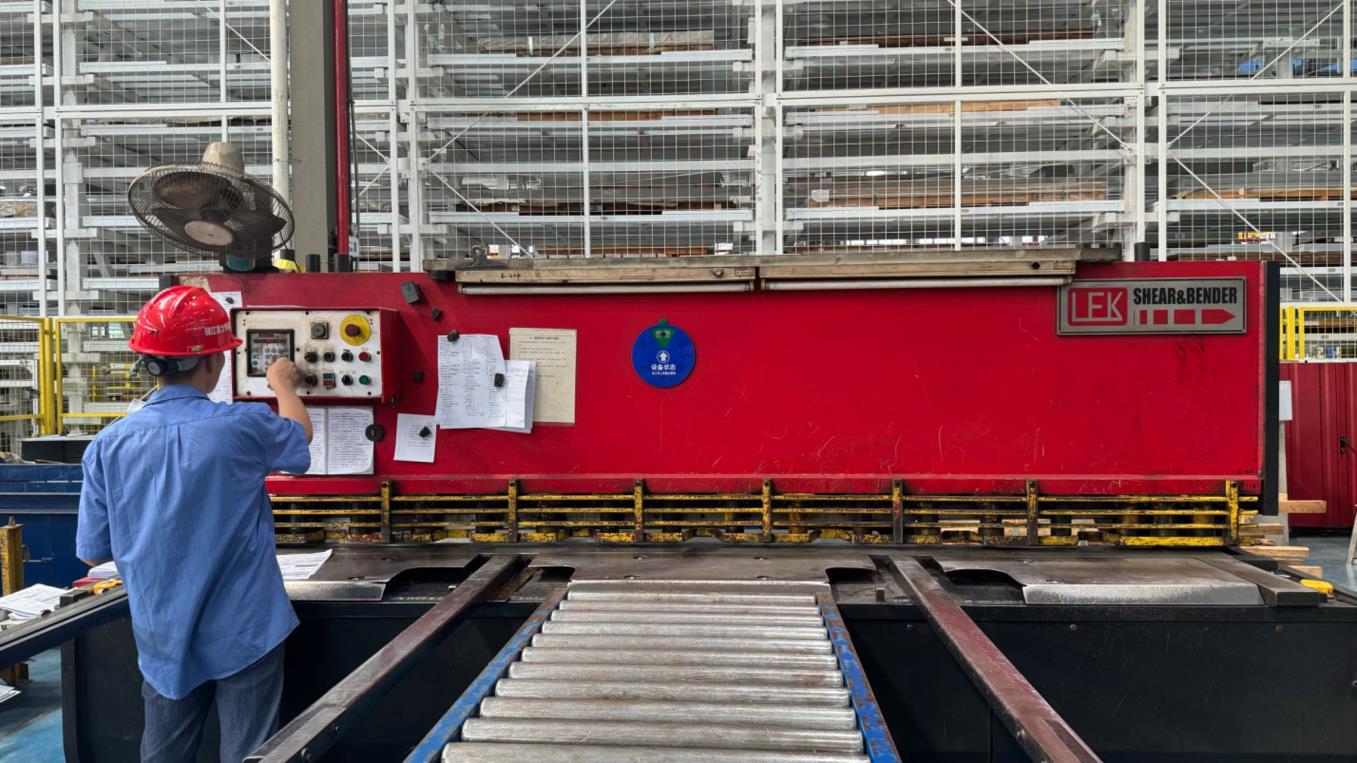
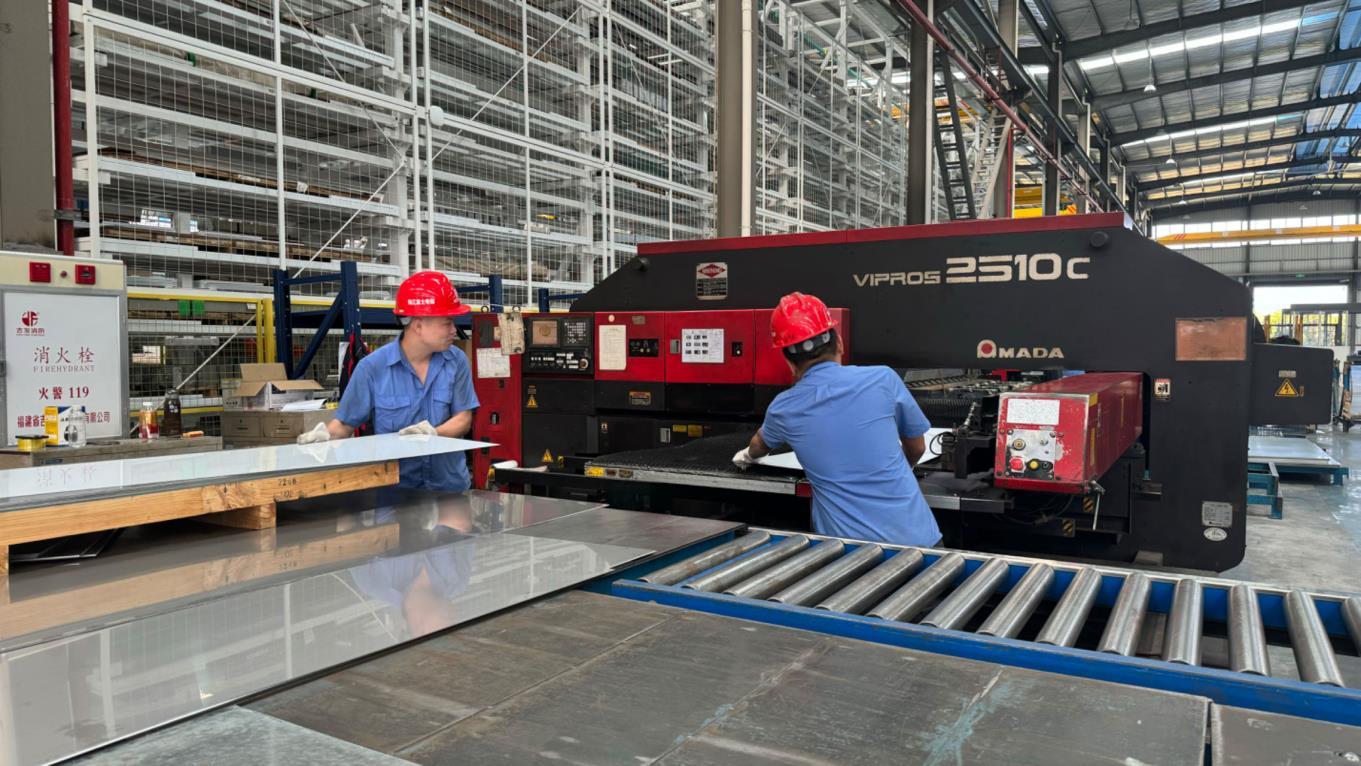
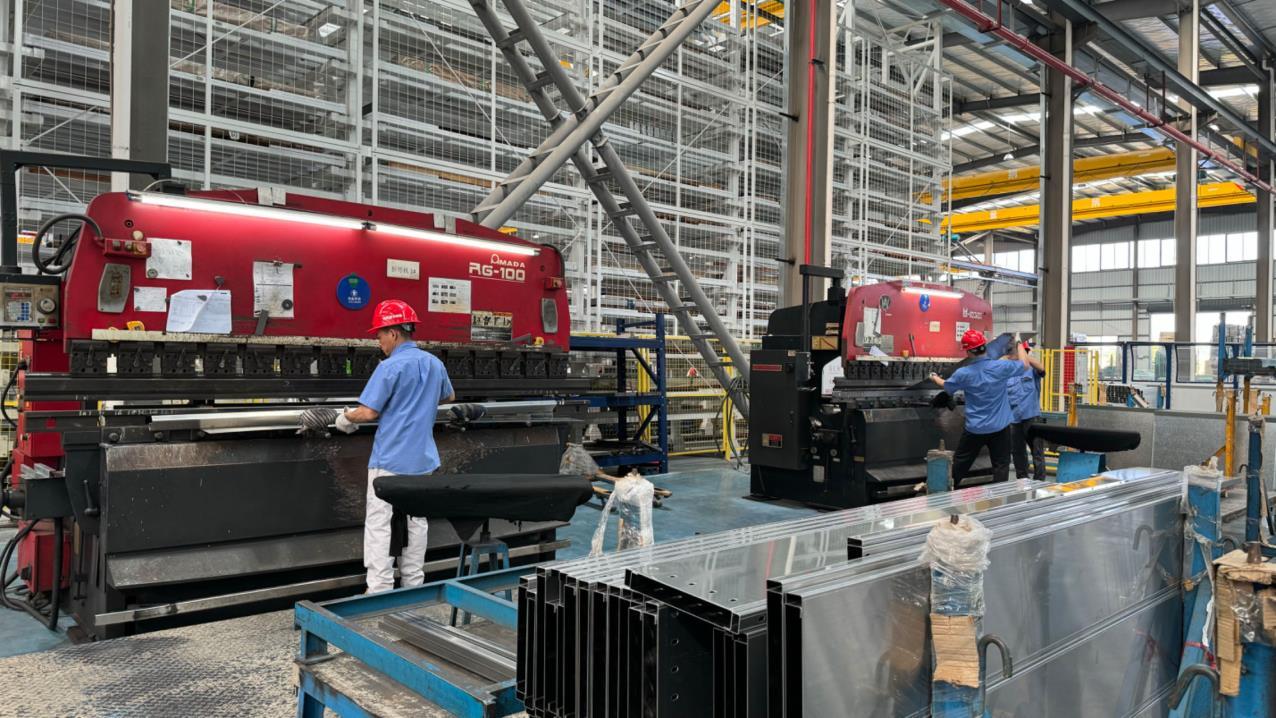
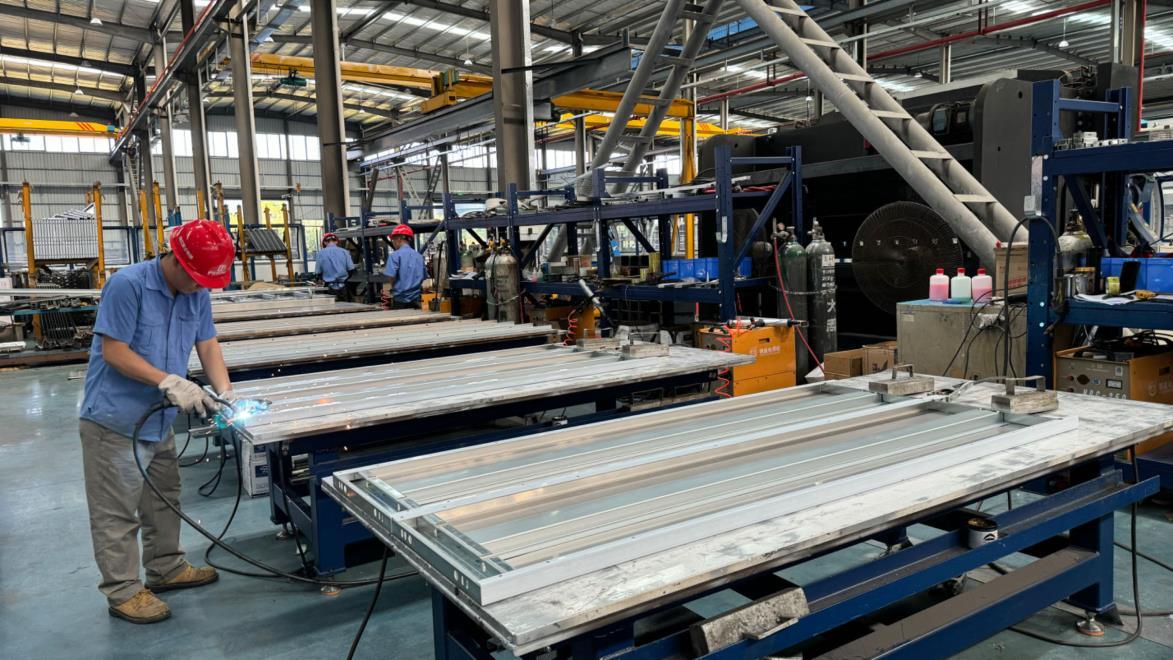
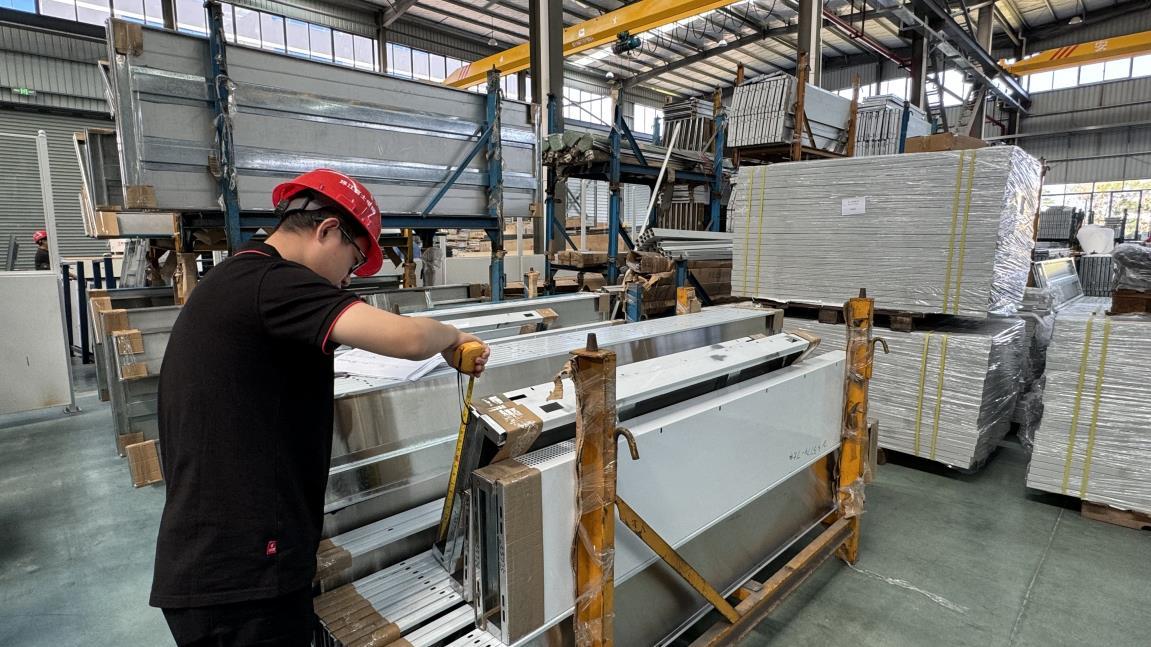
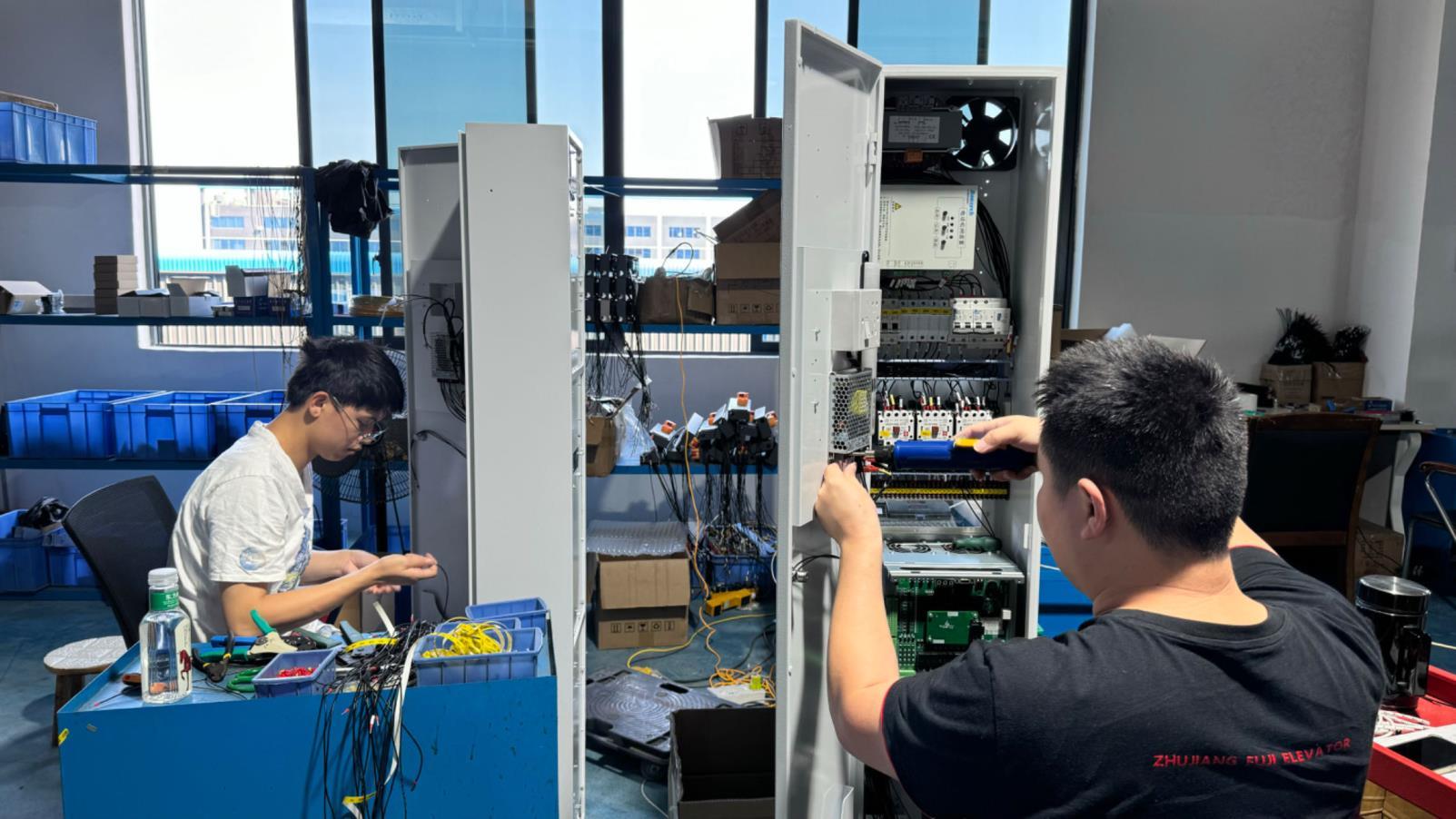
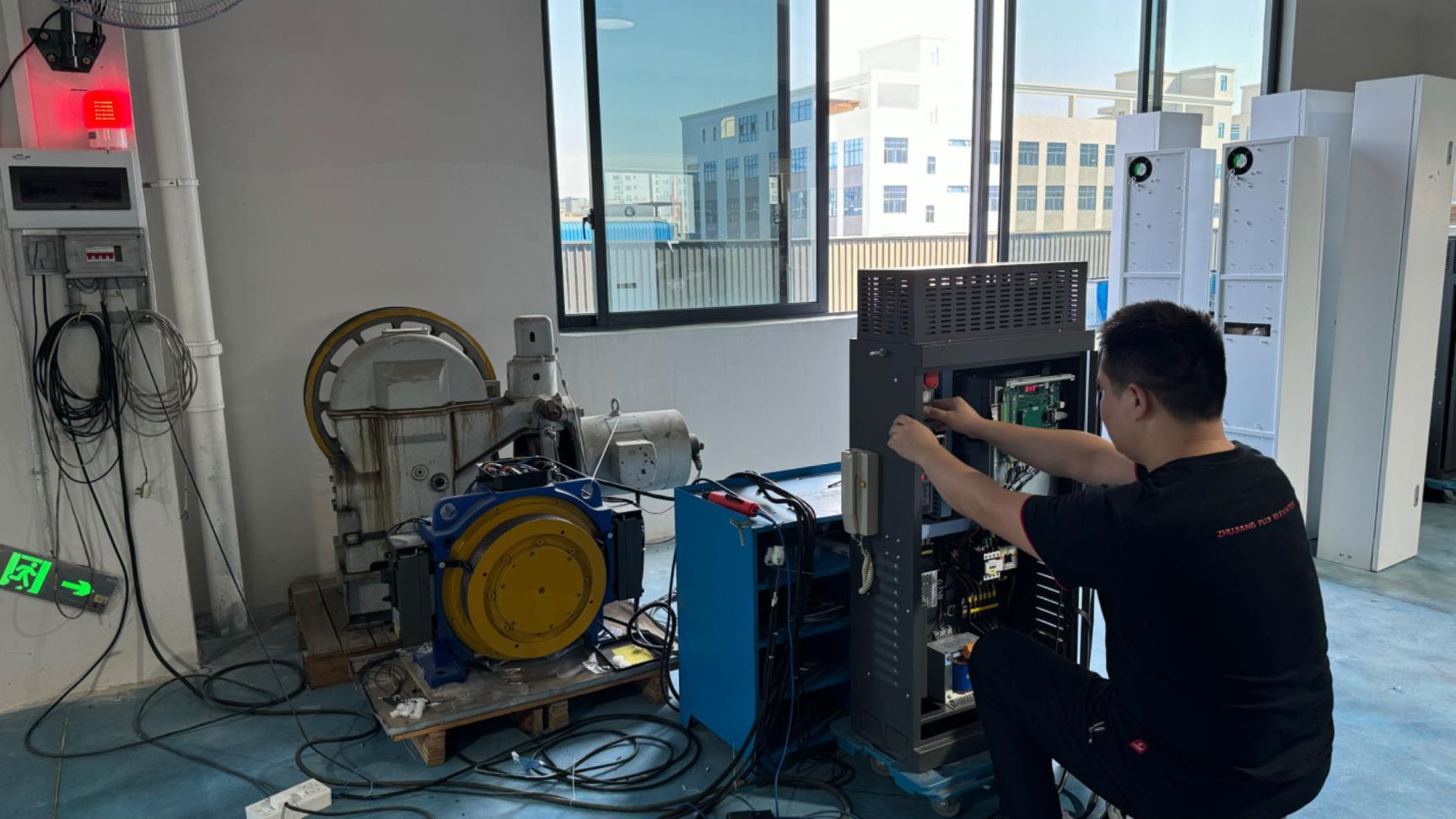
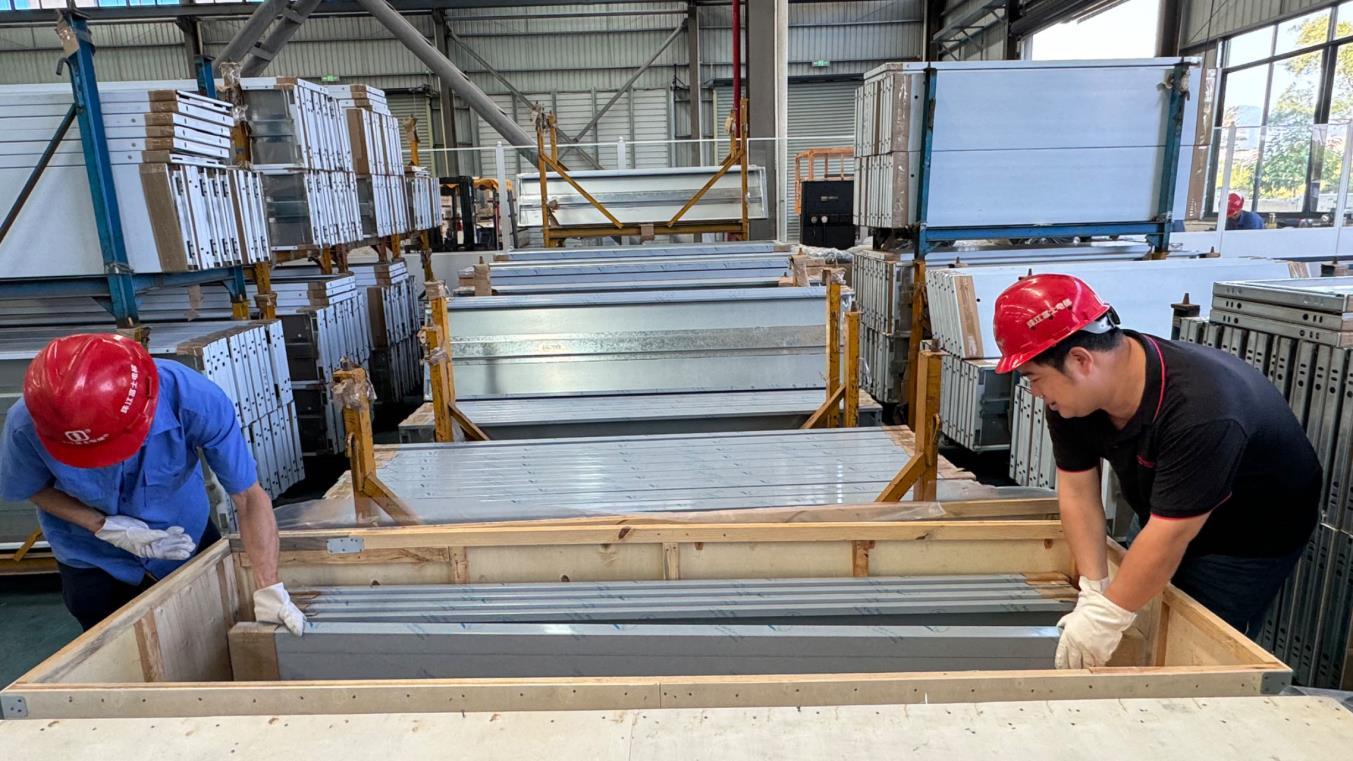
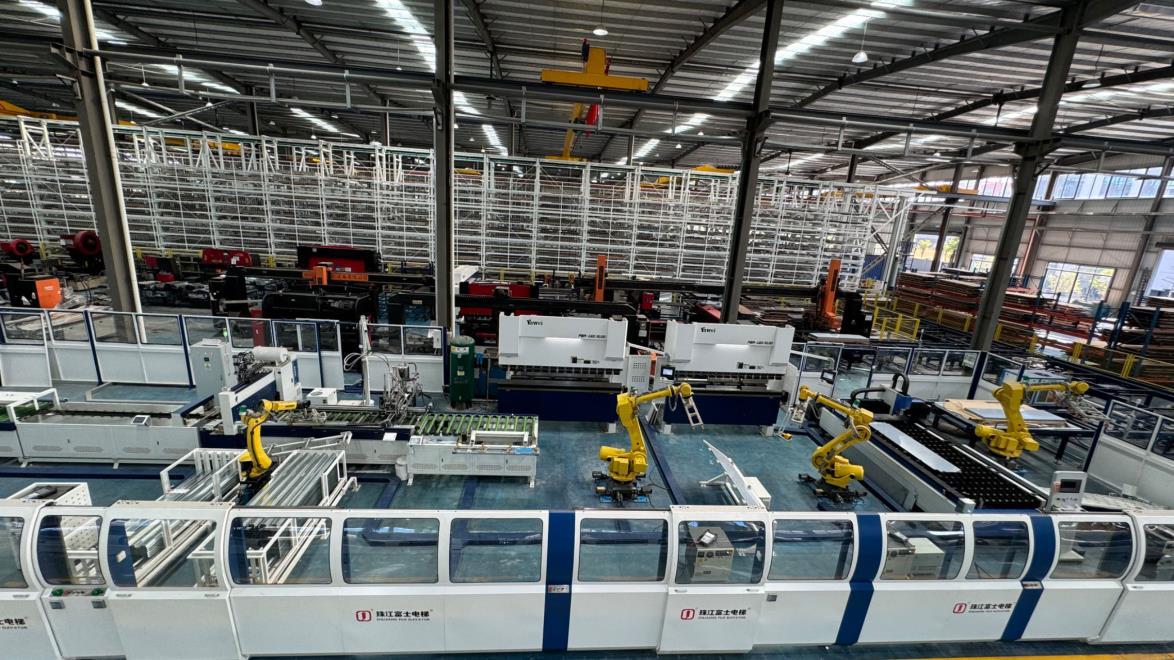
A-grade centralized control network linking all assembly, bending, and cutting terminals.
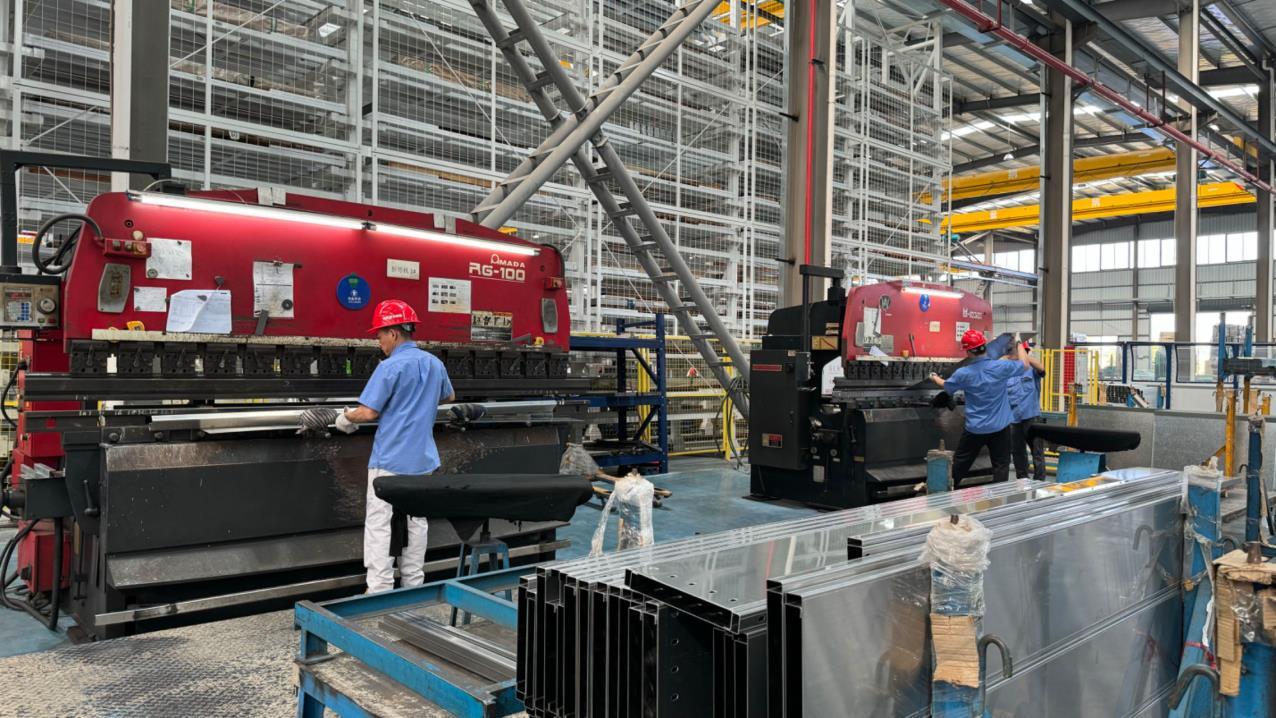
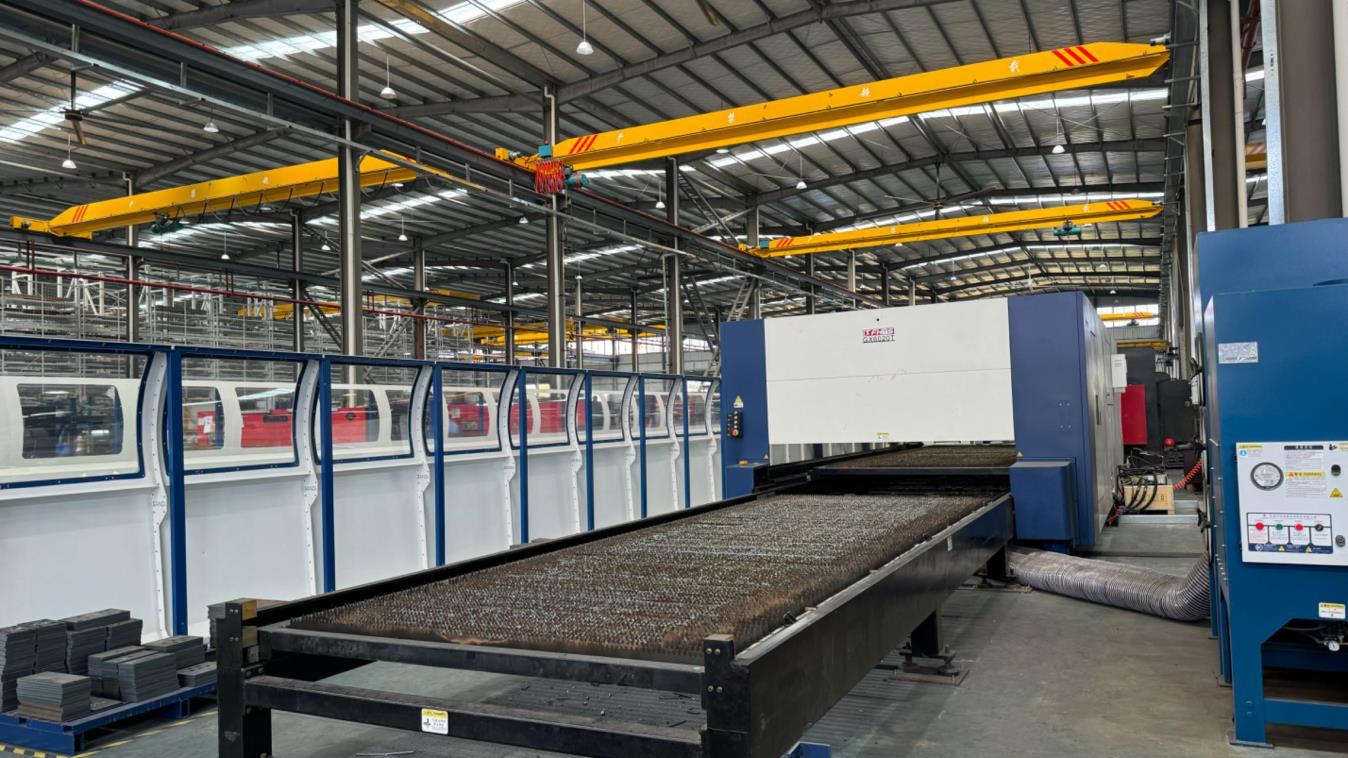
Primary assembly shop showing structural framework staging and mechanical system verification.
A comprehensive evaluation of the leading global manufacturers driving innovation, high structural integrity, and smart controls.
As the historical pioneer of safety-governed vertical mobility, Otis specializes in high-rise systems and carbon-belt driven elevators. Their recent focus includes building-integrated IoT ecosystems (Otis ONE) and modular cabin designs, making them a preferred choice for complex architectural frameworks.
DHI stands out as a leading OEM/ODM powerhouse in vertical mobility. Leveraging its 45,000 sqm smart factory, DHI specializes in high-load industrial warehouse cargo lifts (up to 15 tons), customizable traction villa elevators, and vacuum systems. Their competitive edge lies in the structural integration of CNC sheet-metal work, reducing costs while keeping tolerances under 0.1mm.
Schindler is a global leader in transit management systems, recognized for the PORT Technology. Their focus on sustainability includes regenerative drive systems that feed electricity back into the building’s power grid, widely adopted in transit hubs and commercial towers.
KONE changed the industry with the introduction of MonoSpace (machine-room-less) elevators. Driven by their carbon-fiber hoisting technology, KONE UltraRope, they excel in medium to ultra-high-rise residential applications, emphasizing energy efficiency and space savings.
Renowned for engineering some of the fastest vertical transit systems globally, Mitsubishi focuses on advanced active roller guides and aerodynamic cabin noise reduction. Their systems are highly regarded for structural longevity and smooth ride performance.
Formerly Thyssenkrupp Elevator, TKE is known for the TWIN system, which operates two independent cabins in a single shaft. They are highly active in the modular freight elevator space, serving heavy manufacturing plants and distribution hubs across the EU and Americas.
Fujitec is highly specialized in custom-designed systems for specialized architectural projects. They utilize advanced destination dispatch systems (FLEX-NX) and focus heavily on modernization projects for existing older elevator shafts.
Hitachi specializes in combining vertical engineering with digital analytics. Their proprietary AI controls analyze traffic patterns to optimize dispatch logic. They also manufacture large-scale heavy-duty freight elevators for regional transit terminals.
Toshiba is recognized for silent drive operation and magnetic brake redundancies. They provide specialized traction systems featuring low vibration levels and are widely used in prestigious corporate headquarters and hospitality chains.
Hyundai dominates the smart logistics space, integrating vertical lifts with automated guided vehicles (AGVs) in industrial warehouses. Their rapid installation processes minimize site downtime during retrofits.
Detailed technical specifications comparing modern lift driving mechanisms to assist in procurement decisions.
| Drive Mechanism | Ideal Payload Capacity | Installation Profile | Energy Efficiency Rating | Best Commercial/Industrial Use Case |
|---|---|---|---|---|
| Traction (Gearless PM Sync) | 300 kg to 2,000 kg | Structural Shaft Needed | High (Regenerative Power) | Multi-story Offices, High-End Villas, Hospitals |
| Electro-Hydraulic | 1,000 kg to 15,000 kg | Supported Frame (No pit needed) | Medium (Active Pump) | Heavy-Duty Freight, Warehouses, Auto Assembly Plants |
| Vacuum (Pneumatic) | 150 kg to 300 kg | Shaftless / Self-Supporting | Low to Medium | Residential Villas, Duplexes, Accessibility Retrofits |
| Screw & Nut Drive | 250 kg to 500 kg | Minimal Footprint | Medium | Wheelchair Access, Public Transit Footbridges |
How differing industry environments demand customized vertical lift structures and specialized mechanical safety limits.
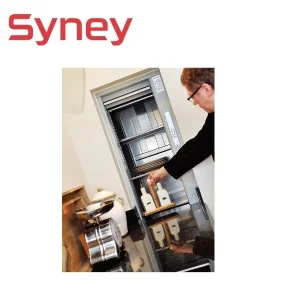
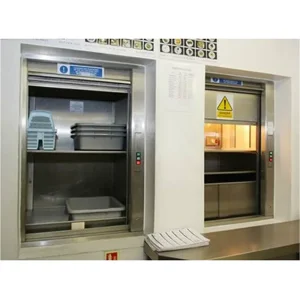
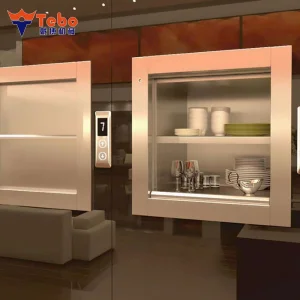
Designed for hotels, multi-tier restaurants, and dining halls, these 300kg class kitchen lifts feature food-grade SUS304 stainless steel cabins. They prevent thermal loss during food transit, separate culinary logistics from customer spaces, and operate with smooth-start profiles to avoid liquid spillage.
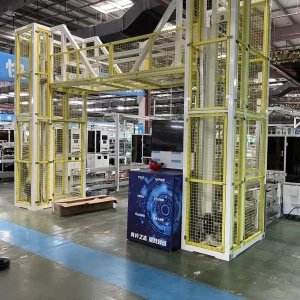
Configured for 5-ton, 10-ton, and 15-ton payloads, these rail-mounted electro-hydraulic elevators are designed for raw material handling in factories and warehouses. They utilize thick structural channel steel guides and multi-stage cylinder rams to prevent deck tilting during forklift loading.
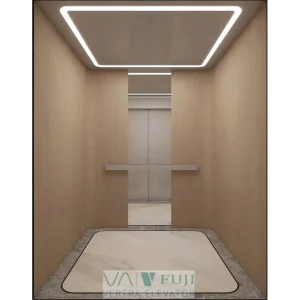
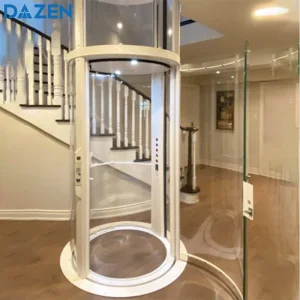
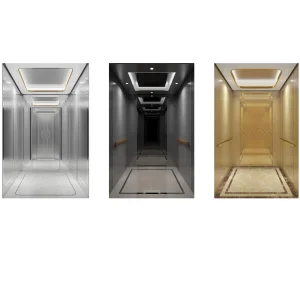
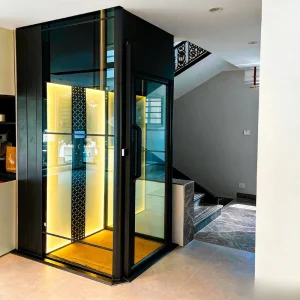
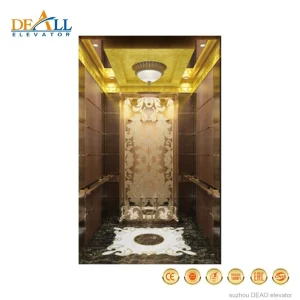
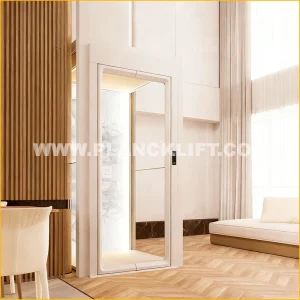
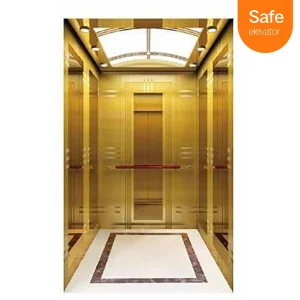
Featuring wooden cabin designs or panoramic glass structures, these villa lifts operate on silent gearless traction drives. Engineered for low-noise residential environments, they integrate directly into narrow, shaftless spaces, ensuring safety without altering home aesthetics.
How digital integration, green power, and proactive diagnostics are reshaping global vertical lift safety and operations.
Modern vertical lifts are moving away from reactive maintenance schedules. By mounting vibration sensors, thermal couplers on PM motors, and cycle counters linked to the cloud, systems can detect wear on steel cables or guide rails, scheduling maintenance before downtime occurs.
With global green building codes like LEED and BREEAM, lifts are turning into micro-generators. When a heavily loaded cabin travels downward, or an empty cabin moves upward, gravity does the work. PM gearless drives convert this mechanical energy back into electricity, reducing building energy consumption.
The cost of concrete shaft construction is a major project bottleneck. Future designs prioritize self-supporting structural metal frames. These structures can be bolted directly onto existing concrete slabs in under 72 hours, reducing onsite engineering overheads.
Key parameters that procurement directors must verify before signing supply agreements with international manufacturers.
When sourcing industrial cargo lifts or specialized passenger lifts from global suppliers, procurement departments should verify several key operational parameters to ensure long-term compliance and safety:
Answering the most critical technical questions raised by structural architects, warehouse managers, and residential developers.
Traction lifts use a counterweight system driven by a Permanent Magnet (PM) synchronous motor and steel/polyurethane belts. They offer high travel speeds, smooth acceleration, and low energy consumption. However, they require a structural shaft and machine room space or overhead clearance. Hydraulic lifts use an active fluid pump to push a piston, offering high load-bearing capacity (up to 15 tons) without requiring overhead space. They are ideal for heavy-duty freight but have lower travel speeds and consume more energy during upward travel.
Traditional elevators require a deep concrete pit (typically 1.2 meters) and a dedicated structural shaft. Shaftless panoramic home elevators use self-supporting glass or metal alloy frames that bolt directly onto the floor slab. They have minimal pit requirements (as low as 50-100mm) or can be installed with a small ramp. This eliminates the need for expensive structural renovations, allowing installation in stairwell centers or room corners.
For the European Union, lifts must carry the CE mark, complying with the Machinery Directive 2006/42/EC or the Lifts Directive 2014/33/EU (specifically standards EN 81-20 and EN 81-50). For North America, certification under ASME A17.1/CSA B44 is required. These certifications ensure that safety components—such as progressive safety gears, overspeed governors, door interlocks, and hydraulic rupture valves—undergo testing for reliability.
Kitchen dumbwaiters isolate food transportation from guest areas, preventing contamination. Built with SUS304 stainless steel cabins, they are easy to clean and resist food acids. Operating with a variable-frequency drive (VFD), they start and stop smoothly to prevent spills, and their sealed cabins help maintain food temperature during transport.
Permanent Magnet (PM) gearless motors eliminate the energy loss associated with traditional worm-gear reduction gearboxes, achieving mechanical efficiency rates over 90%. They run cooler, require no gear oil, and can be paired with regenerative drives to return up to 30% of energy back to the building grid during deceleration or downward travel.
DHI uses finite element analysis (FEA) to design reinforced platform frames with heavy-duty structural steel. Their systems feature multiple steel cable backups, hydraulic pressure relief valves, burst valves to prevent sudden drops if a line leaks, and progressive safety gears that lock the cabin to the guide rails if overspeed is detected.
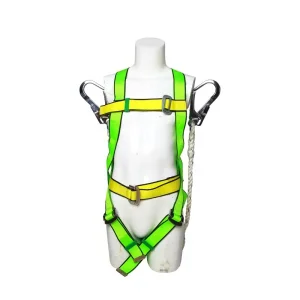
Safety harnesses used for elevator installation must meet international standards (like EN 361 or ANSI Z359.11). They must feature a full-body design, rear and chest D-rings for fall arrest, quick-adjust buckles, and energy-absorbing lanyards. Lanyards should be rated for the installer's weight, including tools, and must be anchored to certified anchor points in the shaft.
With proper maintenance, a high-quality vertical lift has an operational lifespan of 20 to 25 years before requiring modernization. Preventive maintenance should occur monthly to check door interlocks, clean guide rails, and test the safety gear. Annual inspections should include load testing, oil analysis for hydraulic systems, and cable wear measurements.
From large-capacity factory cargo systems to residential stair climbers and professional safety harnesses.
 DHI Lift