 DHI Lift



Deep Dive: The Future of Service Elevators in Global Logistics
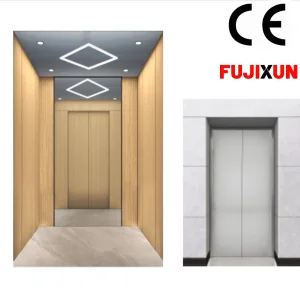
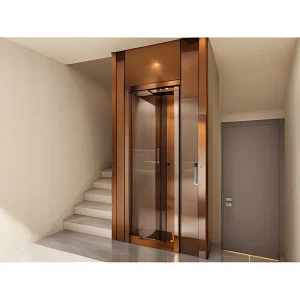
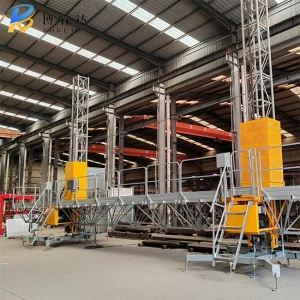
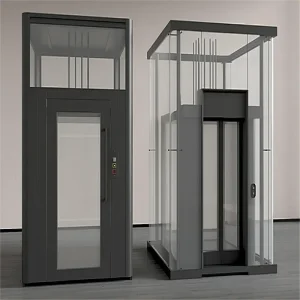
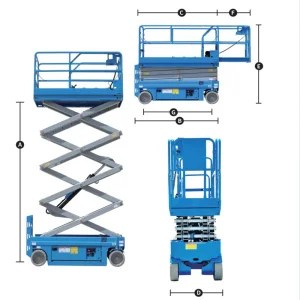
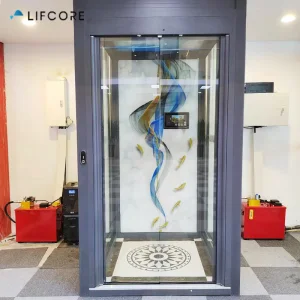
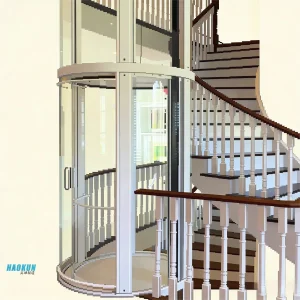
As we navigate through the mid-2020s, the term "service elevator" has evolved to encompass a wide range of specialized vertical transport solutions. From the heavy-duty freight elevators used in Amazon-style fulfillment centers to the silent home lifts in European villas, the technology is diverging into two paths: extreme power and extreme refinement.
The Engineering Behind Reliability
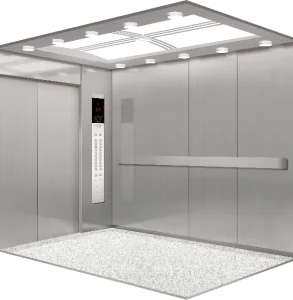
Top-tier suppliers like Guangzhou DHI Lift Co., Ltd. are now utilizing Finite Element Analysis (FEA) to simulate load stresses on elevator car frames. This ensures that when a freight elevator is rated for 5,000kg, it can handle the dynamic forces of a forklift entering and exiting without structural fatigue over a 20-year lifespan. This is the hallmark of professional expertise and authority in the field.
Sustainable Innovation: Beyond the Motor
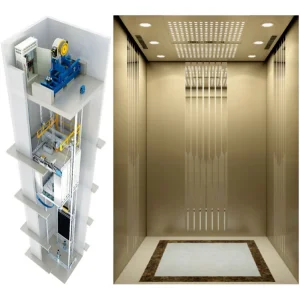
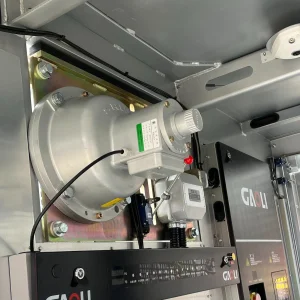
The industry is moving toward "Circular Economy" principles. Materials used in our elevator cabins are now 95% recyclable. Furthermore, the shift from geared machines to Permanent Magnet Synchronous Gearless (PMSM) traction machines has reduced maintenance needs by eliminating oil changes and decreasing energy loss due to friction by up to 30%. This reliability builds trust with global developers who prioritize sustainable building certifications.
The Strategic Importance of Chinese Exporters
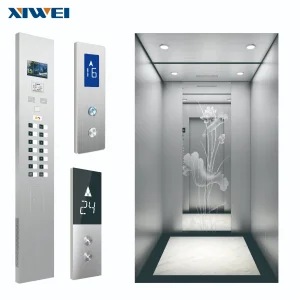
China currently produces over 70% of the world's elevator equipment. This scale allows for rapid R&D cycles. For instance, the integration of touchless controls and UV sterilization during the pandemic was deployed in Chinese-manufactured elevators months before global competitors. For a procurer, choosing a Chinese partner means accessing the cutting edge of vertical transportation technology at a pace that matches modern construction schedules.