Premium specialized firefighting elevators, electric climbing machinery, and material handling systems engineered for high-consequence environments.
Analyzing localized vulnerabilities, regulatory landscapes, and structural resilience factors for the Caribbean Region.
The Commonwealth of Dominica is undergoing a significant architectural transition. Driven by structural tourism expansion, commercial updates in Roseau, and coastal resort infrastructure developments in Portsmouth (such as the Cabrits Resort Kempinski and Secret Bay), buildings are scaling taller. This shift from low-rise structures to multi-story luxury hotels, civic centers, and mixed-use complexes highlights the need for premium elevator systems, specifically specialized firefighting elevators.
Dominica presents a unique engineering challenge due to its environmental exposures. High-rise infrastructure must design for multiple overlapping natural hazards:
Developers in Roseau and Portsmouth must design projects to align with the Dominica Fire and Ambulance Services. Compliance requires dedicated elevators to serve as accessible routes for rescue workers and safe transport for occupants during structural emergencies. Implementing high-specification vertical transit options is shifting from a recommendation to a key compliance requirement for large-scale structural approvals.
How international standards govern the manufacture of smart, safe, and highly integrated emergency evacuation machinery.
A common misconception is that standard passenger lifts with "Fireman's Service" switches are sufficient for emergency rescue operations. Under global safety standard systems (such as the European EN 81-72 and North American ASME A17.1), a true firefighting elevator is a highly engineered, life-safety machine designed to operate in high-temperature, water-saturated environments.
| Engineering Feature | Standard Passenger Elevator | EN 81-72 Firefighting Elevator |
|---|---|---|
| Primary Purpose | General daily passenger transit | Safe transport of firefighters and evacuation under emergency conditions |
| Electrical Enclosures | IP20 (Standard protection) | IPX3 (Hoistway) / IP54 (Car roof controls & machine room) protection against water |
| Structural Fire Rating | Standard doors (0-60 min rating) | minimum 120-minute thermal and smoke barrier doors (E120 / EI120) |
| Water Drainage Systems | None (water flows down the shaft) | Required drainage system (removes up to 5,000 liters/hour from pit) |
| Emergency Power Systems | Standard UPS (brings lift to nearest landing) | Secondary power feed with automatic transfer switch (operates for minimum 2 hours) |
| Rescue Trapdoor & Ladders | Optional / rare | Mandatory roof trapdoors and interior/exterior rescue ladders |
Modern global fire prevention infrastructure links lifts with building intelligence models. Real-time diagnostic sensors feed status reports directly to local municipal command centers. In the event of a fire, thermal cameras inside the elevator cab, smart weight-load sensors, and air monitoring equipment report conditions to fire service personnel before they enter the structure.
Verified manufacturing capabilities, strict quality assurance protocols, and global logistical networks delivering safety systems worldwide.
Navigating complexity, technical compliance, and transport logistics to secure reliable emergency equipment.
Procuring specialized heavy equipment for distant markets like the Caribbean involves several challenges. Project managers, architects, and quantity surveyors must account for shipping costs, verify compliance certificates, and confirm long-term spare parts availability. Working with manufacturers that offer comprehensive engineering support—including CAD drawings, electrical schematics, and remote site support—is key to keeping projects on track.
For high-rise residential properties or luxury resorts in Dominica, buying lower-cost, non-corrosion-resistant elevators often leads to high maintenance costs. Salt air, humidity, and constant operation cause early component failures. Specifying stainless steel cabins, marine-grade wiring, and robust control panels reduces long-term maintenance costs and extends the equipment's service life.
Using advanced automation, precision manufacturing, and strict quality control to supply high-reliability lifts to the global market.
Guangzhou DHI Lift Co., Ltd. (est. 2016) is a national A-level enterprise specializing in the design, manufacture, and maintenance of advanced elevator systems. Our 45,000+ square meter facility in Guangzhou uses intelligent manufacturing systems to ensure high quality, environmental compliance, and safety standards.
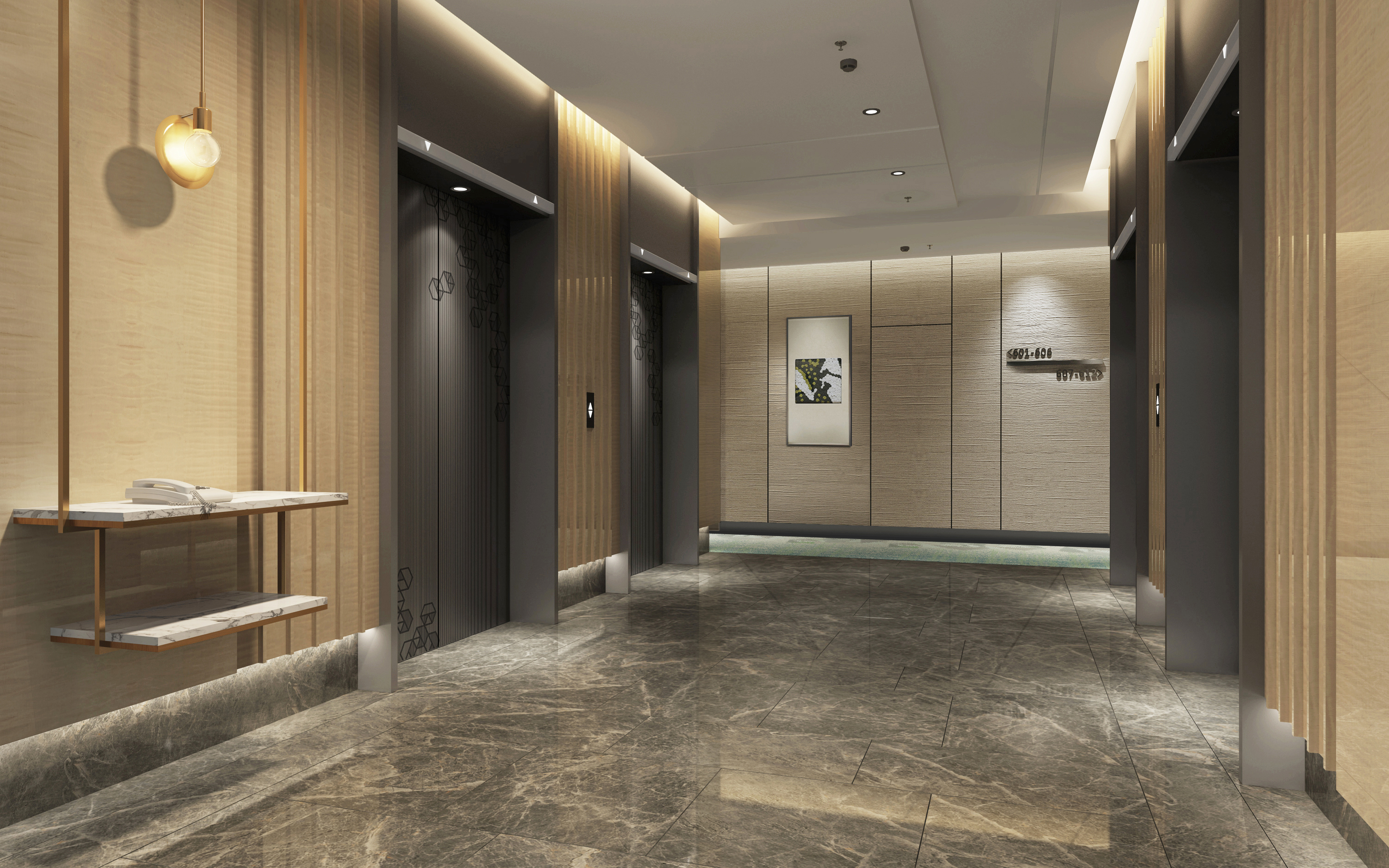
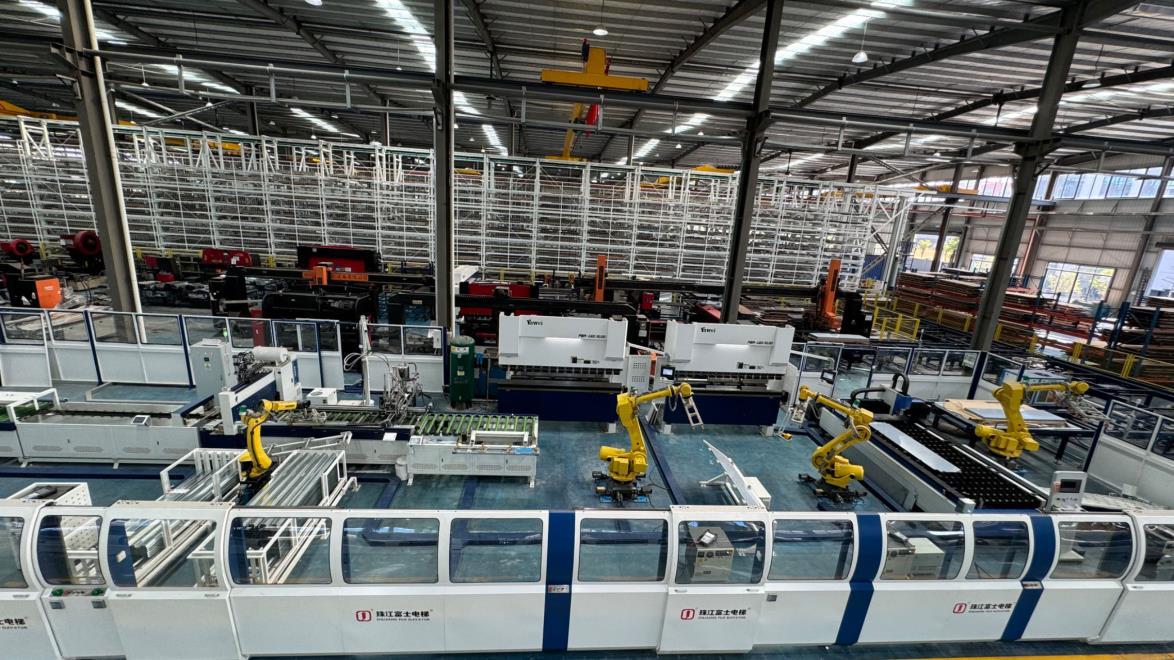
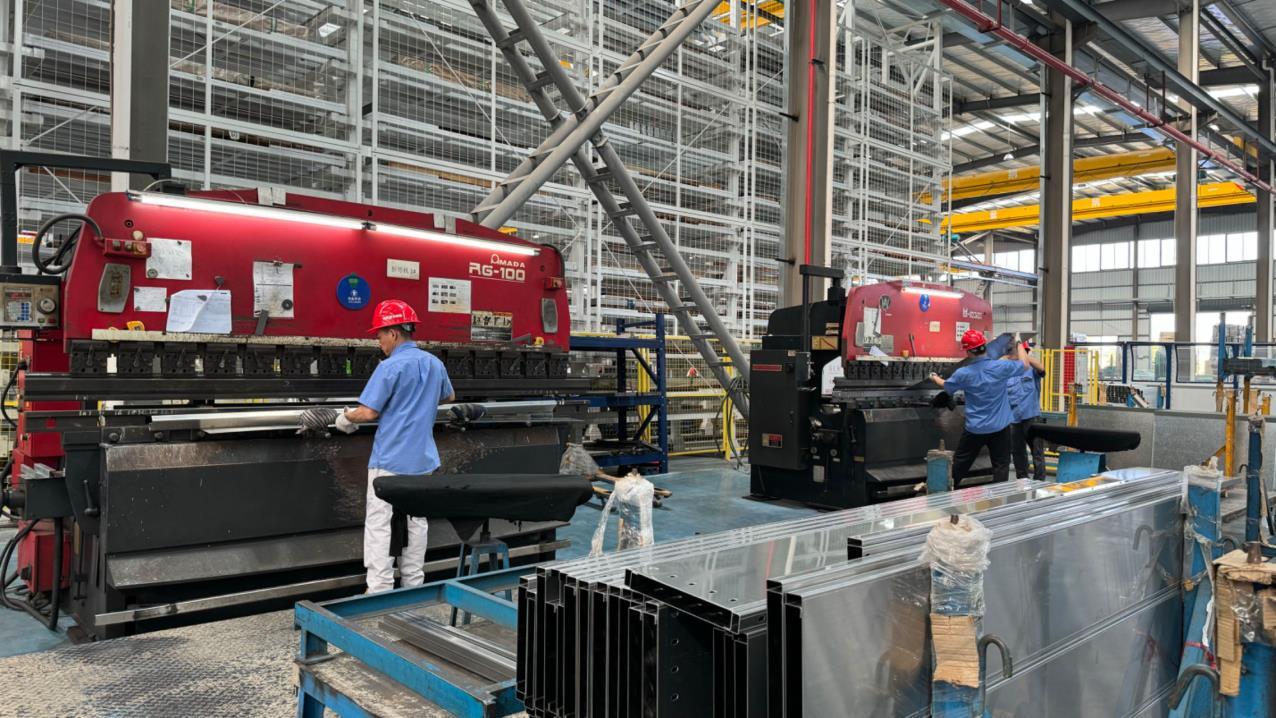
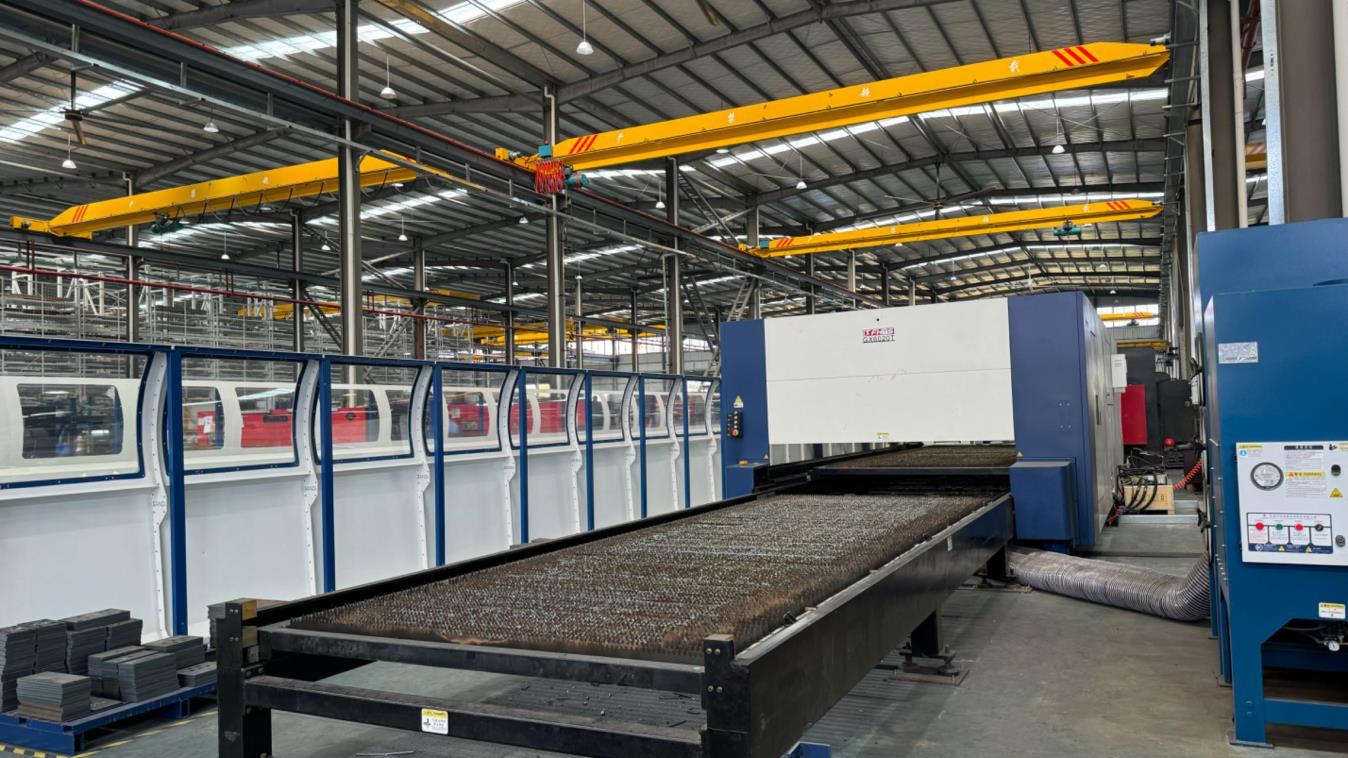
DHI's digital systems ensure each component is manufactured to close tolerances. By using advanced laser cutters, automated bending lines, and robotic welding stations, DHI eliminates human assembly errors. These systems are backed by a tracking system that monitors components throughout the production process.
We work to international standards, holding certifications including ISO9001 Quality Management System, ISO14001 Environmental Management System, and ISO45001 Occupational Health and Safety Management System. Our facility uses 6S site management to maintain quality control across all production lines.
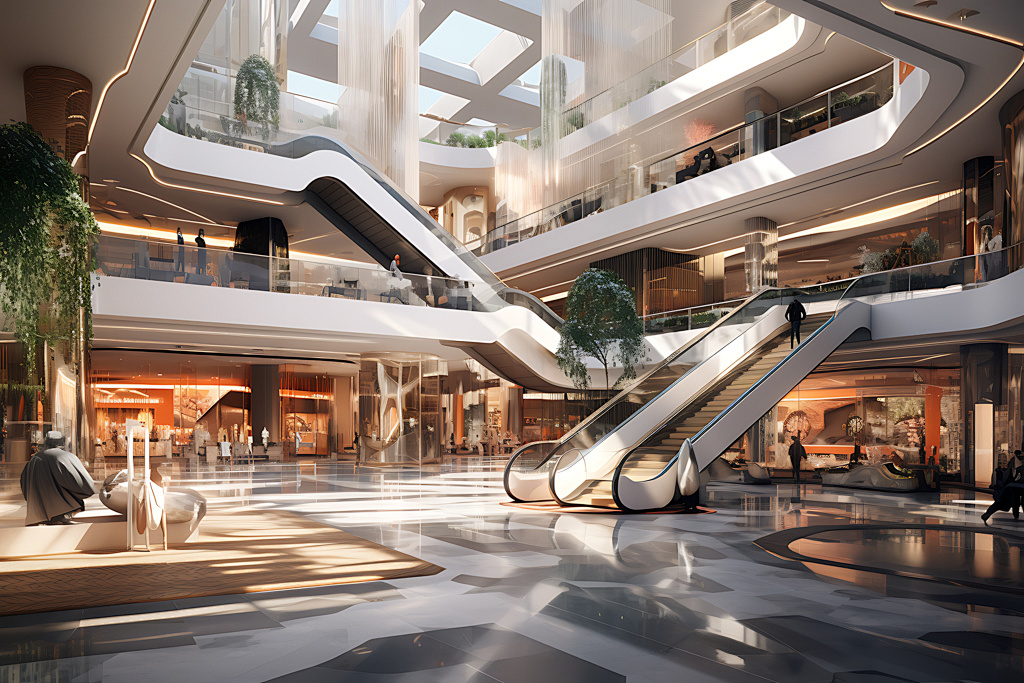
Our production line combines advanced manufacturing technology with multi-stage quality control. Below are the key steps in our process:
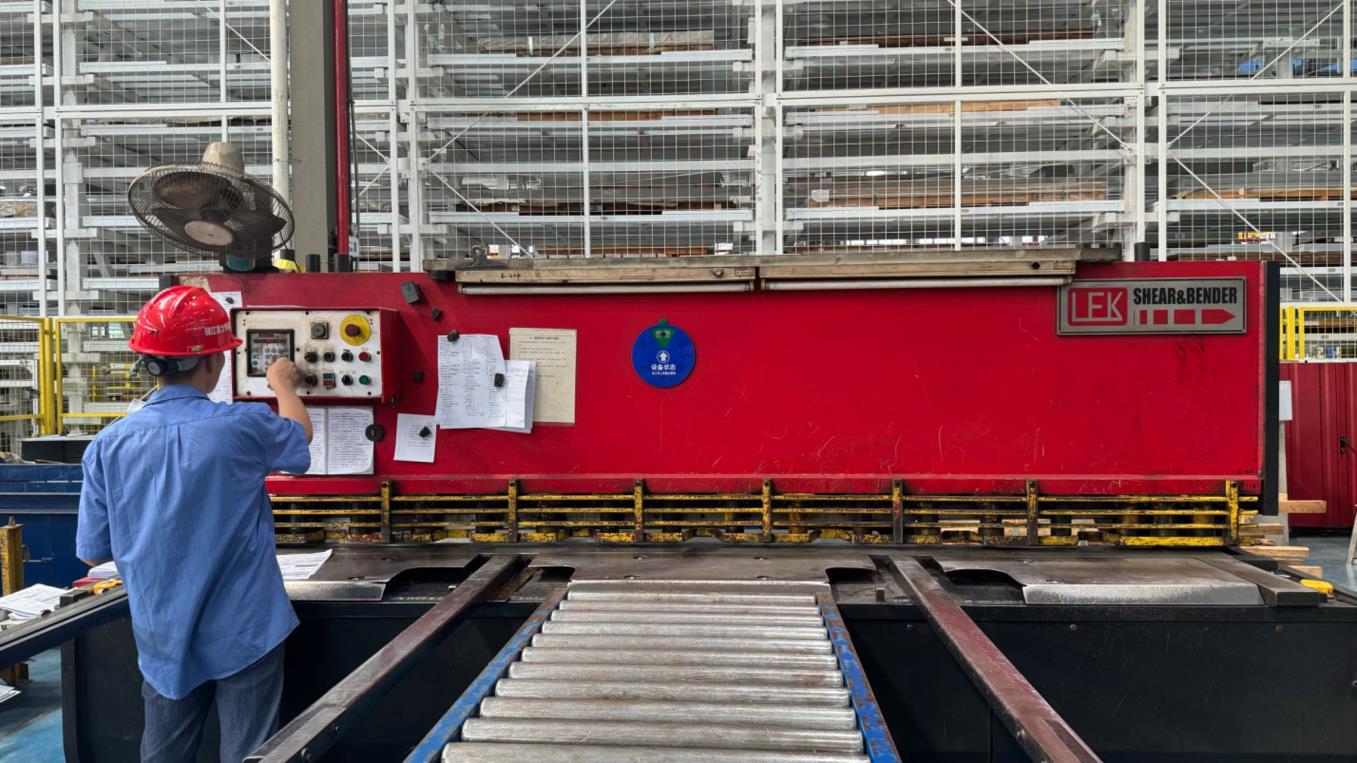
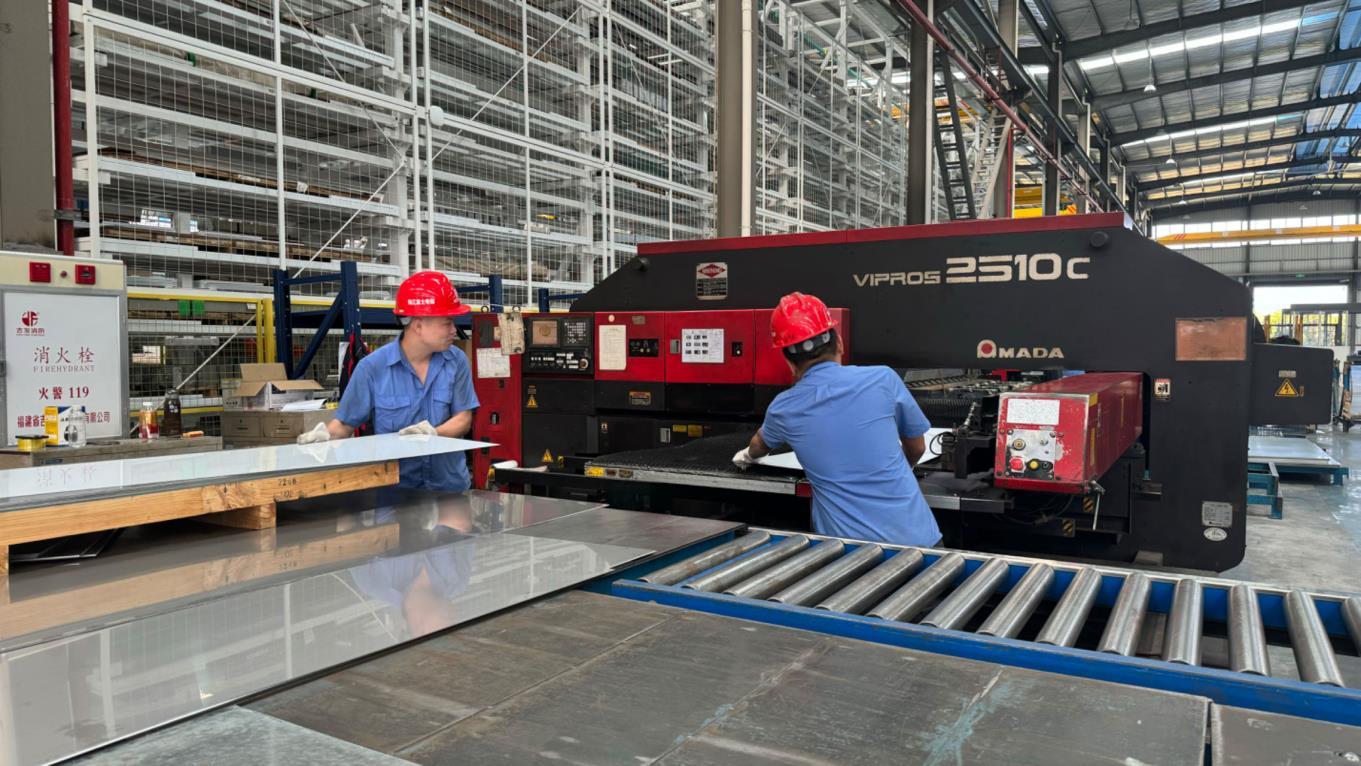
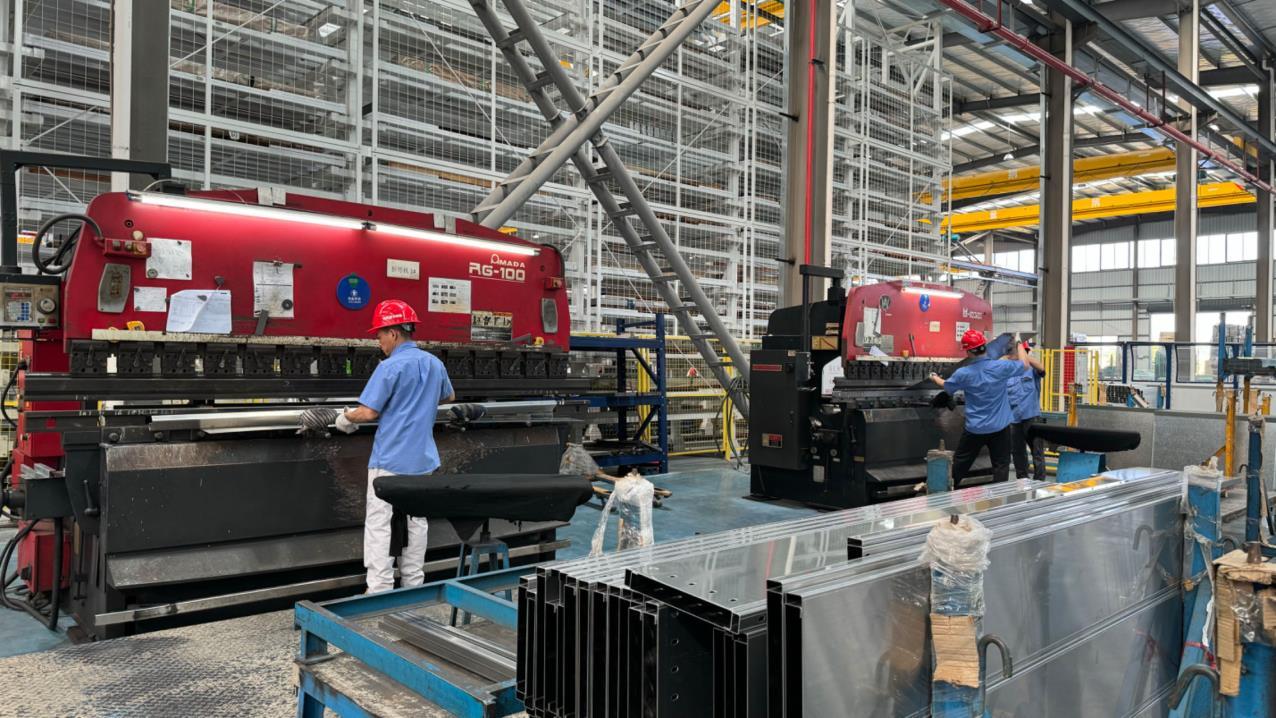
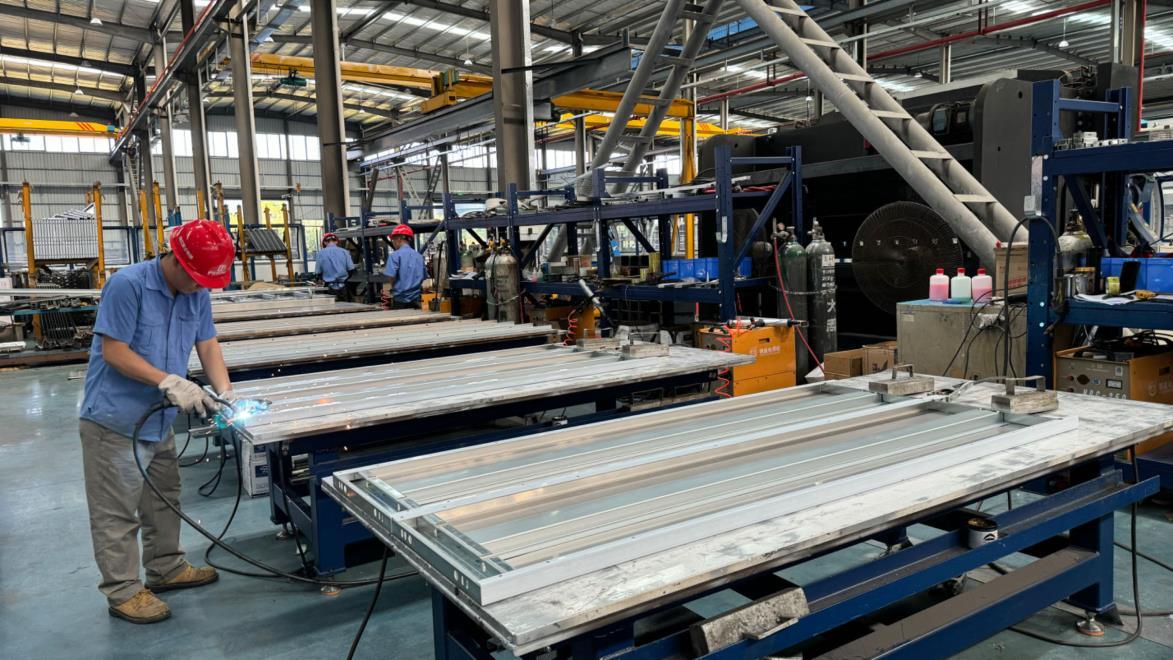
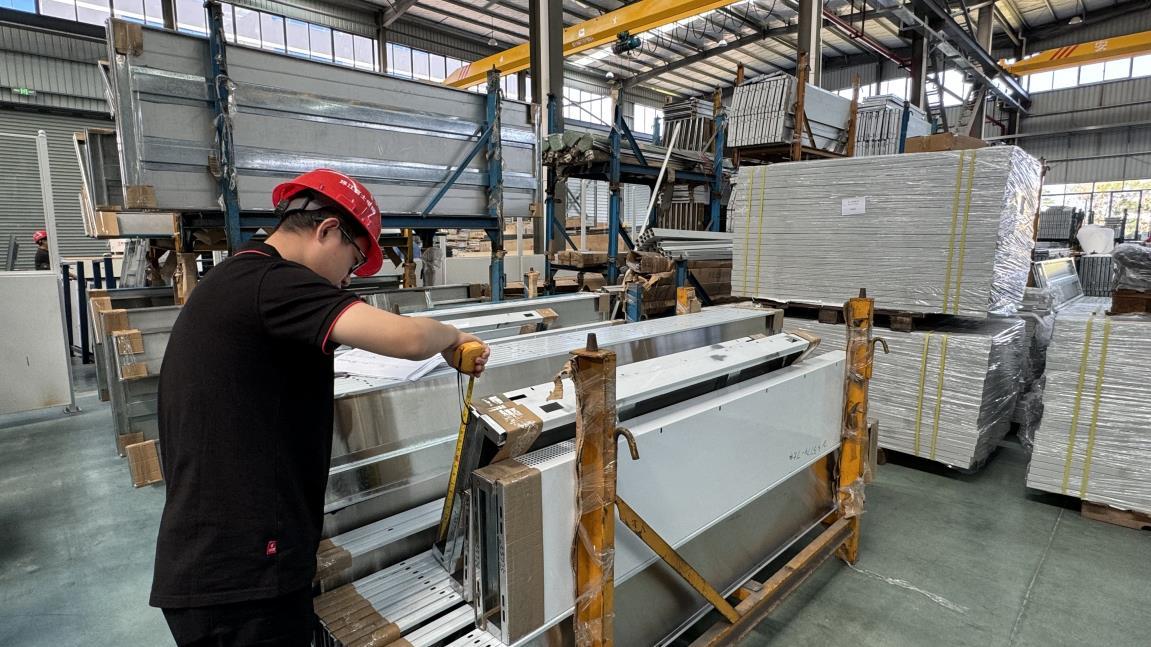
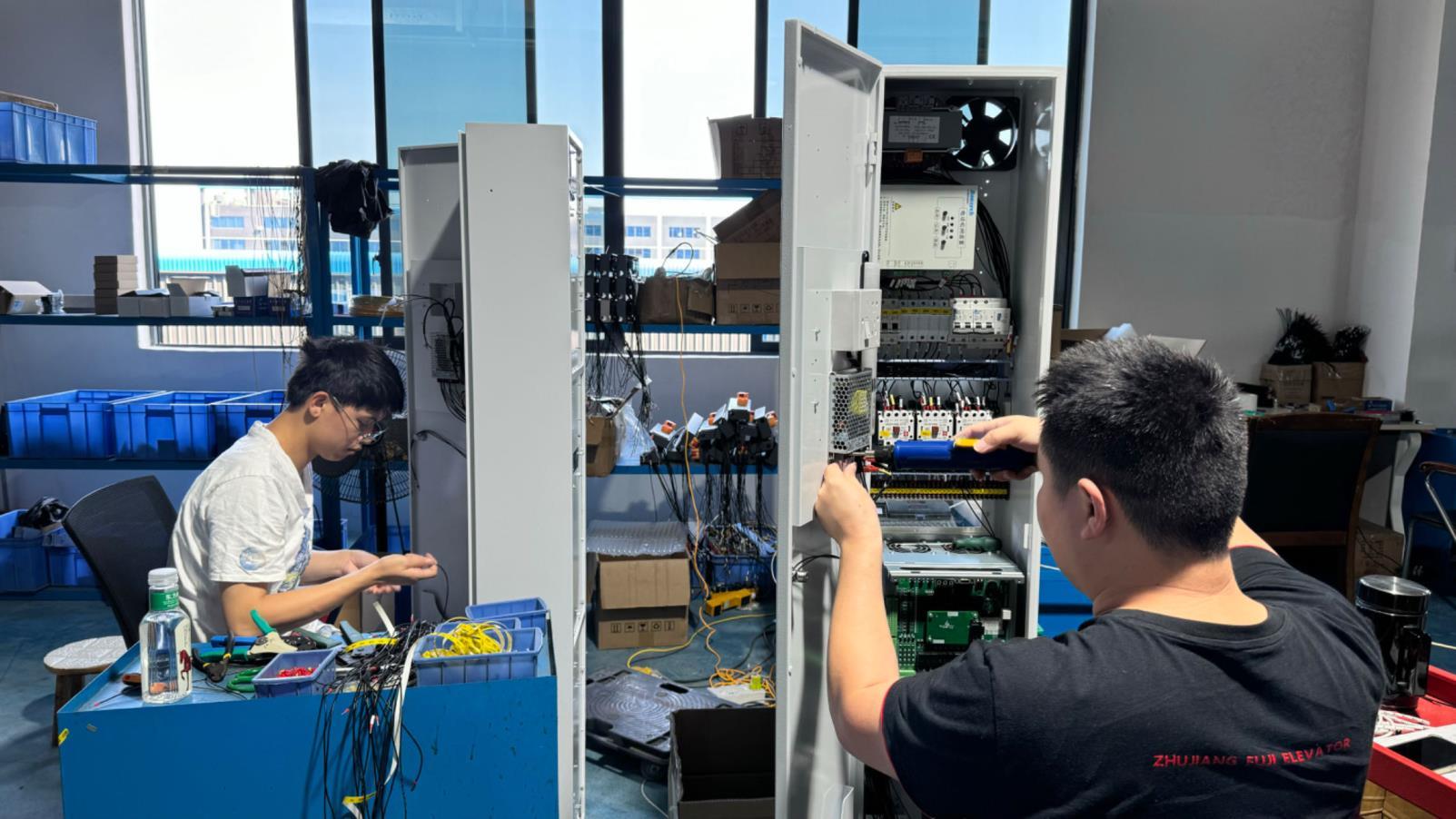
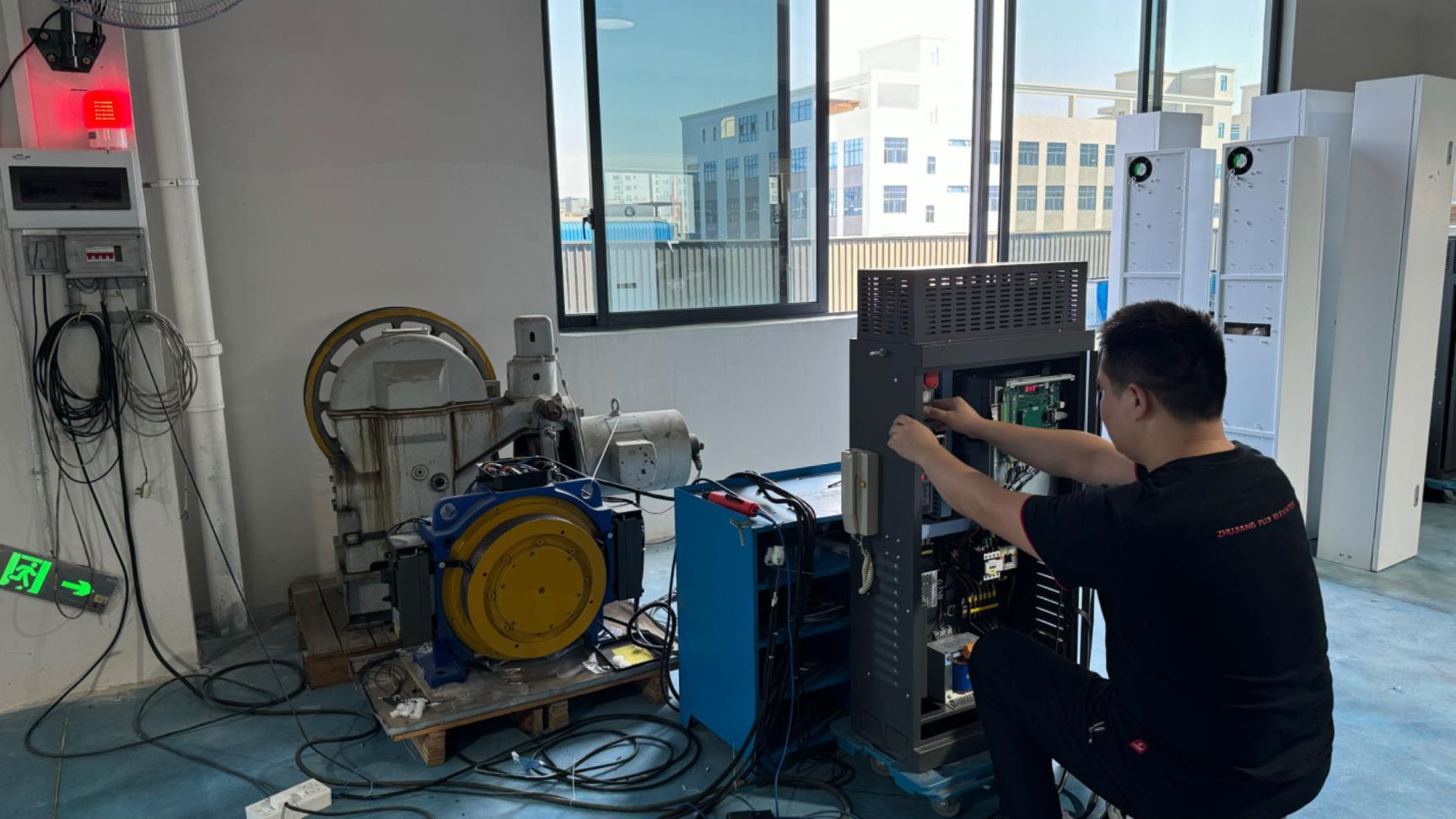
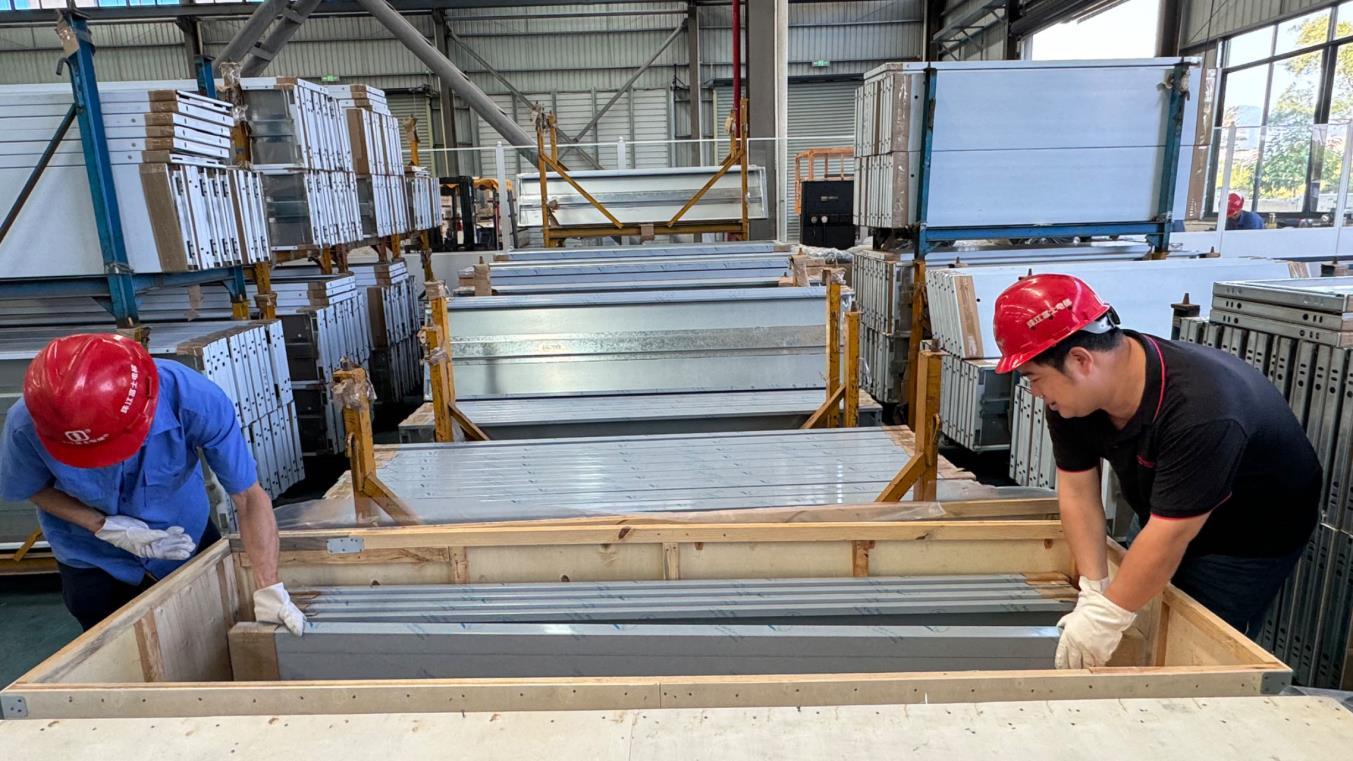
Our facility uses specialized machinery to maintain component consistency across production runs:
Tailored engineering installations designed for specific commercial, environmental, and public demands.
Dominica's high-end tourism projects require lifts that integrate into low-impact, high-aesthetic resort layouts while meeting safety requirements. In beachfront locations, moisture and salt spray are major factors. DHI's anti-corrosion lifts use grade 316 stainless steel, marine-grade protective varnishes, and sealed control boxes to prevent failures caused by coastal exposure.
Public buildings, hospitals, and civic centers must remain functional during emergencies. Firefighting elevators in these facilities are designed with backup power integration, water drainage systems, and simple manual control interfaces, ensuring rescue services have reliable access during a crisis.
In high-traffic urban areas, modern passenger elevators must handle heavy daily use. Implementing systems that comply with EN 81-72 standards ensures these lifts can switch to emergency modes when connected to building fire panels, providing reliable support during building evacuations.
Detailed explanations regarding compliance, shipping, and installation of DHI vertical transit solutions.
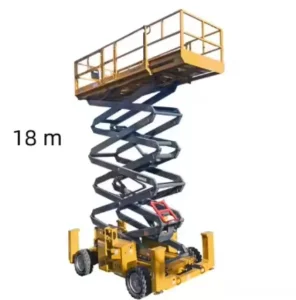
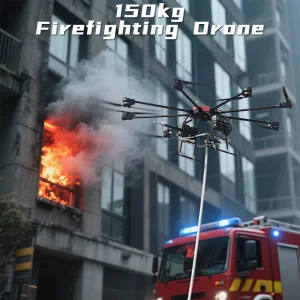
Explore our full range of emergency transit, aerial lift platforms, and automated inspection drone systems.
 DHI Lift