Engineered for high performance, tropical durability, and ultimate safety compliance.
An authoritative analysis of vertical transportation in Central Africa's emerging commercial sectors.
Equatorial Guinea is positioning itself as a central logistics hub in the Gulf of Guinea. Across key urban clusters, including the island capital of Malabo and the mainland port metropolis of Bata, vertical infrastructure development has transitioned from basic low-rise constructions to highly complex multi-tiered commercial, industrial, and high-end residential frameworks. Furthermore, the construction of the country’s new administrative capital, Ciudad de la Paz, represents a generational leap in urban planning requiring state-of-the-art lift engineering.
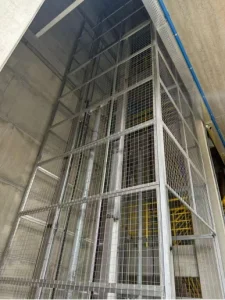
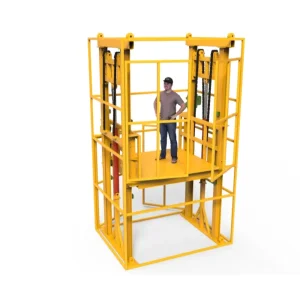
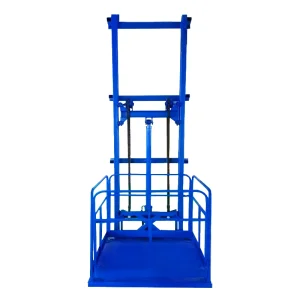
Hydraulic elevators have emerged as the primary choice for heavy industrial and medium-rise passenger installations due to their structural robustness, low mechanical wear, and ability to handle extreme tonnage with high efficiency. Unlike traction lifts, hydraulic options exert load directly on the pit ground rather than suspending it from overhead beams, making them structurally ideal for varied soil conditions in coastal zones.
Globally, the hydraulic elevator market continues to dominate the cargo logistics, manufacturing, and low-to-medium-rise residential sectors. While high-rise towers rely on fast traction machines, hydraulic solutions offer unmatched advantages in load-bearing capacity, energy-saving standby states, and space utilization—as they do not require an overhead machine room. Recent innovations in smart valve regulation, frequency-inverter drives (VFD), and eco-friendly biodegradable hydraulic fluids have mitigated previous limitations, transforming modern hydraulic systems into ultra-green, highly efficient operations.
Internationally, standard compliance has tightened. Top-tier manufacturers must now engineer systems that conform to European Norms (EN 81-20/50, EN 81-2) or North American standards (ASME A17.1). This global alignment ensures that regardless of the deployment site, safety mechanisms—such as rupture valves, overload sensors, and emergency backup battery descent systems—operate under absolute failsafe criteria.
Understanding local environmental and operational requirements is essential for project execution in West-Central Africa. The tropical maritime climate of Malabo and the heavy salt-fog air of the Bata port require specific component protection.
Guangzhou DHI Lift Co., Ltd. was established in 2016 and is located in Guangzhou, one of China’s most dynamic economic and manufacturing hubs. Benefiting from its strategic location and convenient transportation network, the company enjoys strong advantages in both domestic and international markets.
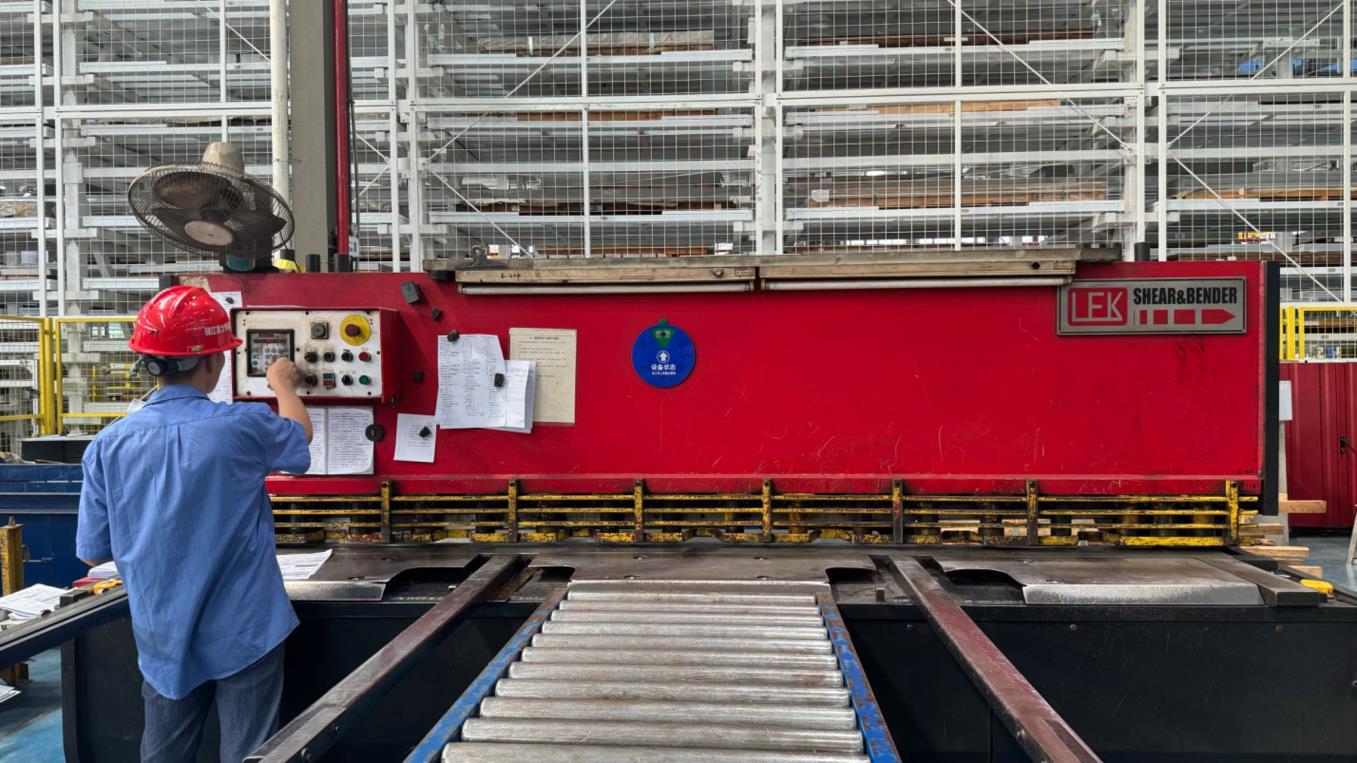
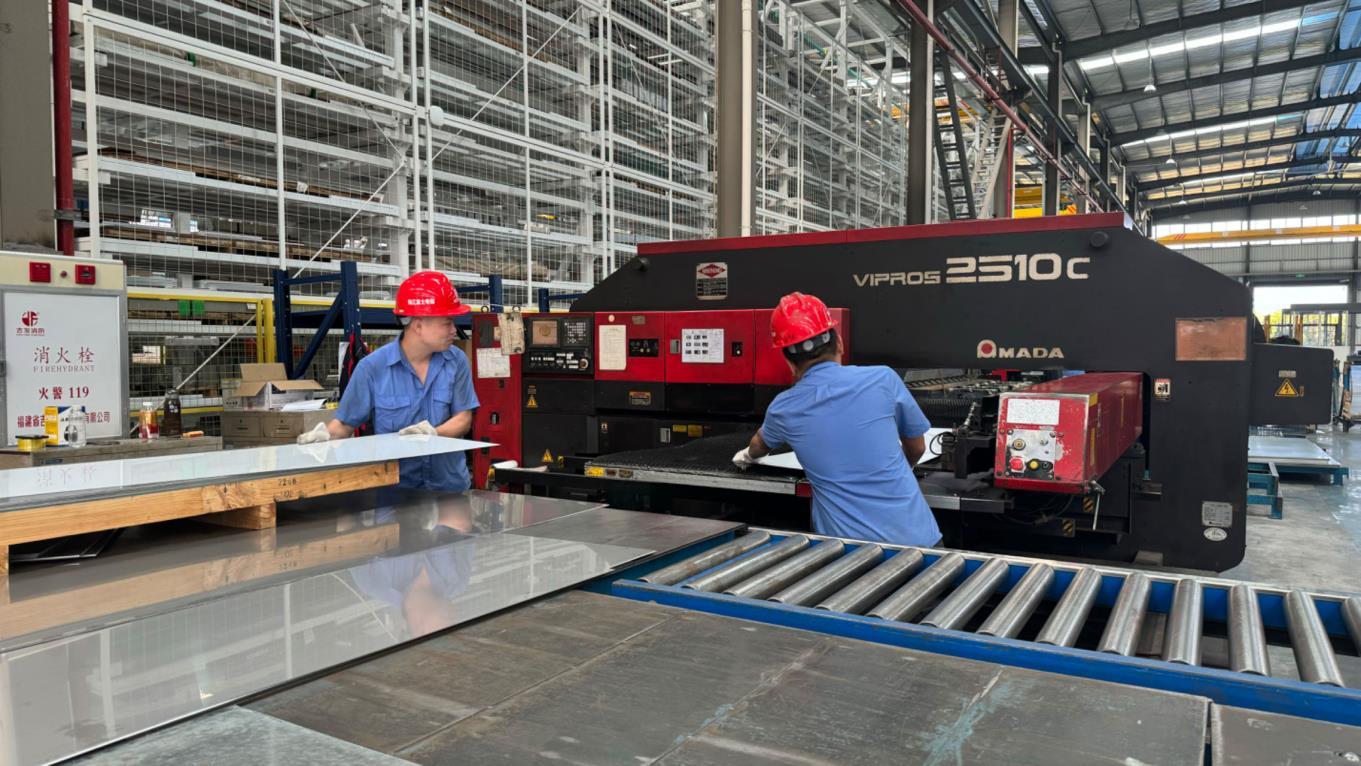
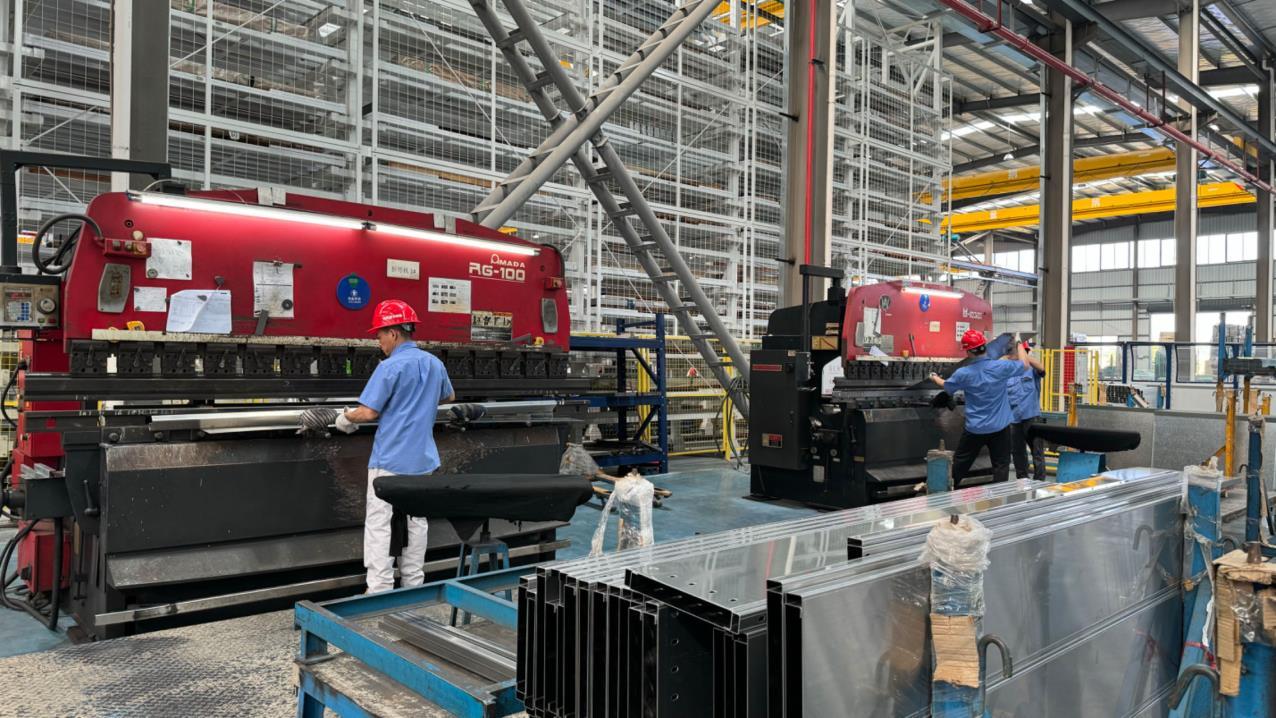
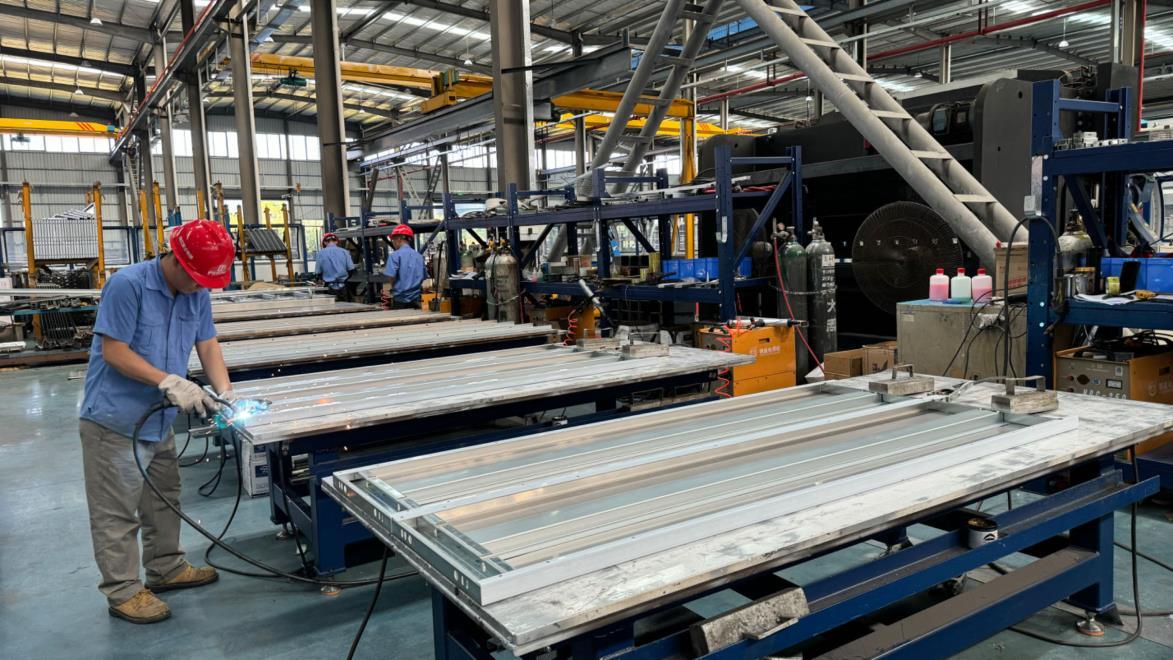
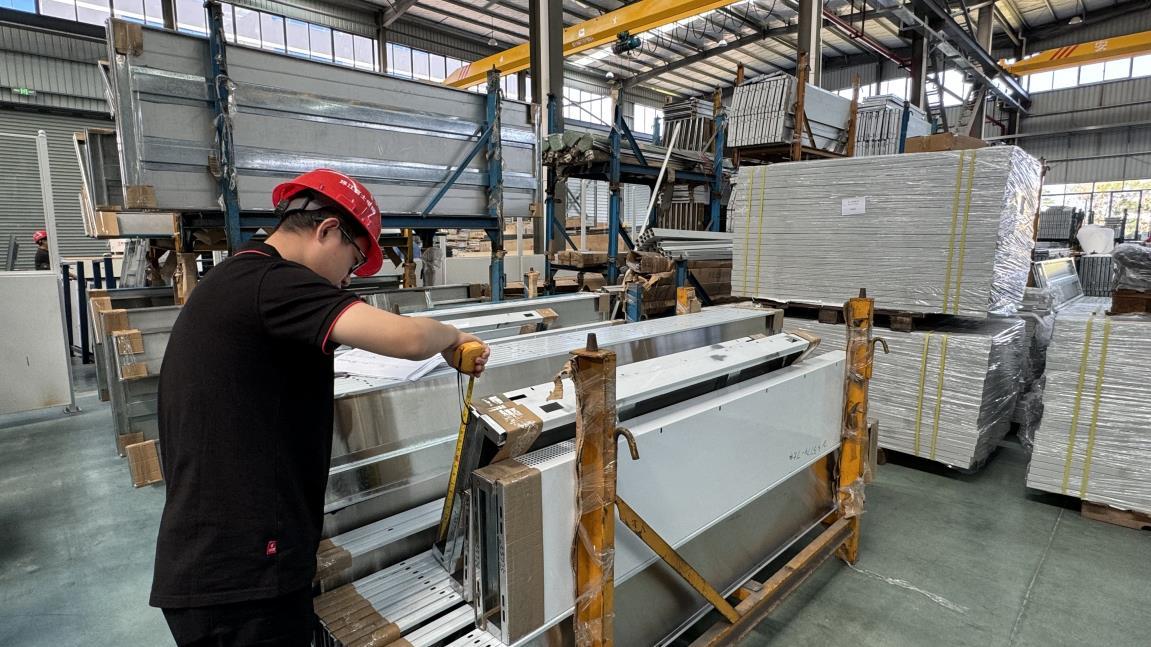
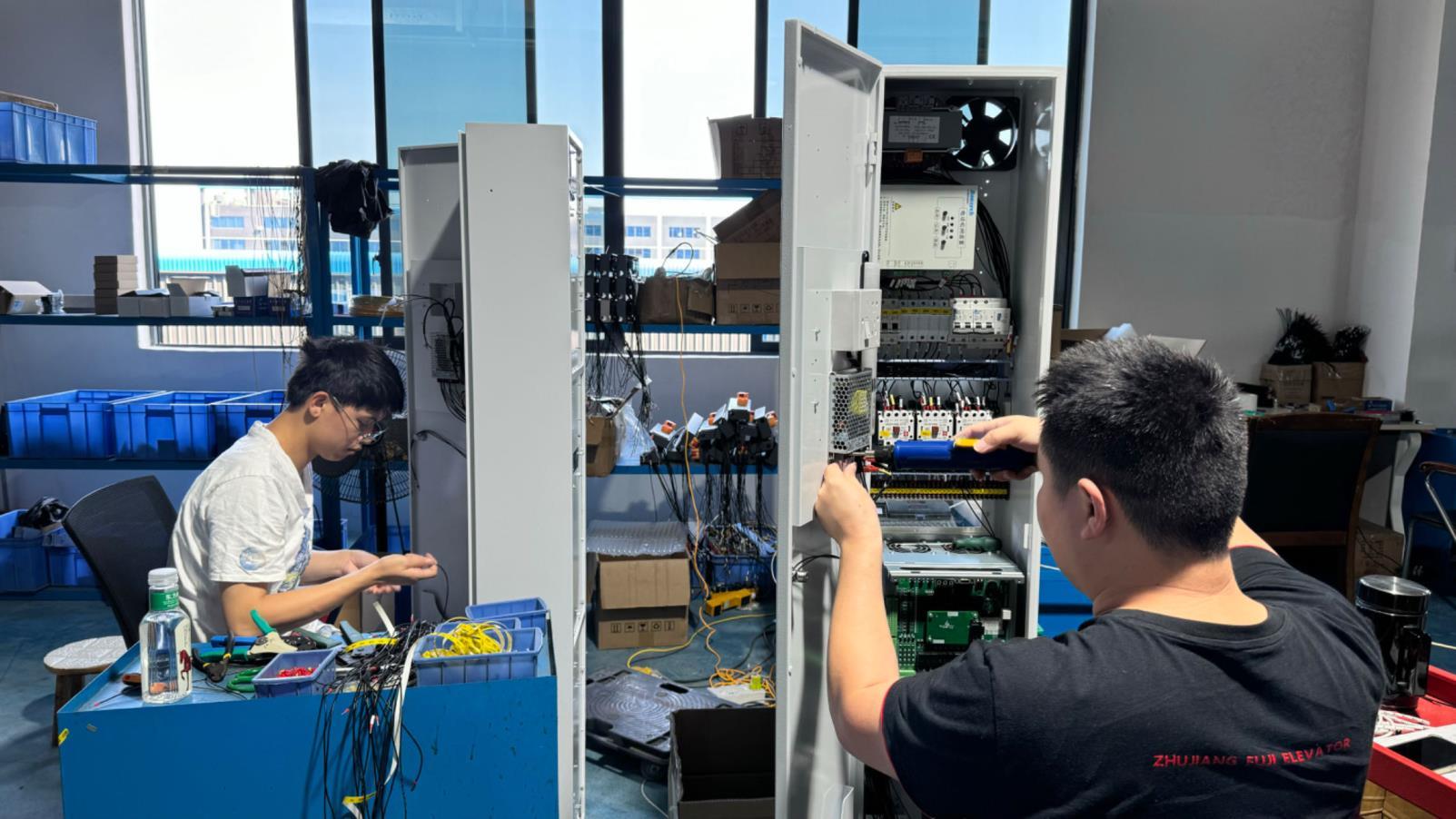
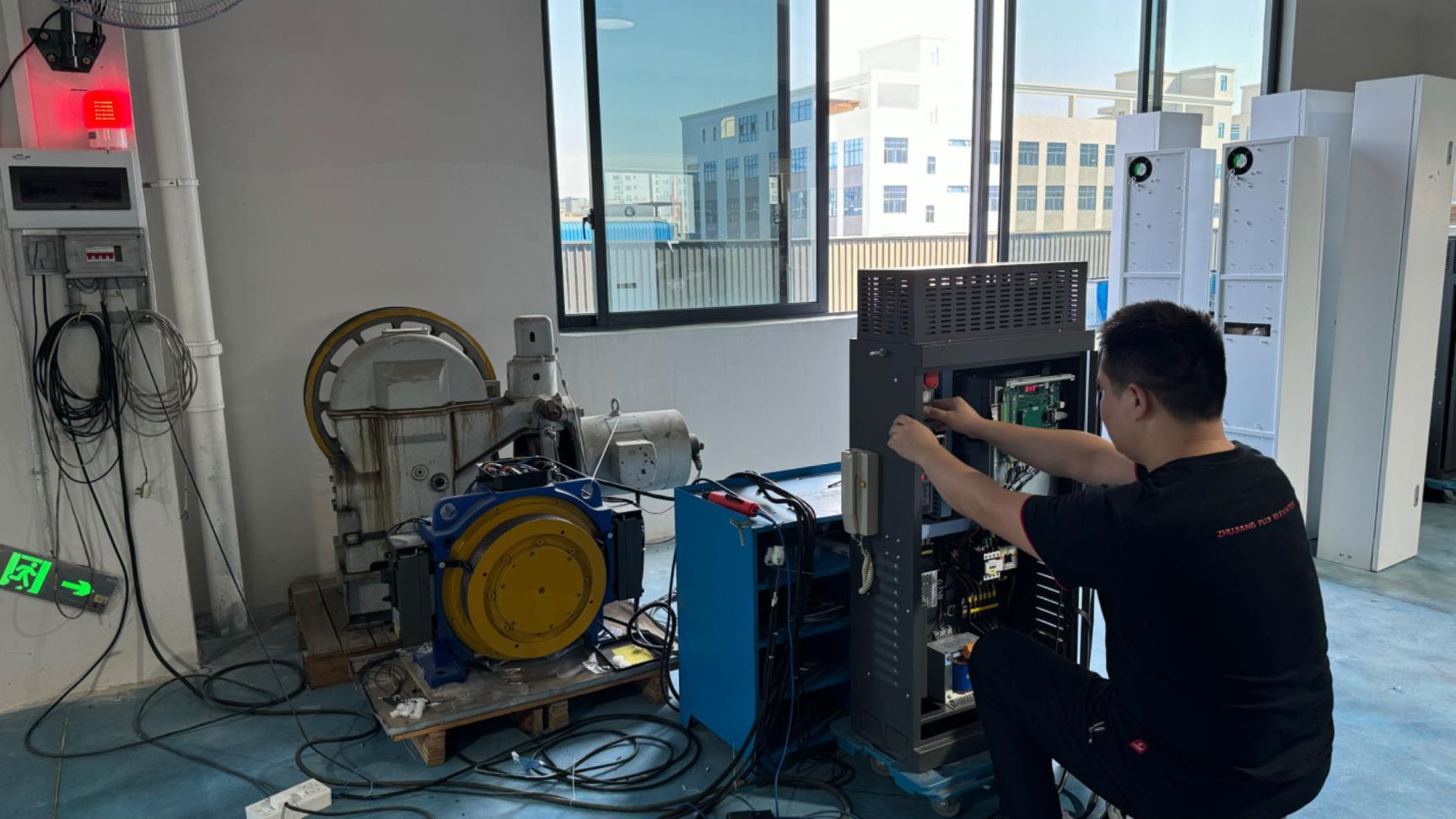
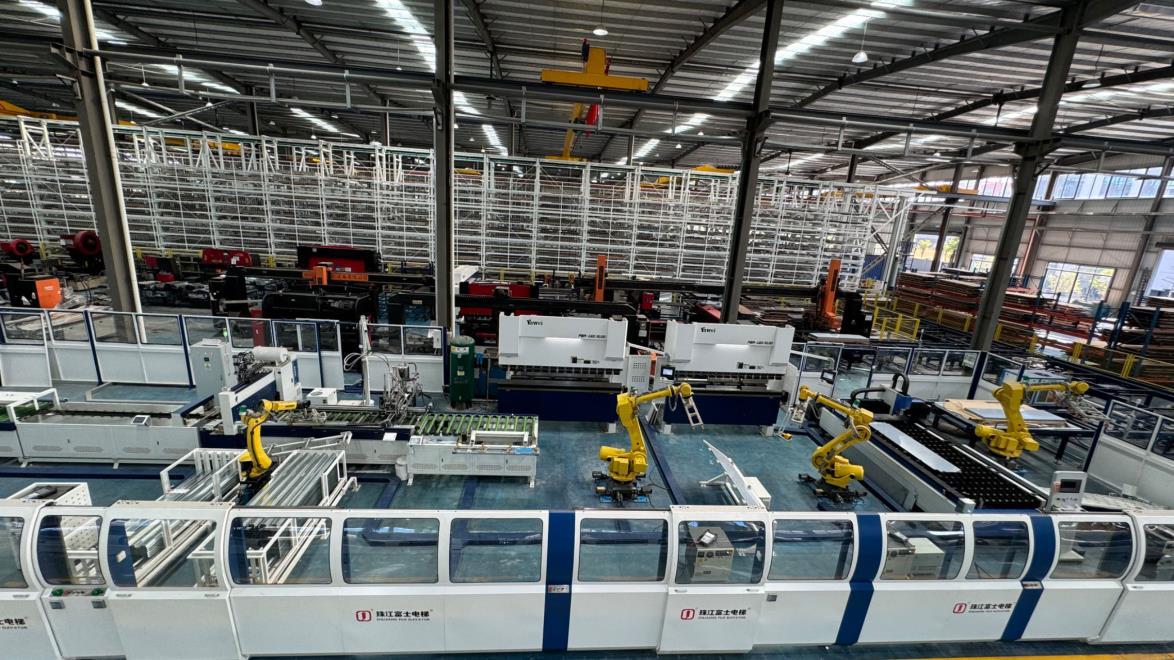
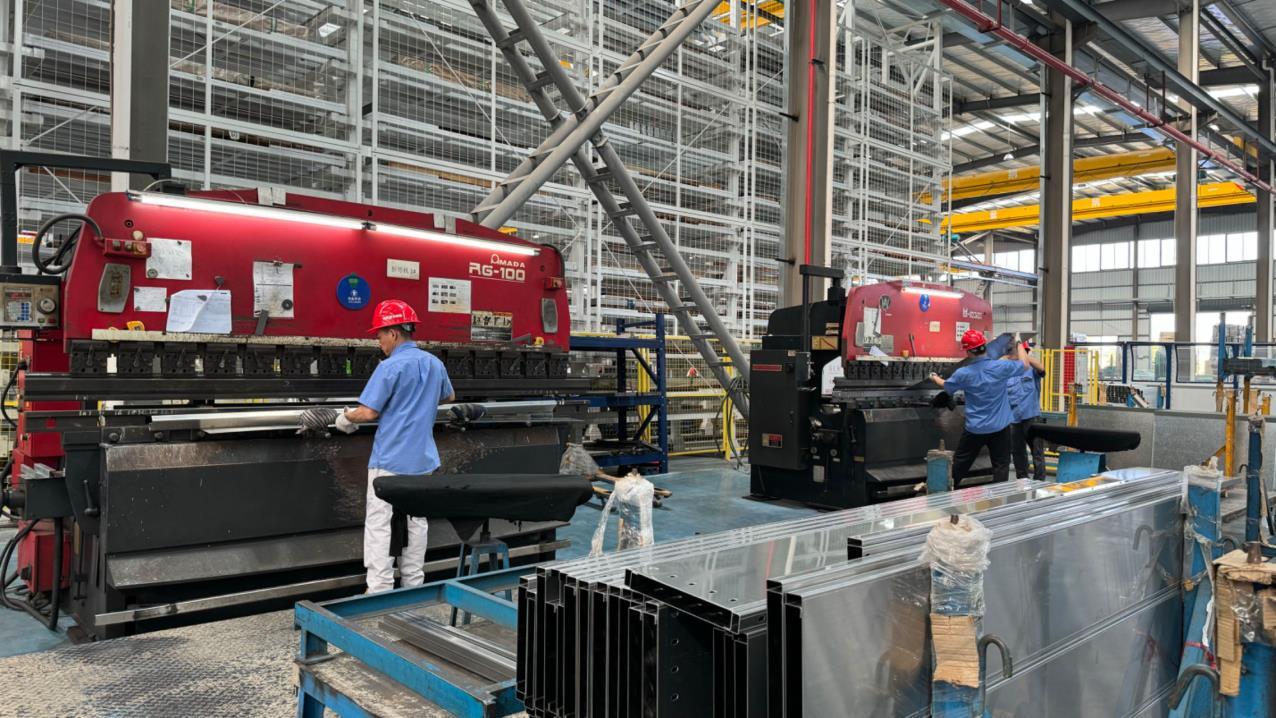
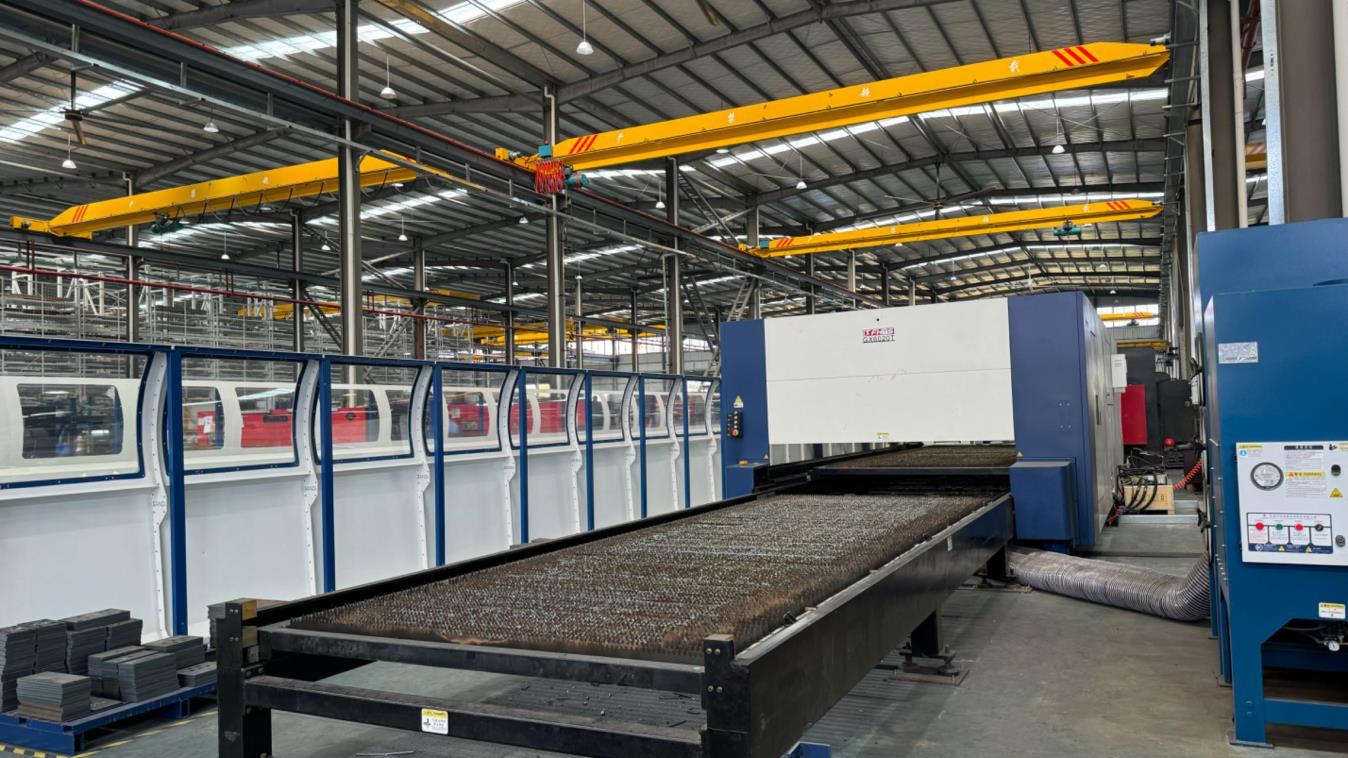
Operating from a modern manufacturing base with a construction area of over 45,000 square meters, DHI Lift is a national A-level enterprise specializing in the design, manufacturing, installation, modernization, and maintenance of elevator systems and other vertical transportation equipment. In response to evolving market demands, Guangzhou DHI Lift Co., Ltd. has actively promoted industrial transformation and upgrading. By embracing intelligent manufacturing, the company has developed an advanced “Internet + Industry 4.0” smart factory equipped with automated production lines, precision testing systems, and digital management platforms.
To ensure consistent excellence, the company strictly implements international management standards, including ISO9001 Quality Management System, ISO14001 Environmental Management System, and ISO45001 Occupational Health and Safety Management System, alongside refined 6S onsite management practices. These systems guarantee high product quality, environmental responsibility, and workplace safety throughout all stages of production.

Guangzhou DHI Lift Co., Ltd. is committed to meeting diverse customer needs. Its product portfolio includes passenger elevators, freight elevators, hospital elevators, panoramic elevators, villa elevators, retrofit elevators for existing buildings, service elevators, escalators, and moving walkways. Driven by the philosophy of “Quality First, Customer Foremost,” the company continuously enhances its service capabilities. It has established a 24-hour rapid response mechanism, supported by a highly skilled installation and maintenance team, as well as a nationwide spare parts supply network. In addition, the company is expanding its global footprint, providing customized solutions and technical support to clients in overseas markets.
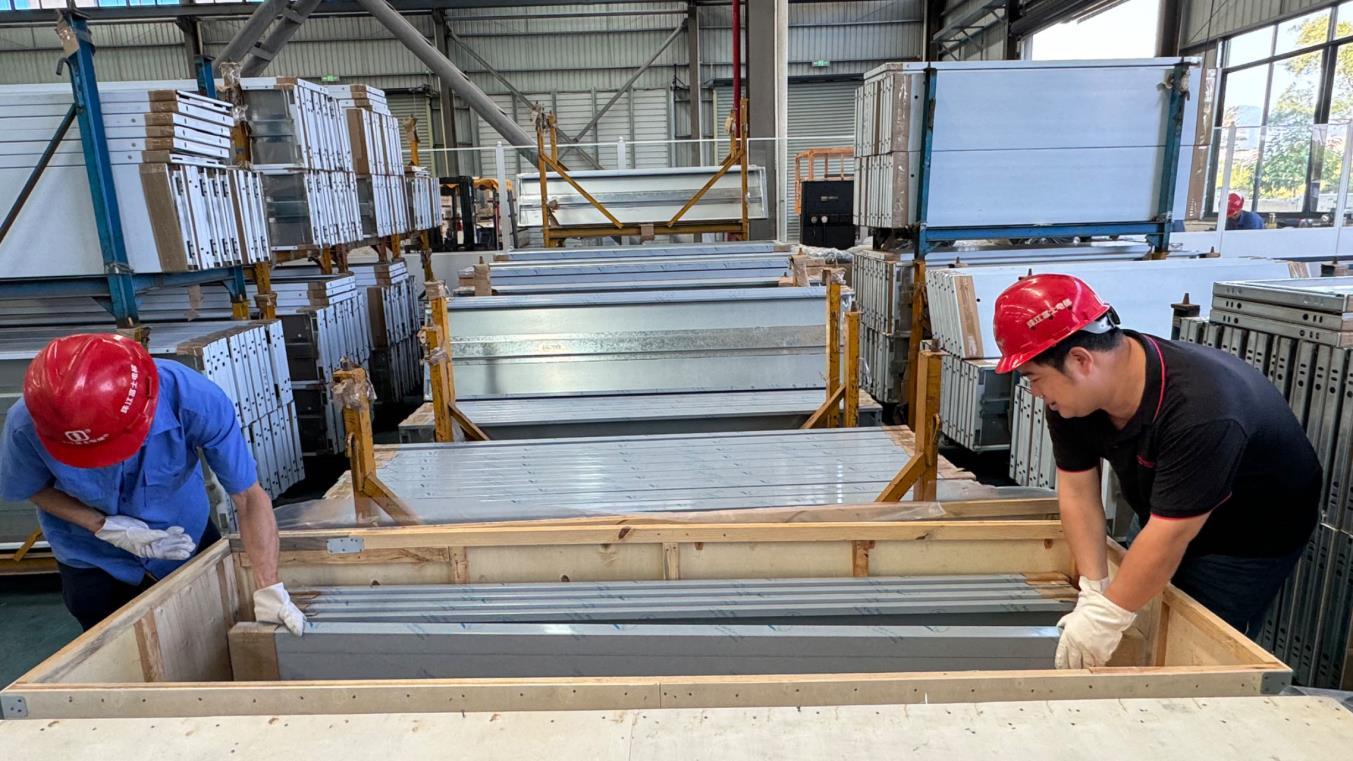
DHI's integrated supply chain incorporates strict QC protocols and robotic tooling to ensure zero-defect output.
Sourcing large-scale heavy machinery from China to Central Africa requires deep operational planning. The primary freight routes link Guangzhou Port or Shenzhen Shekou Port directly to the Port of Bata and the Port of Malabo. The average transit time varies between 35 to 48 days. Understanding local import regulations and clearing documentation is crucial to prevent delay surcharges. DHI Lift ensures all shipping coordinates are accompanied by CE certificates, detailed weight sheets, and step-by-step structural erection blueprints.
Moreover, local electric configurations in Equatorial Guinea usually adhere to a standard 220V Single-Phase or 380V Three-Phase at 50Hz. All hydraulic pump units, electrical control modules, and auxiliary motors from DHI are custom-configured in the factory to match local electrical grid demands, avoiding expensive on-site converter retrofitting.
Finally, we integrate marine-grade timber packing and vapor-sealed rust prevention measures for all ocean voyages. Steel components are coated in special waxes and wrapped in heavy-gauge polymer sheets to survive humidity shifts while crossing the equator, guaranteeing that the equipment arrives in pristine structural condition.
Direct answers from our senior engineering team regarding structural specifications, logistics, and compliance.
Why is a hydraulic lift system preferred over a traction system for cargo shipping warehouses in Bata?
Hydraulic elevators support their weight and load directly on the pit floor, minimizing the stress on the building's vertical support columns. They do not require a massive concrete overhead machine room, simplifying building layout plans. This makes them highly secure, stable, and cost-effective for structural load-bearing projects exceeding 1,000 kg.
How does DHI Lift protect elevators from the tropical humidity and salt spray of coastal Malabo?
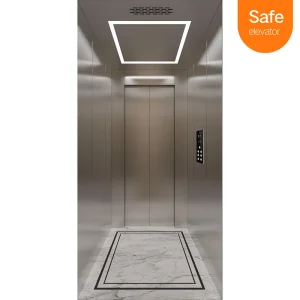
We utilize hot-dip galvanized mechanical elements, marine-grade epoxy coatings, IP55-rated water-resistant electrical housings, and 304 or 316 stainless steel cabin plates. These premium materials prevent premature oxidation and rust degradation in coastal and saline environments.
Are custom cabin dimensions and larger load limits available for industrial projects?
Yes. DHI’s engineering design department handles structural adjustments ranging from 500kg up to 15-ton configurations. Standard platforms, doors, and hydraulic control setups are calculated using automated CAD systems and custom-tailored to the shaft dimensions provided by client engineers.
What safety compliance documentation is issued with the imported equipment?
Every shipment includes comprehensive CE certificates, factory load testing logs, European standard (EN 81-20/50) compliance files, and full material analysis sheets. We also provide clear electrical wiring schematics and step-by-step layout diagrams to help local contractors execute swift installations.
Complete your facility planning with DHI's specialized vertical transport equipment list.
 DHI Lift