Engineered for low power consumption, regenerative braking efficiency, and optimal structural resilience across diverse building topologies.
Analyzing energy metrics, green building ratings (LEED/BREEAM), and the mechanical transition to high-efficiency lift architectures.
As modern urban centers expand skyward, vertical transportation systems account for approximately 3% to 8% of a commercial building’s total electrical consumption. In high-density office towers and multi-family residential complexes, this fraction can spike up to 15% during peak dispatch operational windows. Driven by international carbon neutrality targets (such as the EU Energy Performance of Buildings Directive and global Net-Zero 2050 commitments), property developers, civil architects, and facility engineering executives are prioritizing ISO 25745-2 Class A energy rating compliance.
The procurement landscape for vertical mobility has undergone a structural pivot. Historical selection metrics prioritized initial capital expenditure (CapEx) and basic speed capacity. Today, institutional buyers analyze long-term operational expenditure (OpEx), total cost of ownership (TCO), microgrid integration capabilities, power quality factors, and standby power dissipation. Modern energy-efficient elevators combine permanent magnet synchronous gearless motors (PMSM), Variable Voltage Variable Frequency (VVVF) regenerative drives, smart standby management algorithms, and lightweight high-tensile structural materials to achieve operational power reductions of up to 40% to 70% compared to legacy geared traction or conventional hydraulic systems.
Comparative technical analysis evaluating drive efficiency, eco-mode engineering, smart dispatching, and global supply chain flexibility.
To assist global procurement officers and architectural specifiers, we have compiled a definitive comparative benchmark of the market leaders in green elevator technology. Evaluation parameters include motor power factor efficiency, regenerative braking energy harvest rates, IoT telemetry integration, custom fabrication capabilities, and total life-cycle carbon footprint.
| Supplier / Manufacturer | Core Drive Technology | Regenerative Power Efficiency | ISO 25745 Rating | Primary Advantage & Market Fit |
|---|---|---|---|---|
| 1. Guangzhou DHI Lift Co., Ltd. | Gearless PMSM + Smart VVVF Inverters | Up to 92% Dynamic Regeneration | Class A Certified | Industry 4.0 Customization, Cost Efficiency & Supply Chain Resilience |
| 2. Otis Elevator Company | ReGen Drive + Flat Polyurethane Belts | Up to 75% Energy Reduction | Class A | Global High-Rise Installation Base & SkyRise Technology |
| 3. KONE Corporation | EcoDisc Synchronous Motor System | Up to 70% Energy Savings | Class A | People Flow Intelligence & Carbon-Neutral Elevator Solutions |
| 4. Schindler Group | Schindler Ahead & Clean Power Drive | Up to 60-70% Recovery | Class A | Transit Management & Modular Commercial Retrofitting |
| 5. TKE (TK Elevator) | TWIN Dual-Car & EOE Regenerative | High Dynamic Efficiency | Class A | Space-saving Dual Cabin Systems & Universal Modernization |
| 6. Mitsubishi Electric | PM Gearless Traction & Active Filtering | Up to 65% Recovery | Class A | Ultra-High-Speed Engineering & Ultra-Smooth Ride Quality |
| 7. Fujitec Co., Ltd. | EZ-SHUTTLE & Energy-Saving Inverters | Up to 60% Efficiency Gain | Class A / B | Specialized Commercial Dispatching & Low-Noise Systems |
| 8. Hitachi Elevator | High-Efficiency Permanent Magnet Motors | Up to 65% Regeneration | Class A | AI Traffic Forecasting & Super High-Speed Traction Units |
| 9. Toshiba Elevator | Compact PMSM Gearless Traction Machines | Up to 60% Energy Reduction | Class A | Double-Deck Car Systems & Quiet Operation Acoustic Engineering |
| 10. Hyundai Elevator | LUXEN Green Elevator Systems | Up to 55-65% Energy Recovery | Class A / B | Eco-friendly Clean Room & Residential High-Rise Solutions |
The mechanical, electrical, and algorithmic breakthroughs enabling net-zero vertical mobility.
Traditional geared traction elevators rely on worm-gear mechanisms that suffer from high friction losses, heat dissipation, and periodic gear oil requirements. Modern gearless PMSM technology utilizes high-coercivity rare-earth magnets (Neodymium-Iron-Boron). By eliminating mechanical gear reduction, system efficiency increases from 65% to upwards of 95%, while removing toxic lubricants from the facility maintenance footprint.
When a fully loaded elevator car travels downward or an empty car ascends, the system works against gravity, turning the motor into a generator. Regenerative VVVF drives feed this dynamic kinetic energy back through a clean sinusoidal inverter into the facility’s internal electrical grid, converting potential waste energy into power for lighting, HVAC, and auxiliary systems.
Algorithmic dispatch systems evaluate real-time passenger flow, grouping passengers travelling to contiguous floors prior to cabin boarding. By minimizing redundant hoistway trips, intermediate acceleration/deceleration cycles, and door actuation cycles, destination control algorithms lower daily kWh consumption by 25% to 35% during peak operation.
Deploying energy-efficient lifts across diverse commercial, medical, residential, and emergency infrastructures.
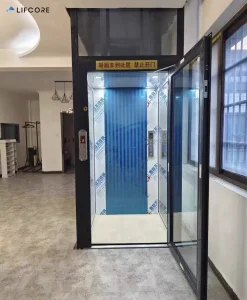
In aging urban centers, retrofitting legacy buildings with machine-room-less (MRL) gearless lifts reclaims prime architectural footprint. Compact overhead clearances and low-wattage standby modes allow developers to qualify for LEED Gold and Platinum certifications without altering structural load-bearing walls.
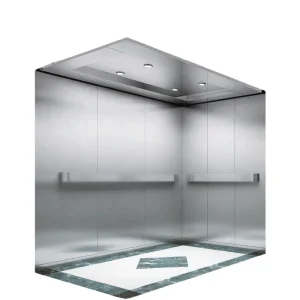
Hospital elevators demand 100% operational availability, anti-microbial interior finishes, and smooth jerk-free acceleration curves. Energy-efficient hospital bed lifts utilize ultra-precise VVVF positioning alongside back-up uninterruptible power supplies (UPS) to guarantee safe stretcher transport during power disruptions.
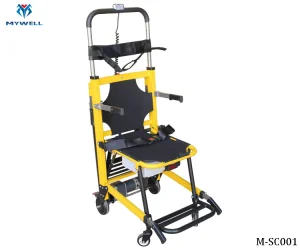
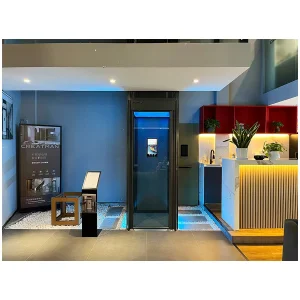
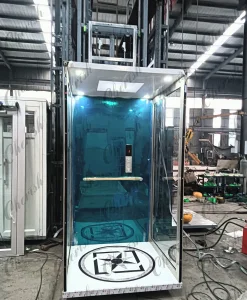
For residential accessibility, mini home platform lifts and stair lift chairs operate on single-phase 220V household power lines. Advanced battery management ensures smooth vertical travel with minimal standby leakage, supporting aging-in-place initiatives with minimal carbon overhead.
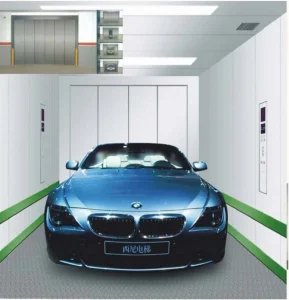
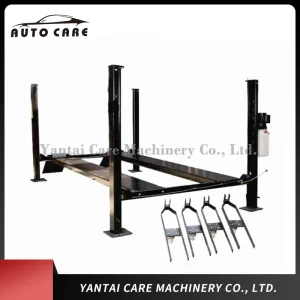
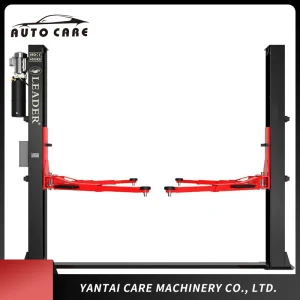
Heavy-duty automobile lifts (handling 3,000kg to 5,000kg loads) require torque distribution control. Heavy freight systems leverage high-torque PMSM traction machines to move heavy industrial vehicles while maintaining soft-start power stabilization.
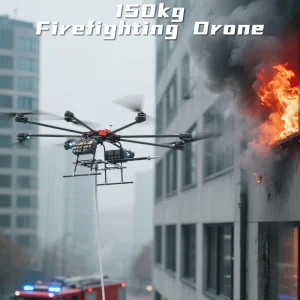
Modern smart industrial campuses combine high-capacity emergency lift shafts with remote firefighting UAV drone platforms. Drones provide early aerial inspection and suppression, while reinforced emergency lifts facilitate rapid evacuation and firefighter tactical ingress.
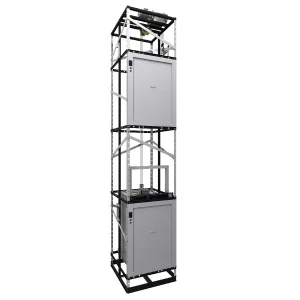
Multi-story restaurants and hotel kitchens utilize micro-scale service lifts (dumbwaiters). Micro-processor energy management shuts down internal heating/cooling elements during idle shifts, lowering baseline restaurant electrical costs.
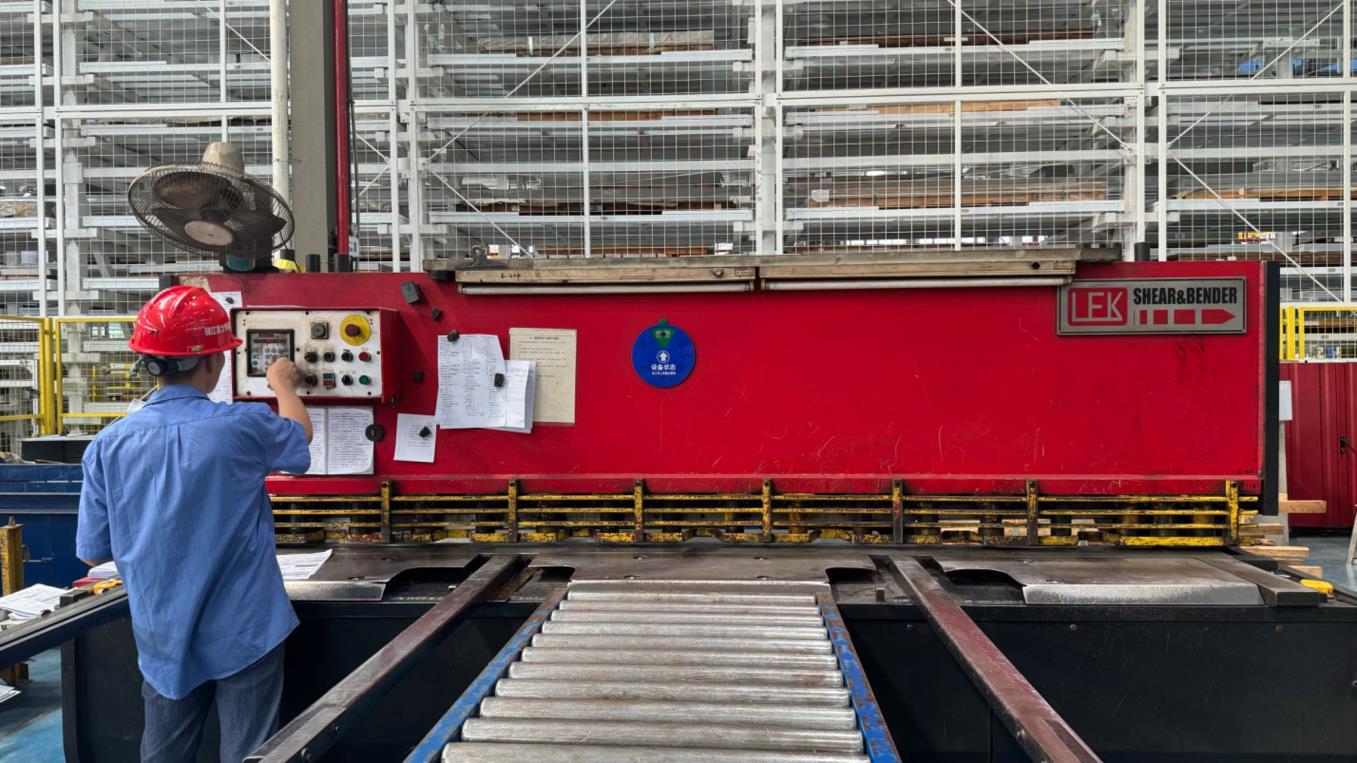
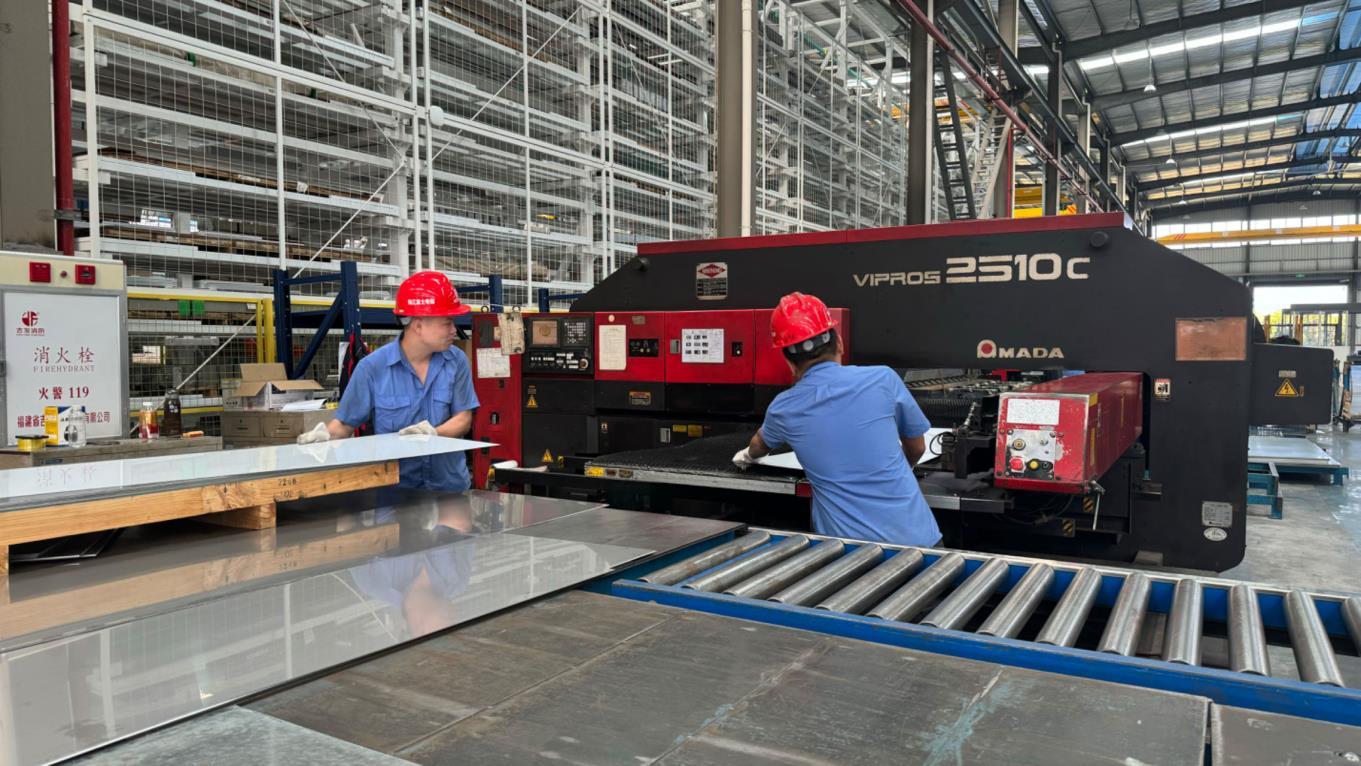
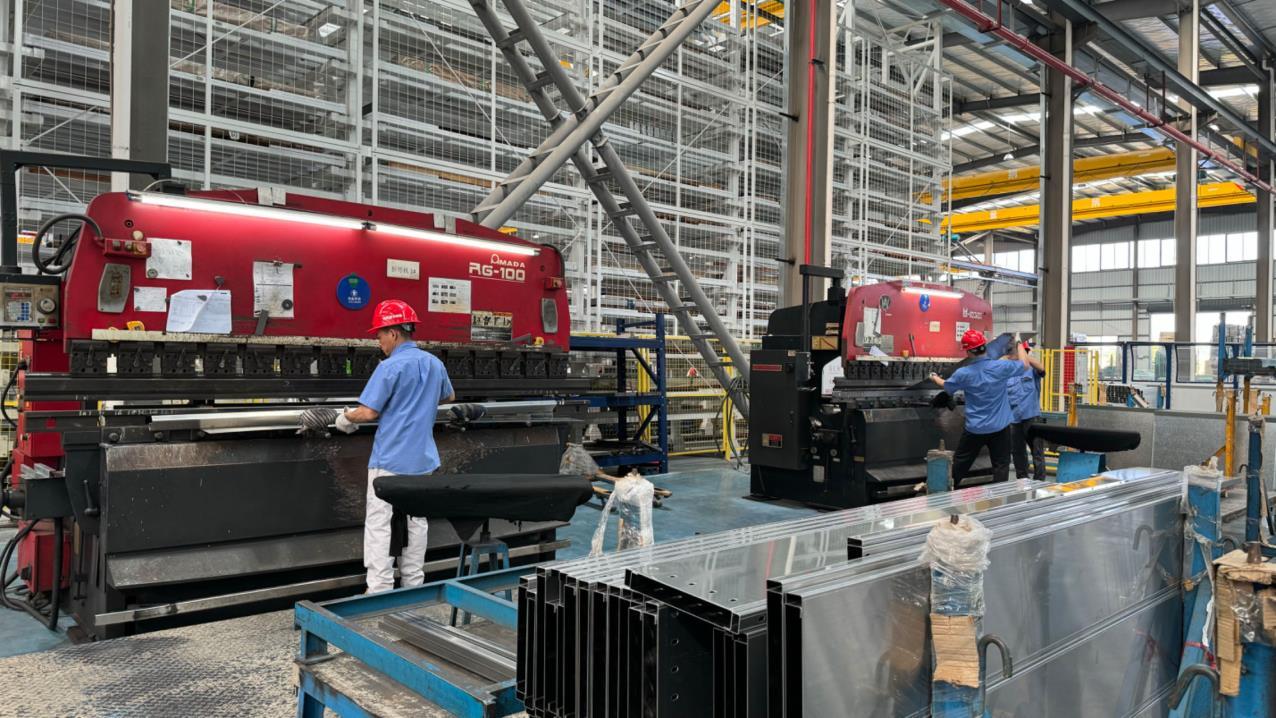
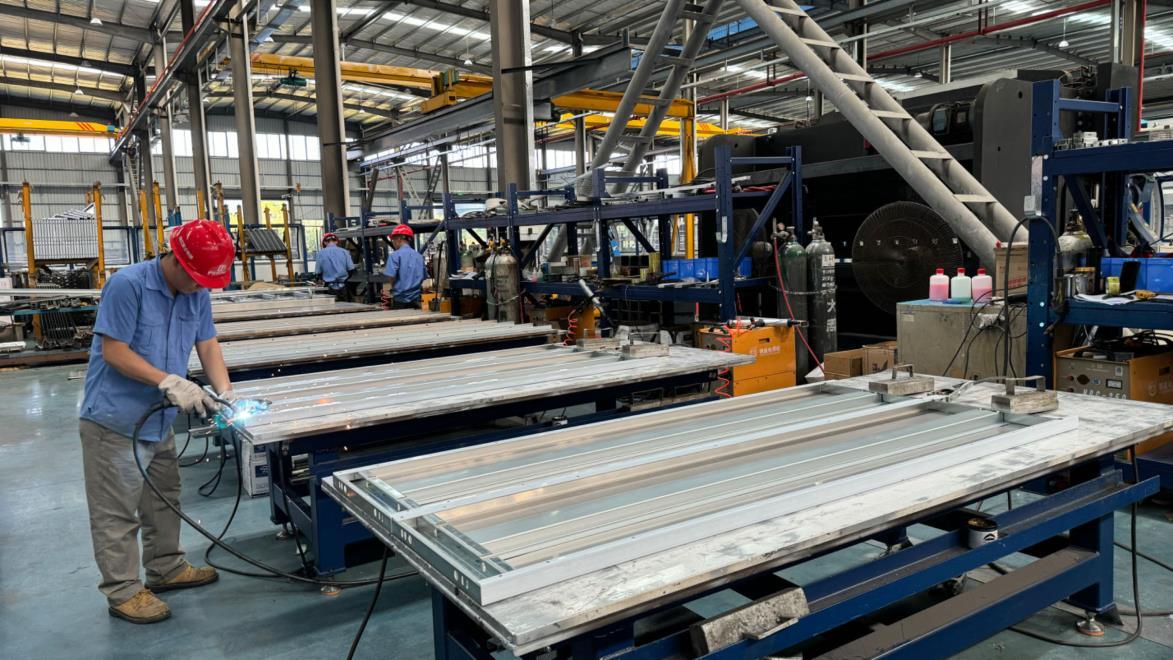
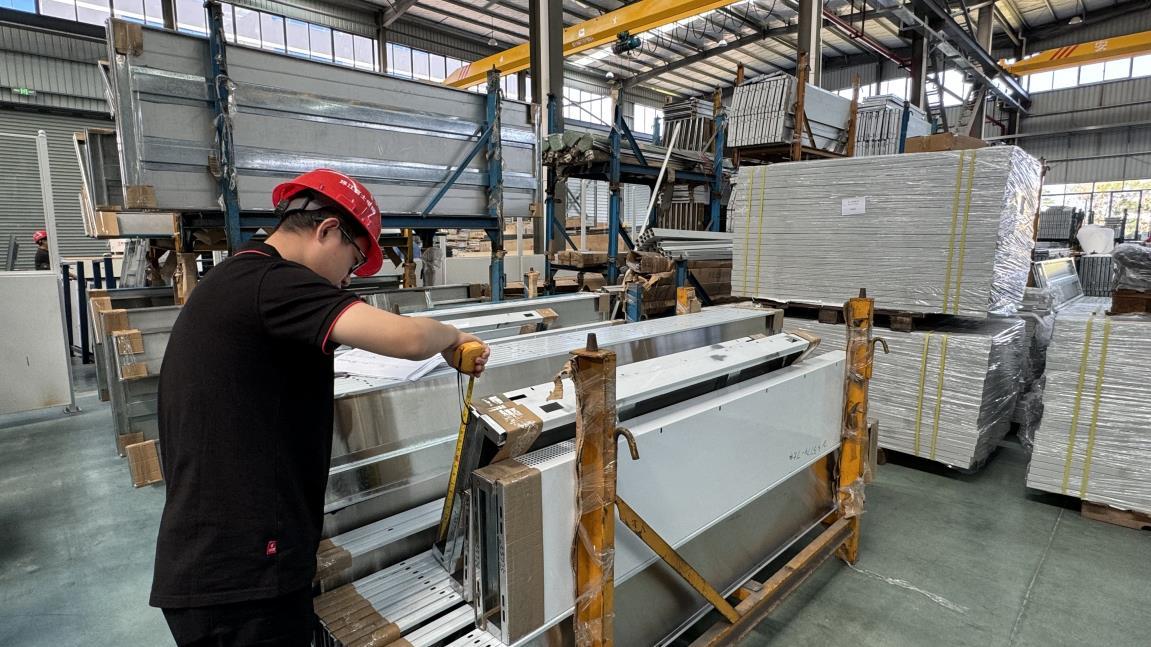
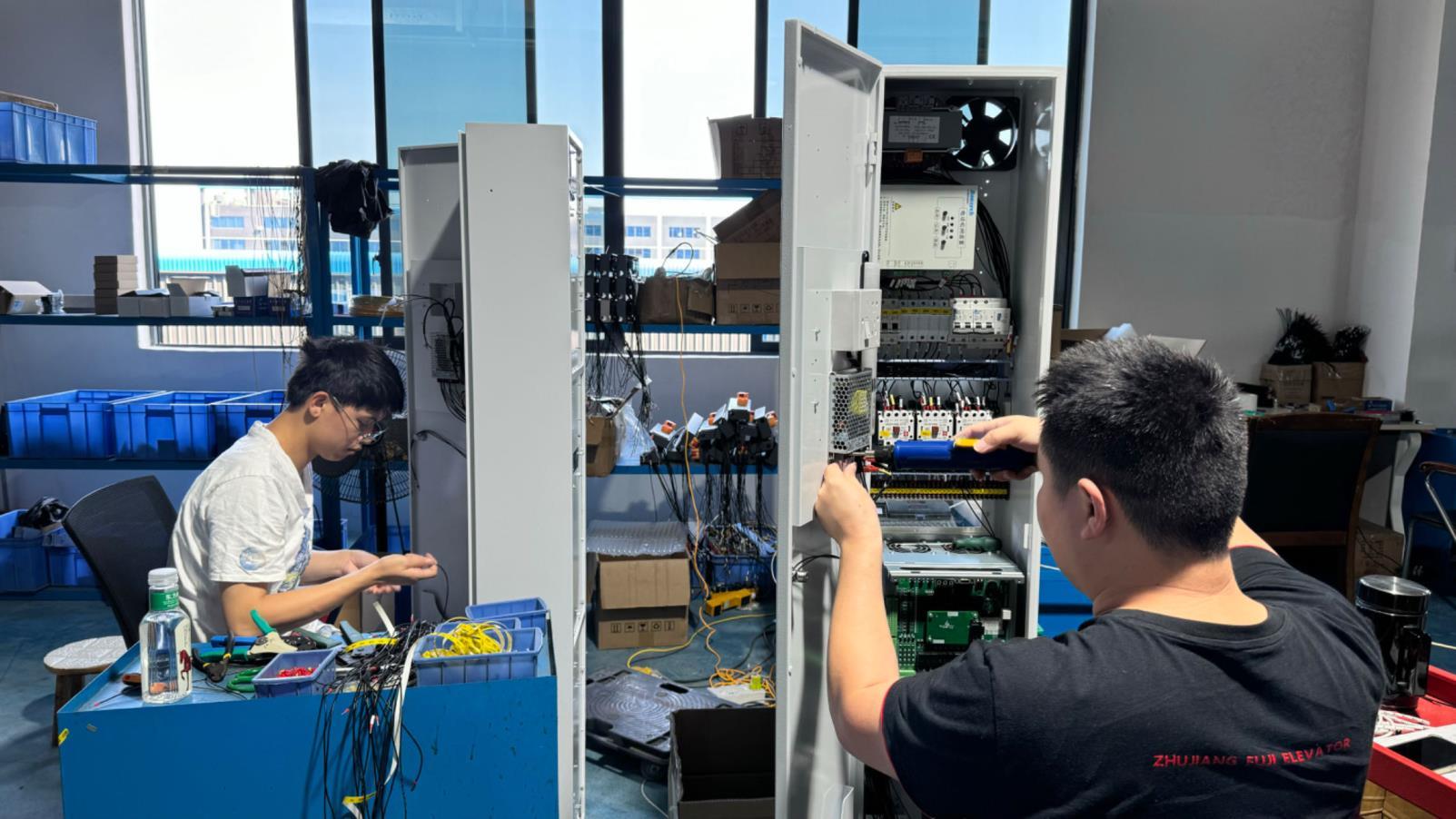
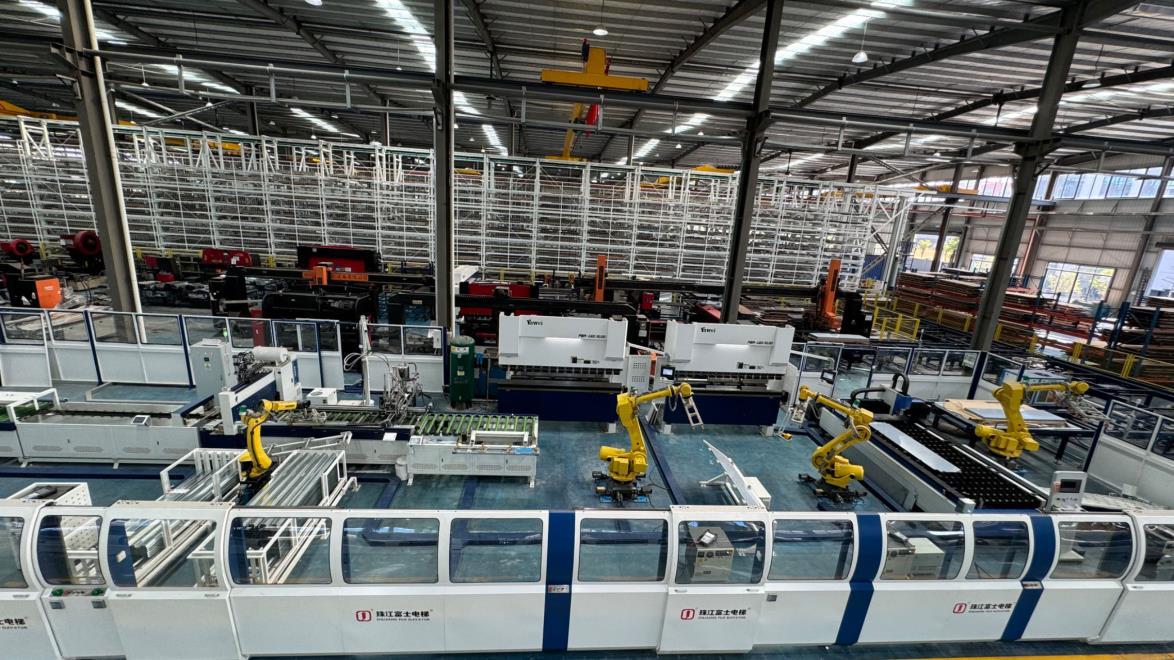
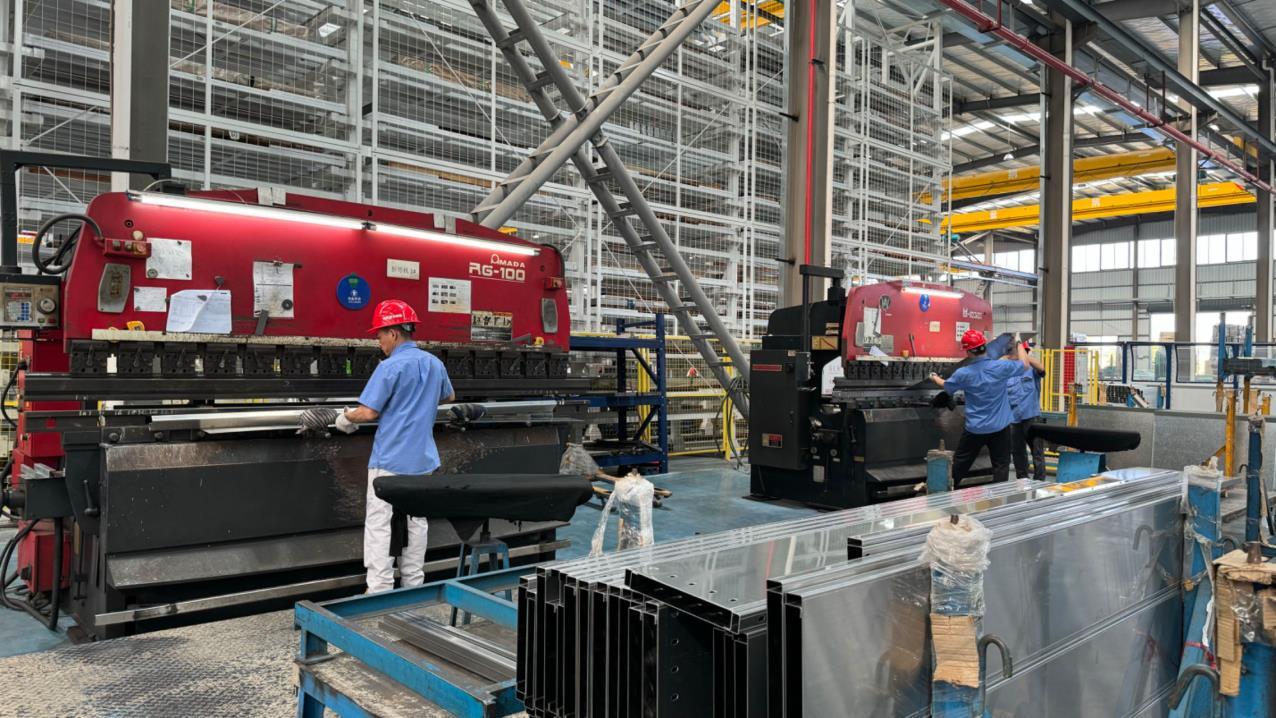
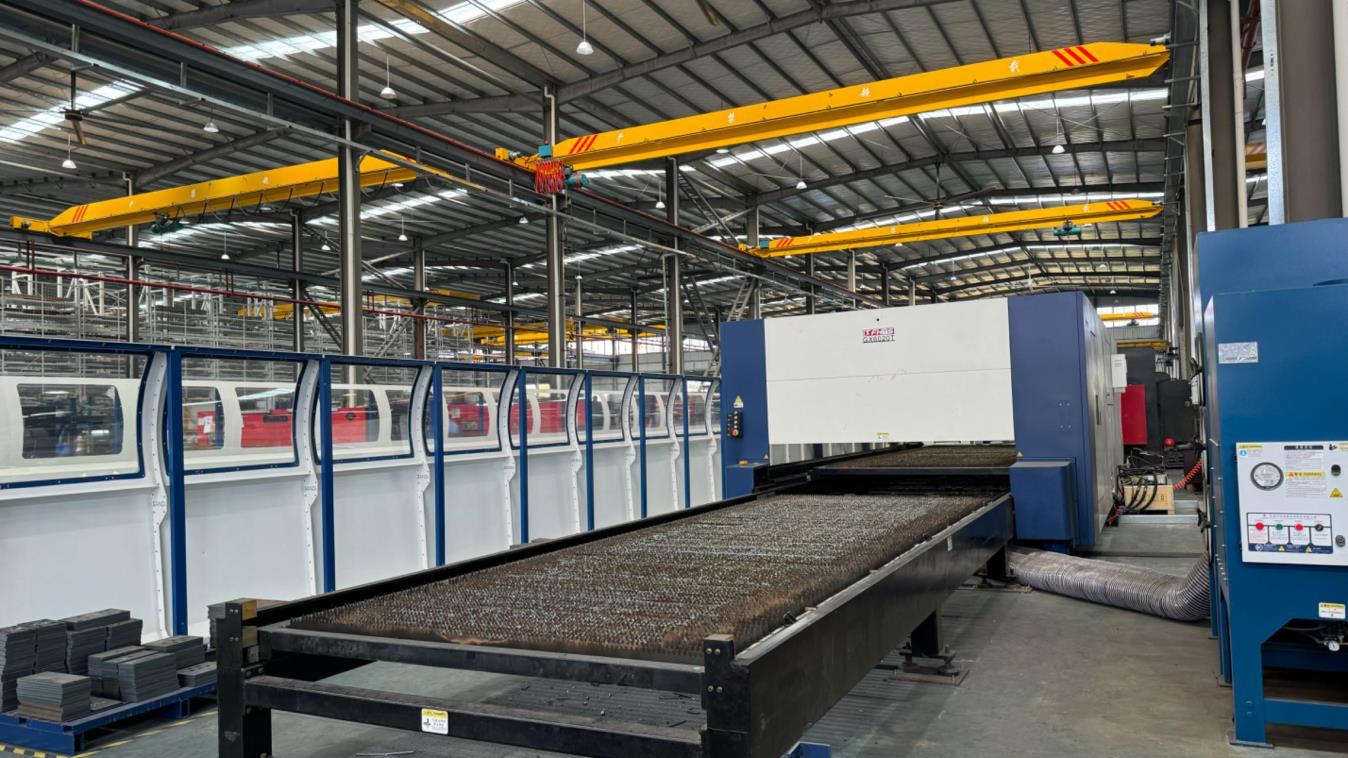
Inside an Industry 4.0 smart manufacturing base: precision engineering, automated laser fabrication, and rigorous quality control.
Guangzhou DHI Lift Co., Ltd. was established in 2016 and is located in Guangzhou, one of China’s most dynamic economic and manufacturing hubs. Benefiting from its strategic location and convenient transportation network, the company enjoys strong advantages in both domestic and international markets.
The company operates a modern manufacturing base with a construction area of over 45,000 square meters. It is a national A-level enterprise specializing in the design, manufacturing, installation, modernization, and maintenance of elevator systems and other vertical transportation equipment. In response to evolving market demands, Guangzhou DHI Lift Co., Ltd. has actively promoted industrial transformation and upgrading. By embracing intelligent manufacturing, the company has developed an advanced “Internet + Industry 4.0” smart factory equipped with automated production lines, precision testing systems, and digital management platforms.
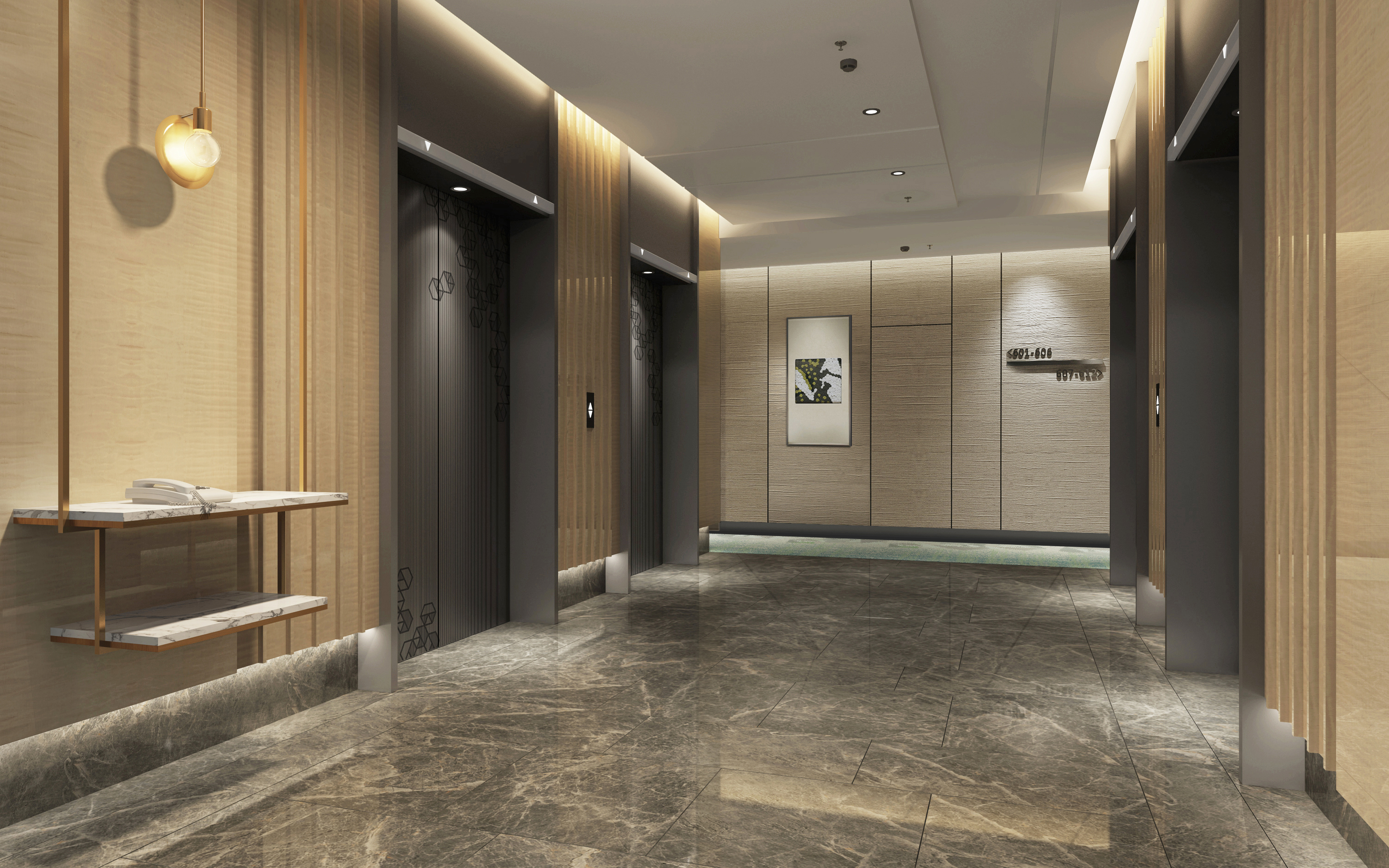
To ensure consistent excellence, the company strictly implements international management standards, including ISO9001 Quality Management System, ISO14001 Environmental Management System, and ISO45001 Occupational Health and Safety Management System, alongside refined 6S onsite management practices. These systems guarantee high product quality, environmental responsibility, and workplace safety throughout all stages of production.
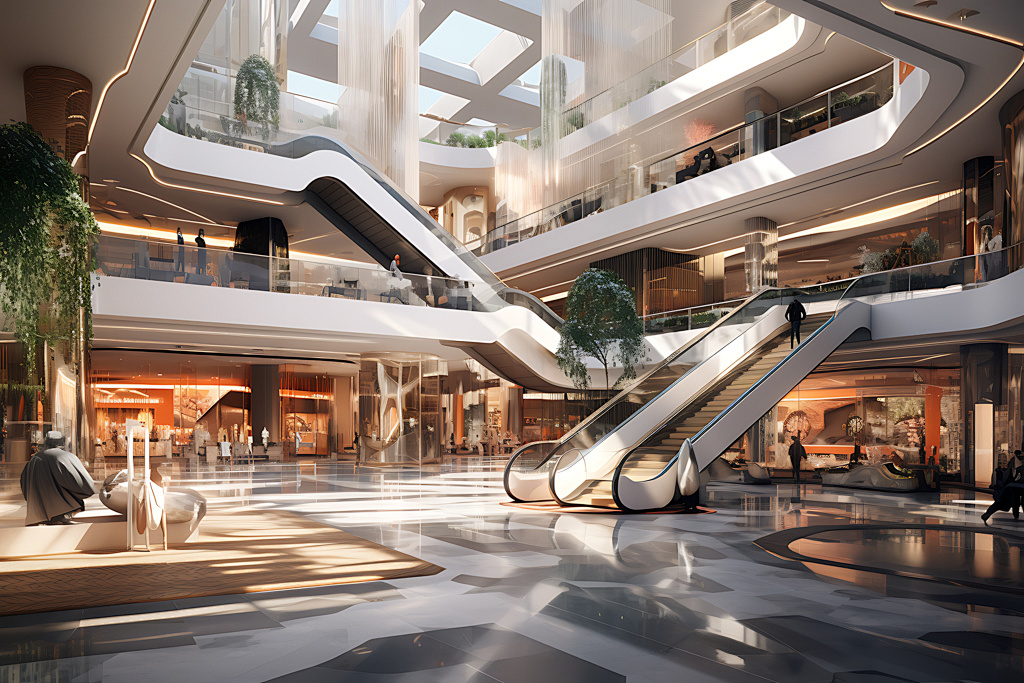
Guangzhou DHI Lift Co., Ltd. is committed to meeting diverse customer needs. Its product portfolio includes passenger elevators, freight elevators, hospital elevators, panoramic elevators, villa elevators, retrofit elevators for existing buildings, service elevators, escalators, and moving walkways. These products are widely used in residential complexes, commercial buildings, shopping centers, hotels, industrial facilities, medical institutions, transportation hubs, and public infrastructure projects.
Driven by the philosophy of “Quality First, Customer Foremost,” the company continuously enhances its service capabilities. It has established a 24-hour rapid response mechanism, supported by a highly skilled installation and maintenance team, as well as a nationwide spare parts supply network. In addition, the company is expanding its global footprint, providing customized solutions and technical support to clients in overseas markets. With a focus on safety, reliability, energy efficiency, and user comfort, Guangzhou DHI Lift Co., Ltd. is dedicated to delivering innovative vertical transportation solutions and creating safe, smooth, and intelligent mobility experiences for users worldwide.
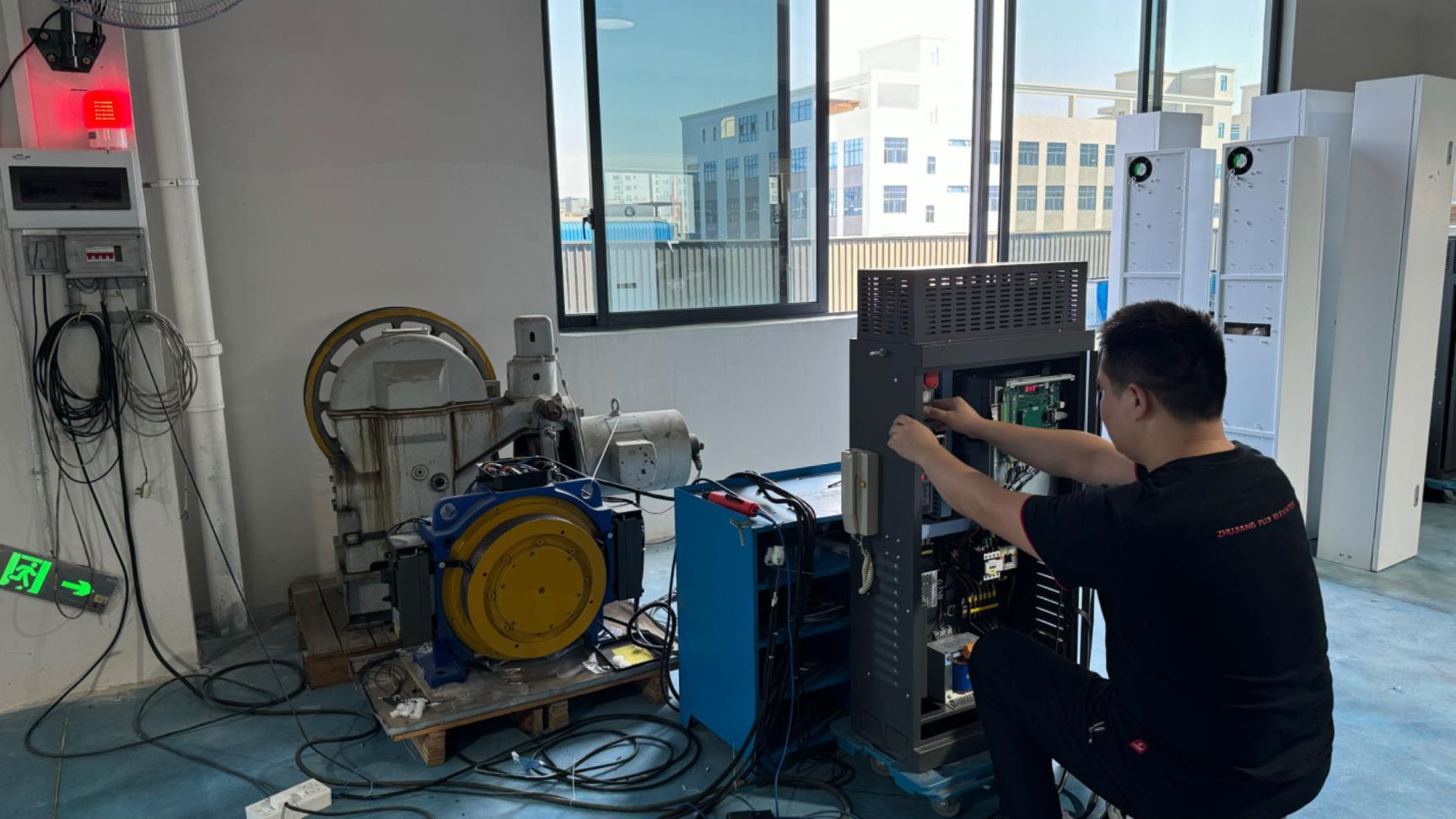
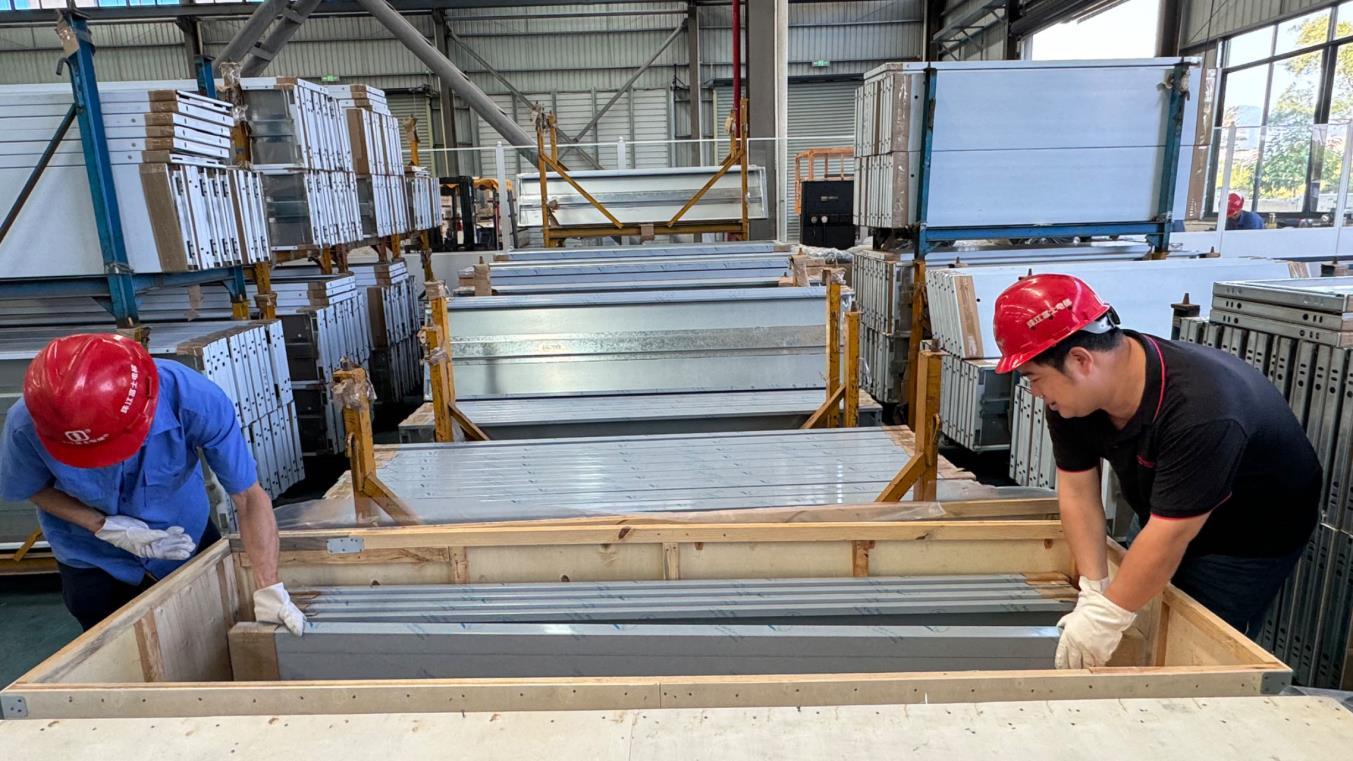
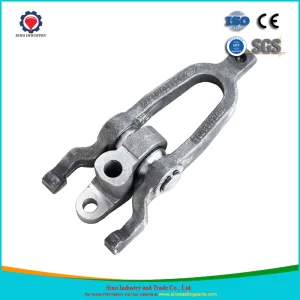
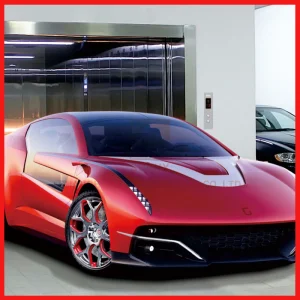
From precision OEM cast iron components to heavy vehicle platforms and specialized emergency lifting apparatus.
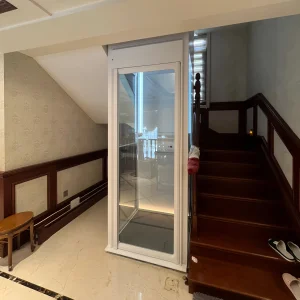
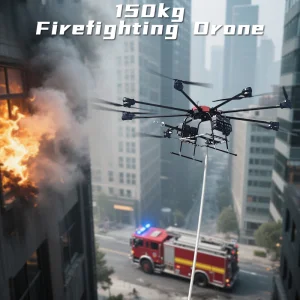
Ensuring operational reliability, regulatory compliance (EN81 / ASME A17.1), and rapid maintenance support worldwide.
All elevator components manufactured by Guangzhou DHI conform strictly to European Standard EN81 (EN81-20/50) and North American ASME A17.1 safety codes. Integrated double-safety gear systems, overspeed governors, and light-curtain door protection ensure complete passenger protection.
Elevator controllers are equipped with IoT sensors monitoring door cycle wear, drive temperature, vibration spectra, and electrical current profiles. Anomalies trigger automated technical alerts prior to component failure, lowering emergency downtime by up to 60%.
Leveraging Guangzhou's major international port infrastructure, critical replacement components, traction motors, and inverter boards are dispatched globally within 24 to 48 hours, ensuring minimal downtime for overseas facility managers.
Expert answers regarding energy savings calculation, regenerative drive return on investment, maintenance requirements, and custom ordering.
Regenerative drives (Regen systems) capture energy generated when an elevator car moves with a net imbalance in weight (e.g., heavily loaded car traveling down or light car traveling up). The motor acts as a generator, outputting AC power back through an active front-end inverter to the building's electrical distribution network. For medium and high-rise installations with high traffic intensity, regenerative energy recovery yields typical electricity reductions of 30% to 70%, delivering a financial payback on the drive premium within 2 to 4 years of operation.
Geared induction motors use mechanical worm gears to transfer rotational force, resulting in mechanical friction losses, higher energy consumption, thermal loss, and requirements for oil lubrication. In contrast, Gearless Permanent Magnet Synchronous Motors (PMSM) drive the traction sheave directly. PMSMs eliminate mechanical friction losses, operate at higher power factors, consume zero oil, and consume up to 50% less energy under identical load profiles.
ISO 25745-2 specifies a standard method to measure and classify energy consumption of elevators on a daily and annual basis. It considers running energy (kWh consumed per meter traveled per load), standby power consumption (W spent when idle), and door operating cycles. Systems rated Class A represent the highest level of energy performance, achieving minimal standby draw (<5W-50W depending on features) and high regenerative efficiency.
Yes. Modernization projects can upgrade older geared or two-speed traction systems by replacing the control panel with a smart VVVF inverter controller, upgrading to a gearless PMSM motor, and adding LED lighting with smart sleep modes. Modernizing an existing hoistway typically reduces elevator energy draw by 40% to 60% without structural shaft modifications.
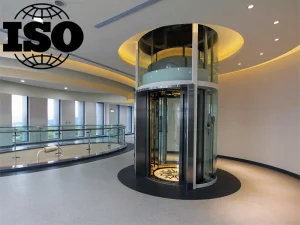
Guangzhou DHI Lift Co., Ltd. provides full engineering customization including Machine-Room-Less (MRL) designs, panoramic circular glass cabins, medical anti-bacterial stretcher lifts, high-tonnage automobile platform hoists (3,000kg - 5,000kg), and non-standard shaft dimensions. Integrated automated laser cutting and CNC bending allow bespoke cabin designs tailored to exact architectural specifications.
When an elevator remains idle for a programmed interval (e.g., 2 to 5 minutes), the smart control unit triggers standby sleep mode. This automatically de-energizes cabin lighting, turns off ventilation fans, dims indicator displays, and puts the main inverter into low-power sleep mode, bringing idle power usage down to under 10 watts. Upon receiving a hall landing call, the system instantly reactivates in milliseconds.
 DHI Lift