In the context of modern architectural design and smart urban development, the term "Non-Profit Elevators" refers to heavy-duty, highly accessible, and low-operational-cost vertical transportation solutions engineered specifically for municipal infrastructure, public housing, charity operations, community hubs, and non-profit organization (NPO) facilities. Unlike private commercial luxury lifts, these systems prioritize universal design, high-frequency durability, extreme energy efficiency, and low Total Cost of Ownership (TCO).
Globally, urban development projects are increasingly governed by stringent equity laws. Legislative frameworks such as the Americans with Disabilities Act (ADA) in the United States, the European Accessibility Act (EAA), and national building codes in developing nations require public facilities to feature barrier-free vertical transit. Non-profit elevators serve as the cornerstone of these mandates, ensuring that low-income citizens, the elderly, and disabled populations enjoy equal mobility privileges within public ecosystems.
Moreover, the global trend toward sustainable social housing and green building certifications (such as LEED and BREEAM) has fundamentally altered the purchasing requirements of institutional buyers. Municipalities and NGOs are no longer evaluating systems based solely on initial procurement cost. Instead, they look for products with low lifecycle environmental impact, high energy-regeneration capabilities, and minimum maintenance downtime, transforming how modern elevator factories design their product lines.
Guangzhou DHI Lift Co., Ltd. was established in 2016 and is strategically located in Guangzhou, one of China’s most dynamic economic, technological, and manufacturing hubs. Leveraging our prime location and a highly integrated domestic supply chain, we deliver superior vertical transit systems to public, private, and social sector buyers worldwide.
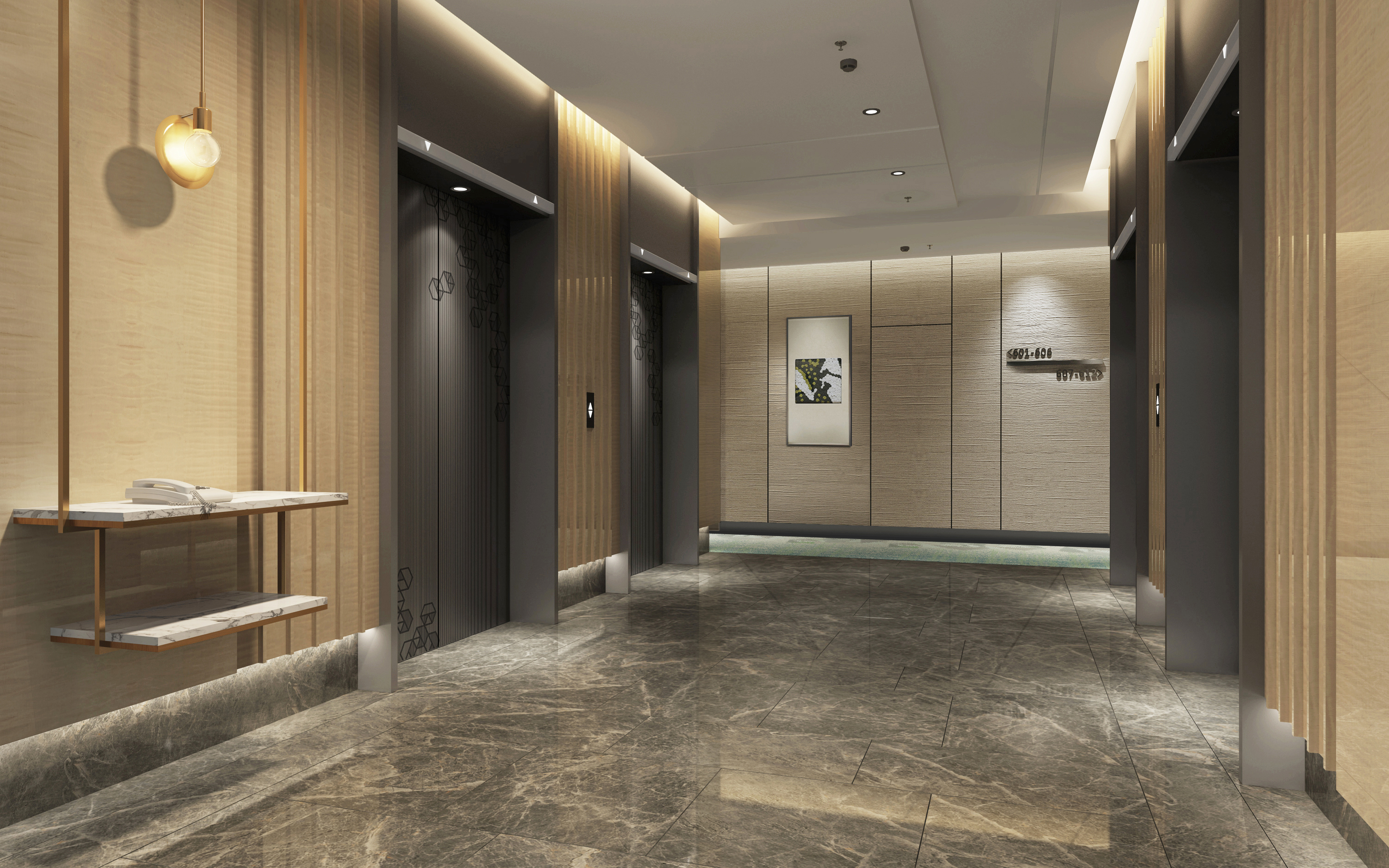
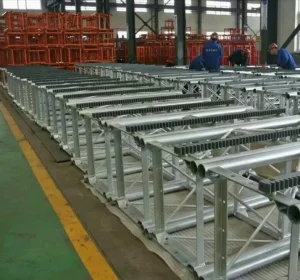
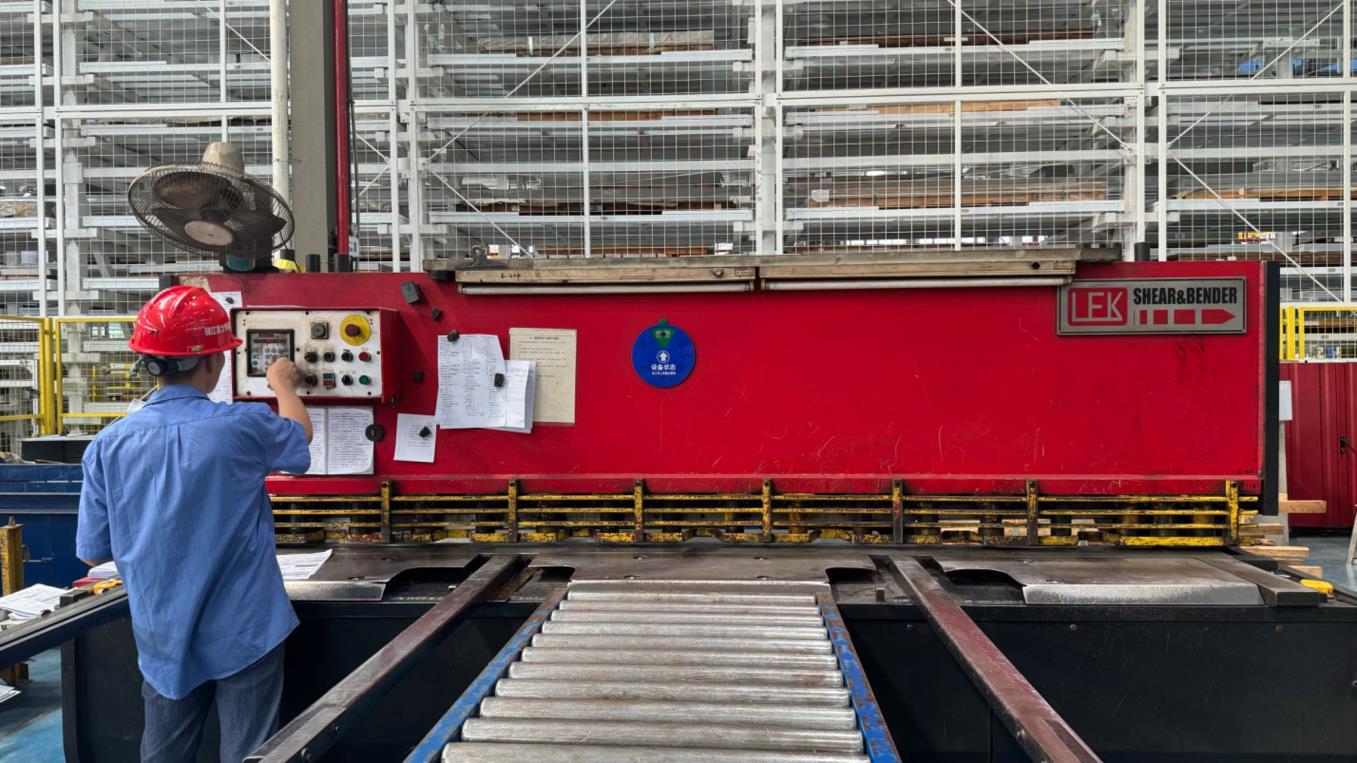
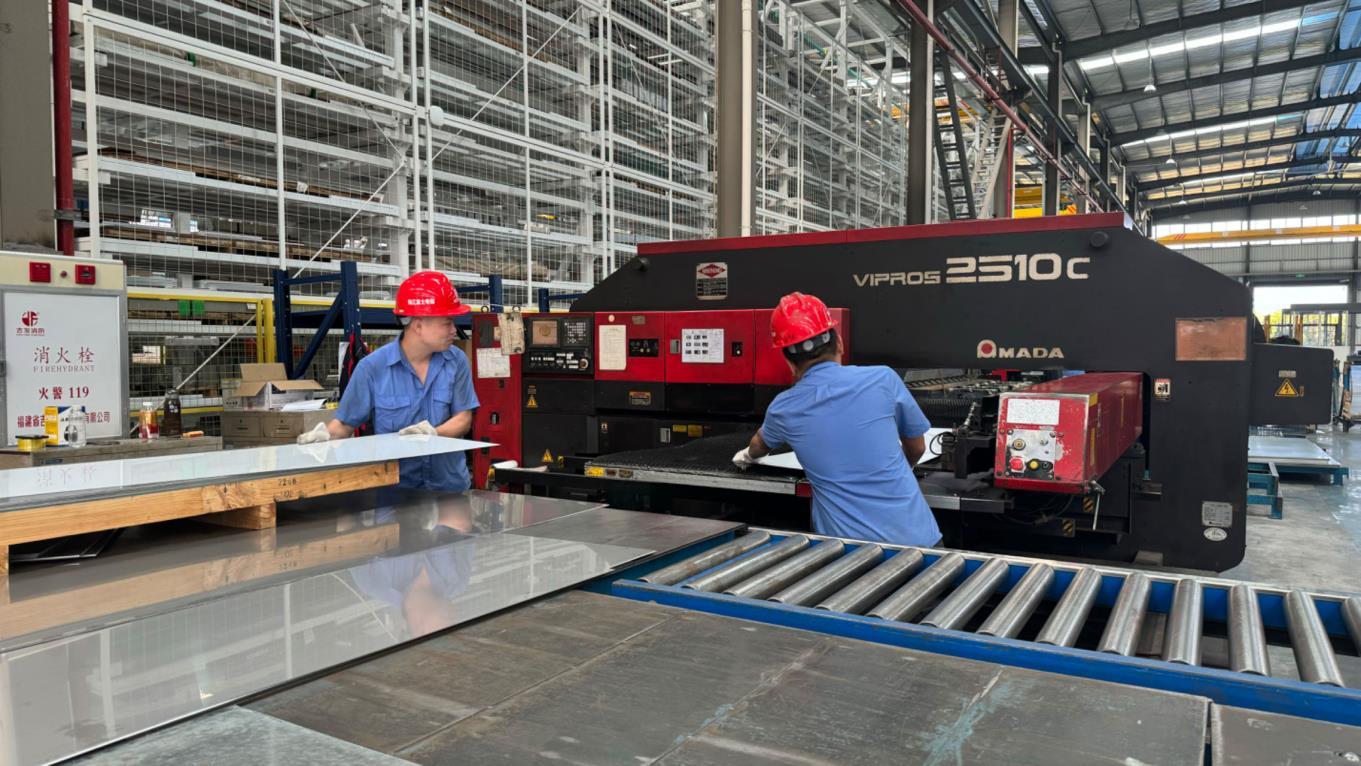
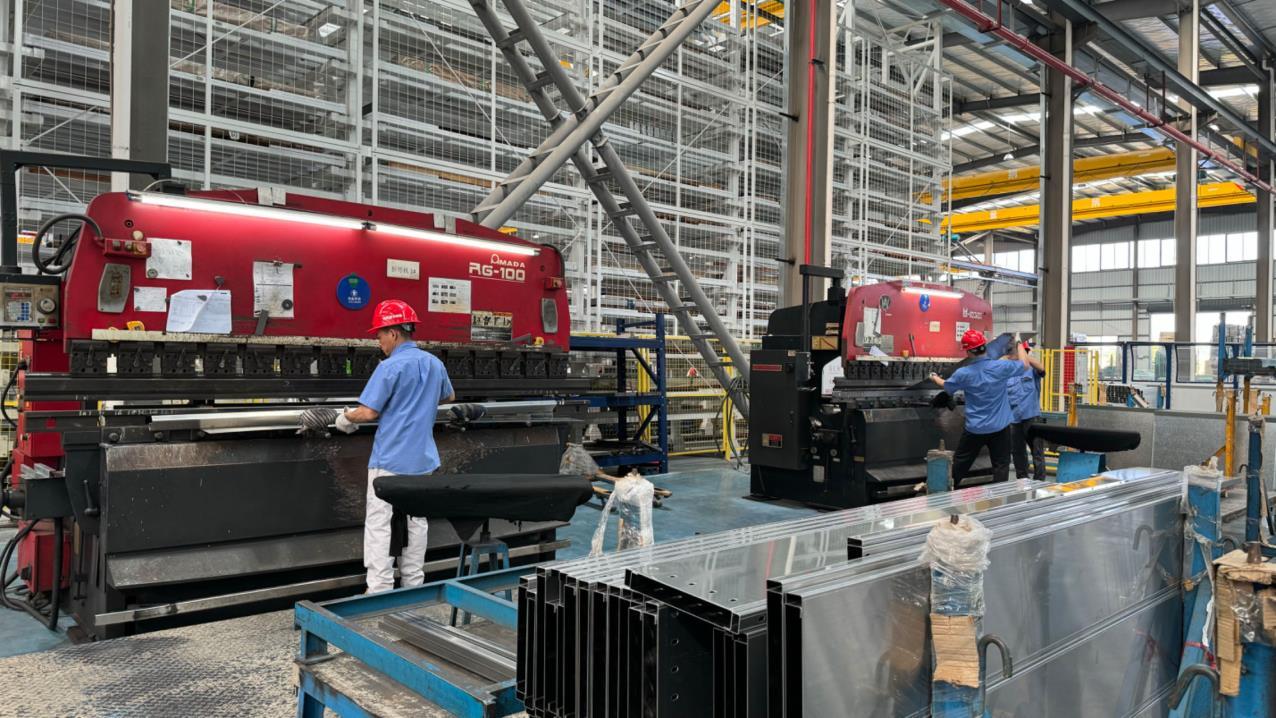
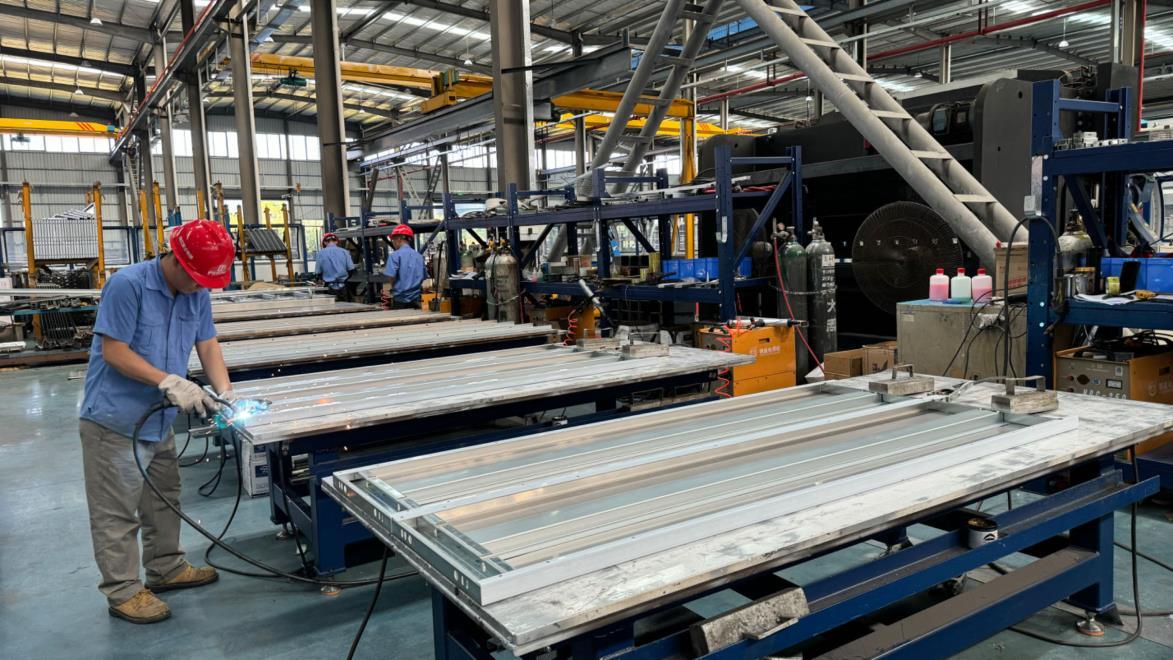
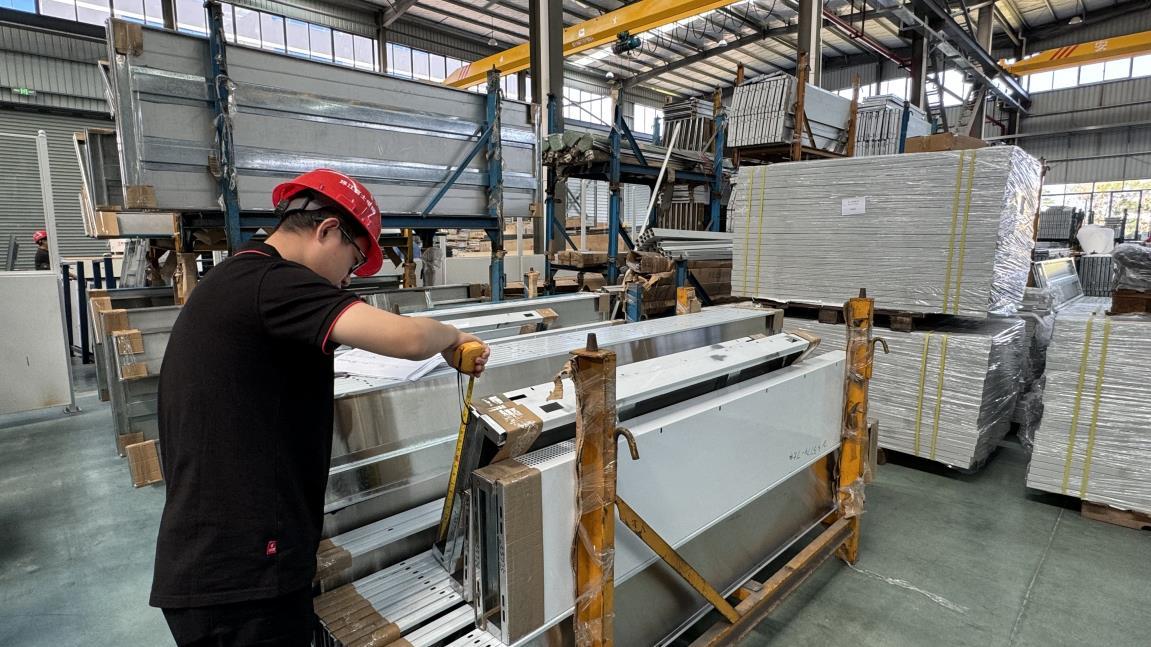
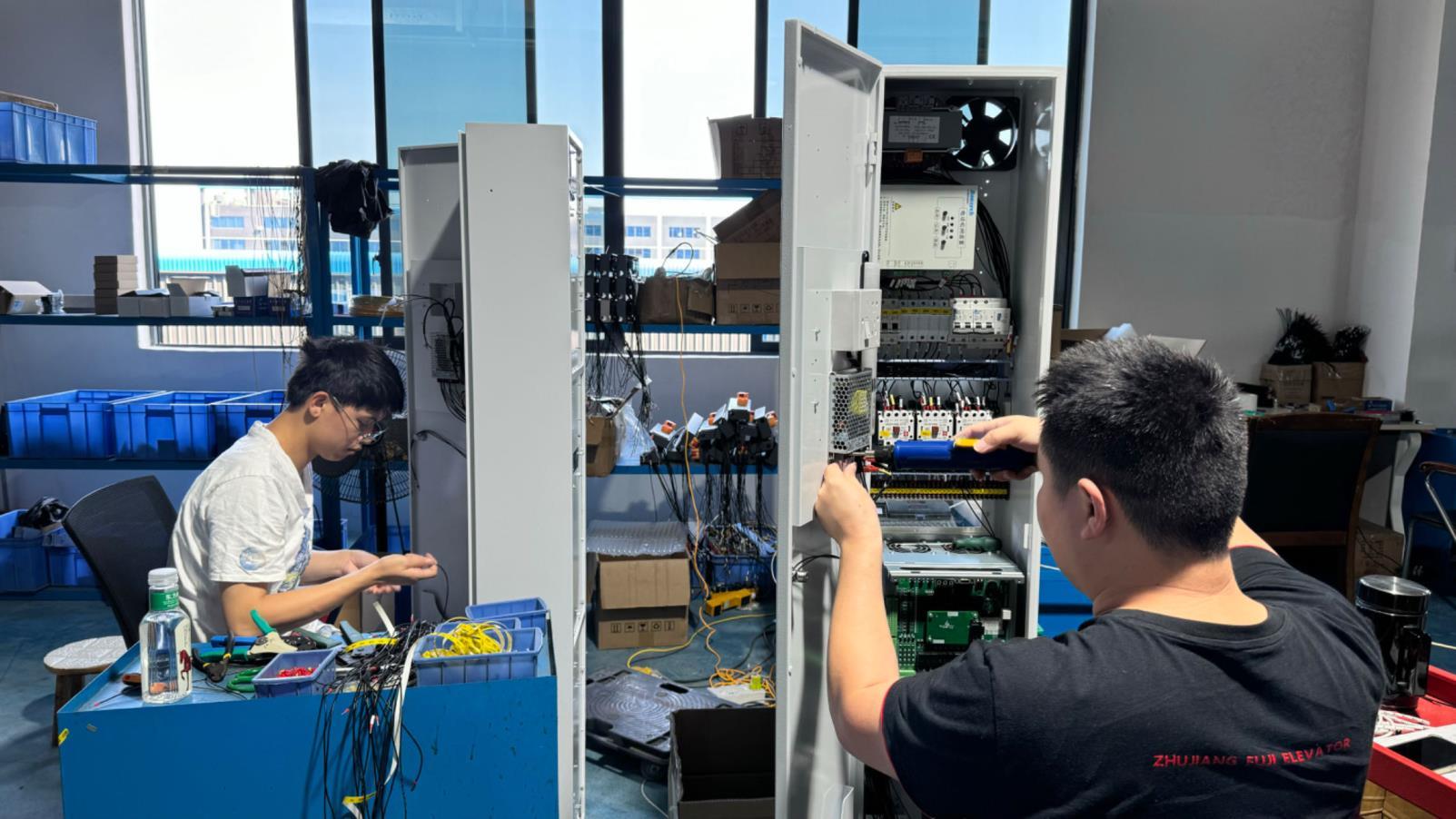
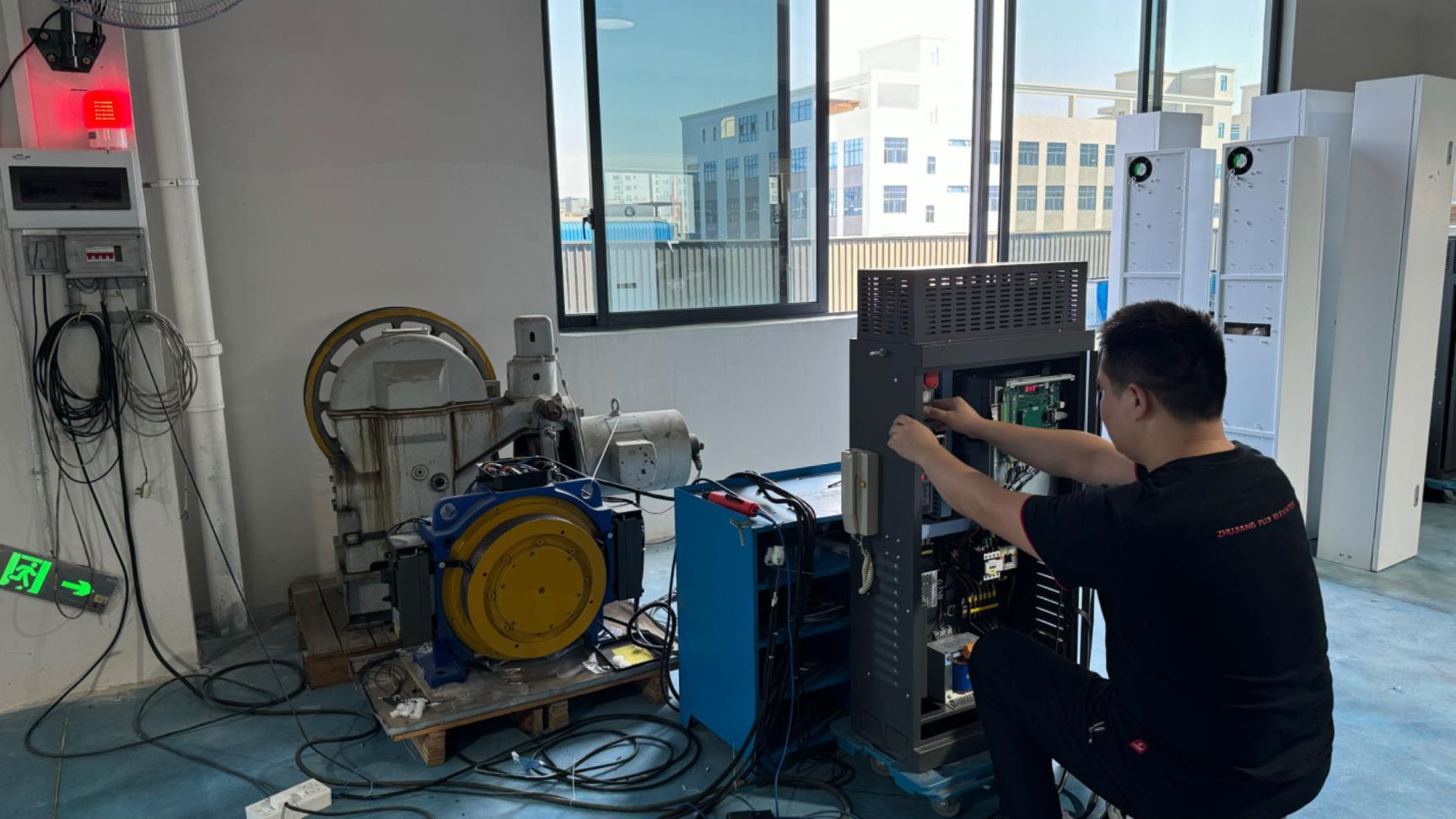
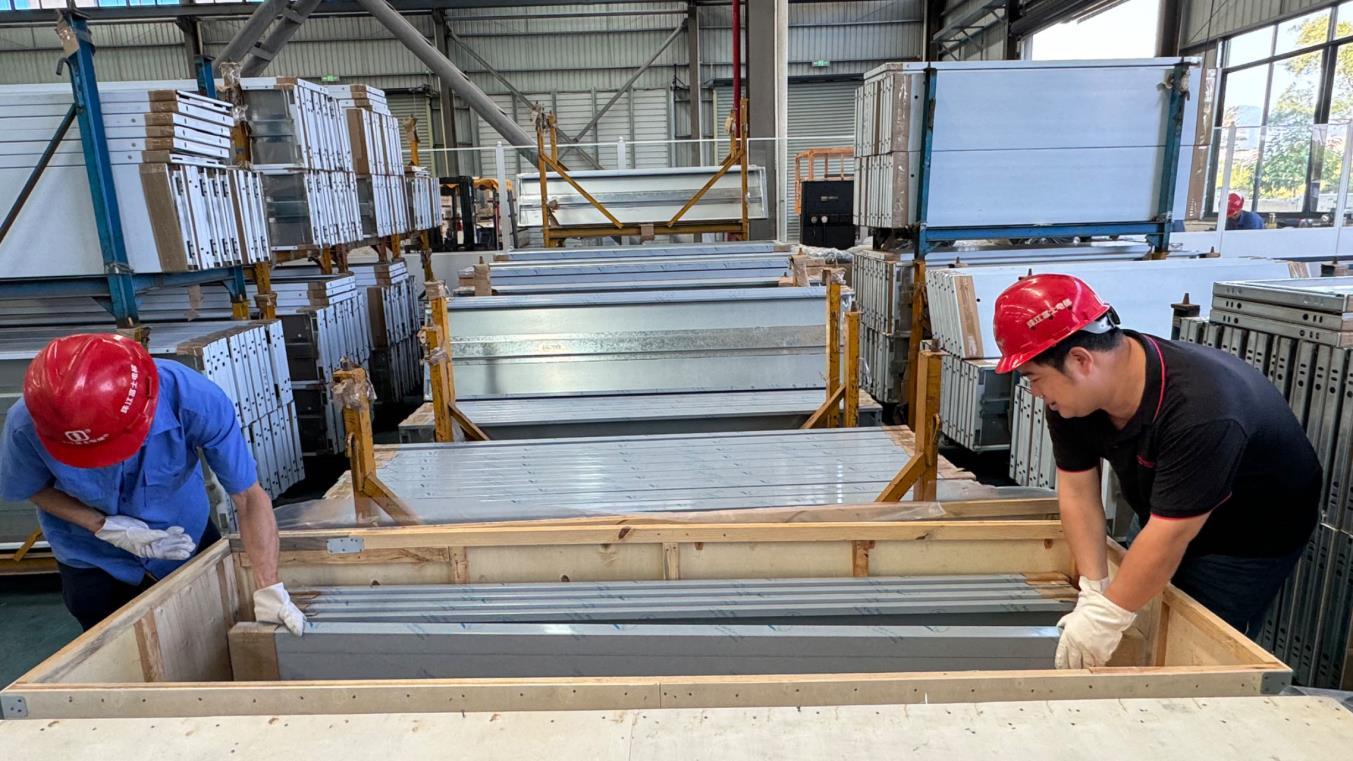
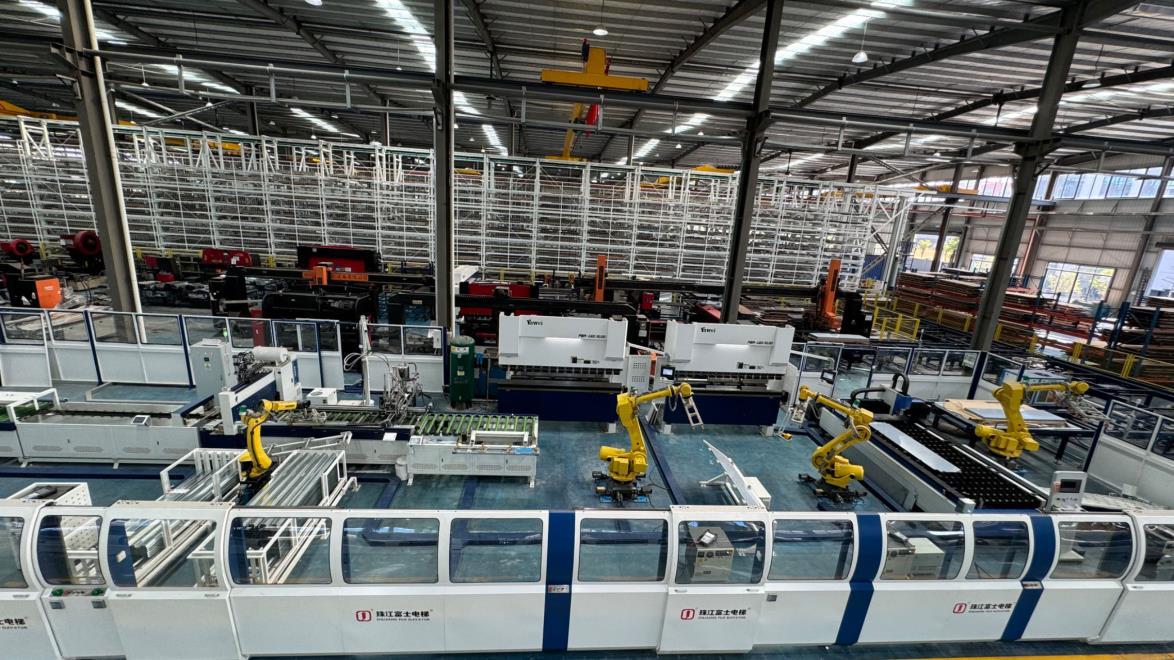
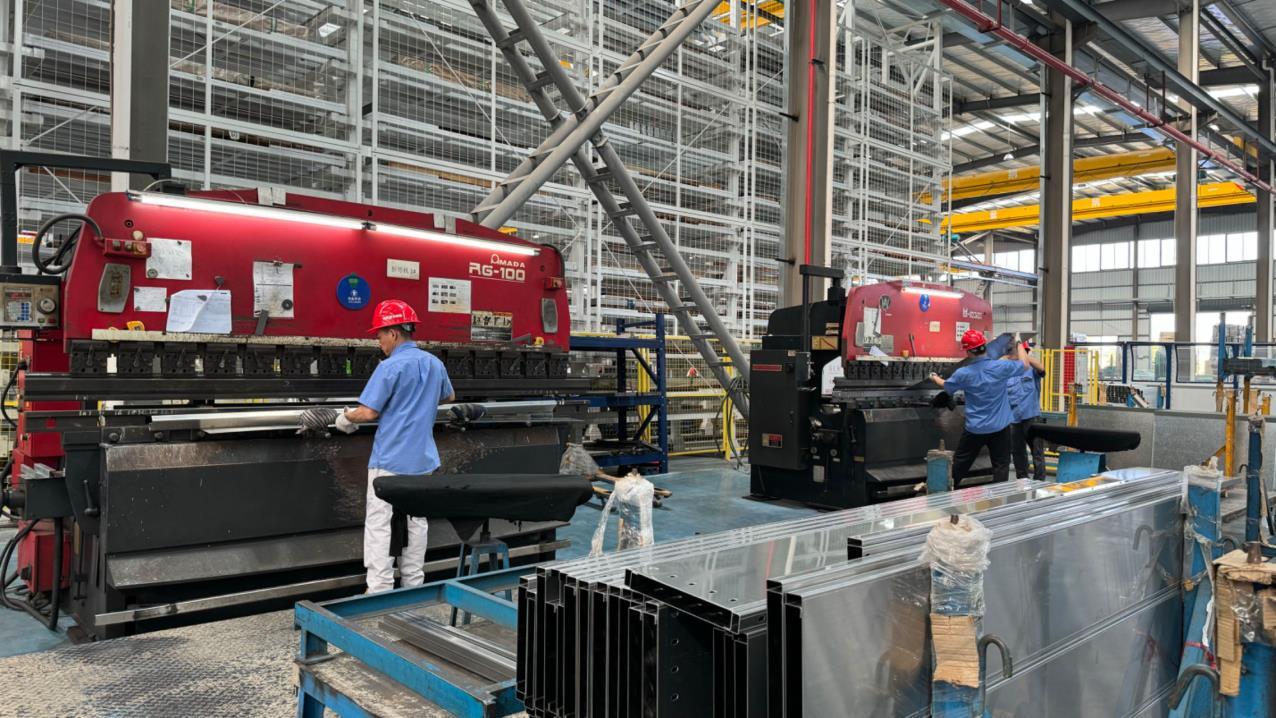
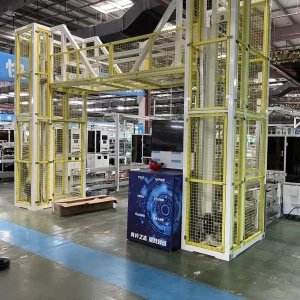
We operate a modern manufacturing base spanning over 45,000 square meters. As a national A-level enterprise, our competencies span the complete lifecycle of elevator technology: advanced design, precision manufacturing, professional installation, custom modernization, and maintenance of specialized elevator systems. Responding to the wave of digital transformation, Guangzhou DHI Lift Co., Ltd. has developed an advanced "Internet + Industry 4.0" smart factory. By integrating automated robotic lines, smart precision testing units, and real-time ERP databases, we maintain consistent product quality and absolute dimensional accuracy.
To assure absolute safety and operational integrity, our processes align with rigorous global benchmarks. We are fully certified under ISO9001 (Quality Management System), ISO14001 (Environmental Management System), and ISO45001 (Occupational Health and Safety Management System), supported by refined onsite 6S management principles. These frameworks keep our production processes secure, sustainable, and capable of meeting international tender conditions.
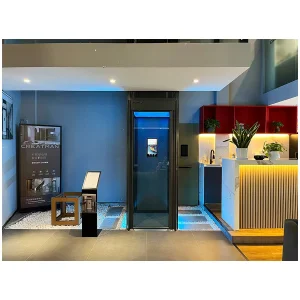
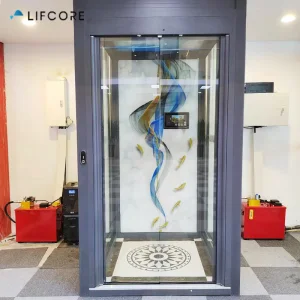
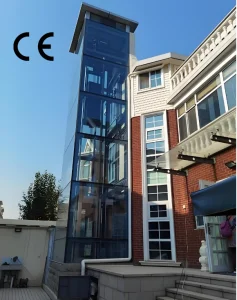
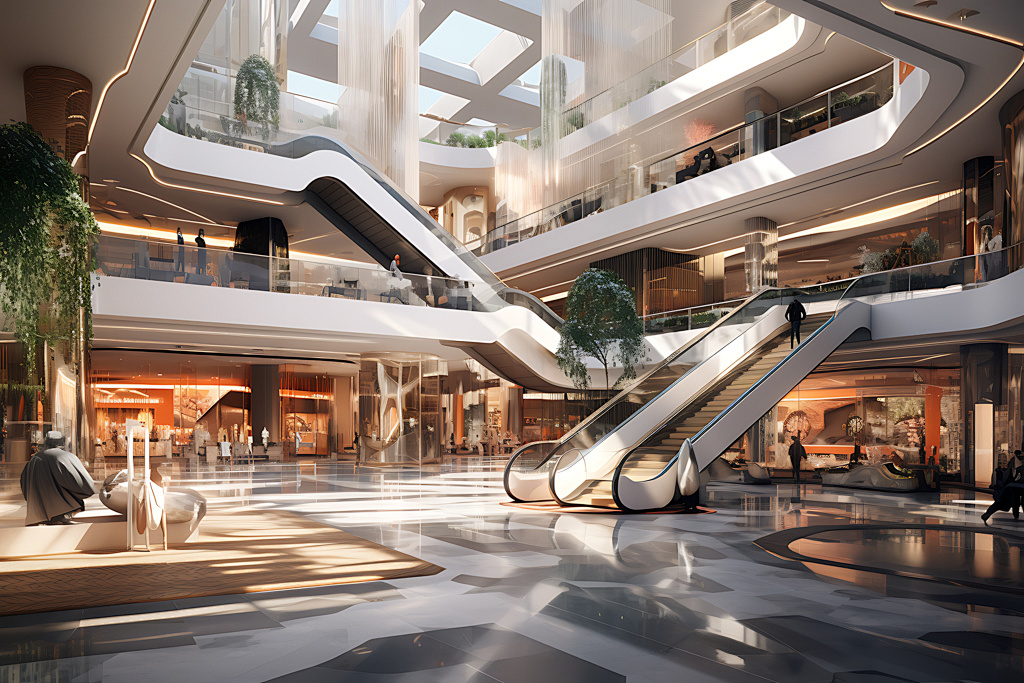
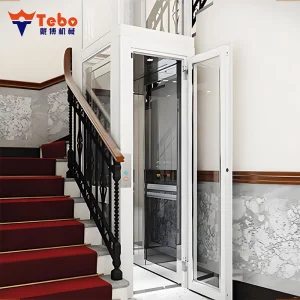
Our dynamic product range includes: passenger elevators, freight elevators, hospital elevators, panoramic elevators, villa elevators, retrofit elevators for existing buildings, service elevators, escalators, and moving walkways. These products are widely deployed in residential developments, municipal offices, commercial centers, healthcare centers, transport hubs, and public infrastructure projects worldwide.
Modern vertical transportation solutions require minimum energy consumption. Integrating VVVF (Variable Voltage Variable Frequency) speed controls and energy regenerative systems converts dynamic braking energy back into usable electricity for the building's main power grid, cutting energy costs by up to 30%.
Global standards, including ADA guidelines and EN 81-70, mandate that lift designs accommodate wheelchairs, visually impaired persons, and individuals with hearing loss. Features include voice guidance, braille buttons, wider doorways, and high-contrast digital readouts.
By using cloud-linked sensors, contemporary elevator networks track mechanical wear, ride quality, and real-time cycle counts. Real-time predictive maintenance prevents sudden failures, protecting public passenger transit networks from disruption.
To ensure high durability and long life under heavy duty cycles, DHI's engineering roadmap incorporates three critical design frameworks:
Traditional geared elevators demand substantial mechanical space and require regular oil changes, posing long-term environmental hazards. DHI's traction systems utilize PMSM gearless machines. This design features a highly compact layout that eliminates the gear shift assembly, thereby reducing noise, vibration, and energy dissipation. The absence of industrial gear oil aligns with strict municipal environmental mandates.
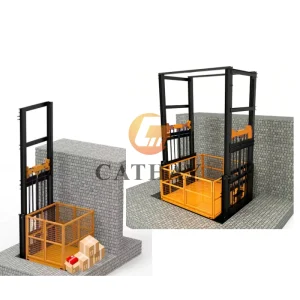
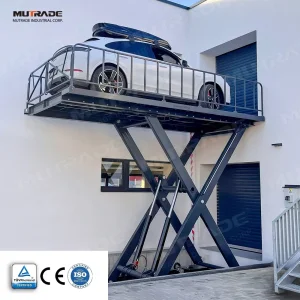
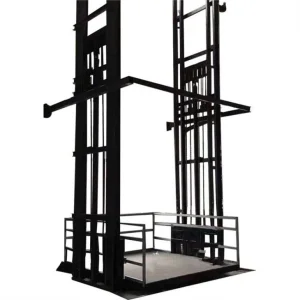
For high-capacity freight elevators (up to 20 Tons) and low-rise villa or stair platforms, hydraulic propulsion remains the most durable and cost-effective method. Our hydraulic units implement proportional valve flow management, ensuring smooth acceleration and deceleration curves that minimize mechanical fatigue on structural guide rails.
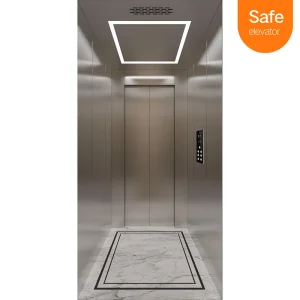
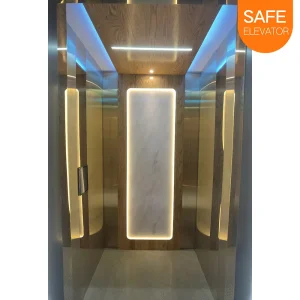
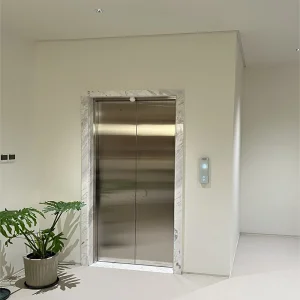
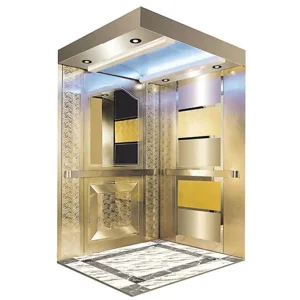
Public elevators situated in transit centers, social housing developments, and outdoor structures are susceptible to wear and vandalism. Our specialized public cabins employ high-grade SUS304 brushed stainless steel paneling, water-resistant control consoles, high-impact polycarbonate buttons, and fire-resistant internal elements to guarantee structural and operational longevity.
Challenge: High-frequency use, high occupancy rates, and restricted municipal maintenance budgets.
Solution: MRL (Machine Room-Less) traction passenger lifts equipped with energy regeneration, high-traffic-resistant cabin finishes, and IoT diagnostic remote monitors. Optimizing the shaft layout maximizes habitable building space.
Challenge: Need for smooth travel curves, precise floor levelling, and wide entryways for medical machinery.
Solution: Specialized passenger lifts with micro-level automatic floor realignment, extended door-open timers, and anti-bacterial cabin materials to ensure patient safety and comfort.
Challenge: Vertical transport of extremely heavy industrial goods, vehicles, and raw materials.
Solution: Heavy-duty hydraulic freight elevators featuring rigid frame enclosures, anti-skid floor plates, and structural reinforcement to endure heavy forklift operations.
 DHI Lift