Explore our primary range of custom-designed, energy-efficient elevators and industrial lift platforms engineered to fit unique structural architectural requirements.
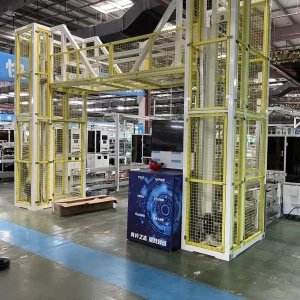
In high-density architectural design and large-scale industrial projects, vertical transportation (VT) systems are no longer treated as simple hardware purchases. They are high-liability, critical infrastructure components. Global procurement managers, EPC contractors, and real estate developers face complex challenges in matching building passenger flow requirements with cost-efficient, long-lasting machinery.
The core of contemporary VTS procurement lies in safety compliance, engineering adaptability, and energy efficiency. Selecting a vertical transportation supplier requires in-depth verification of design standards (such as EN 81-20/50, ASME A17.1, or local building regulations), cabin interior aesthetics, motor performance (Permanent Magnet Synchronous Gearless technology), and control system reliability. From retrofitting heritage properties to setting up 15-ton heavy-duty hydraulic cargo systems, customization is the key differentiator for modern architectural success.
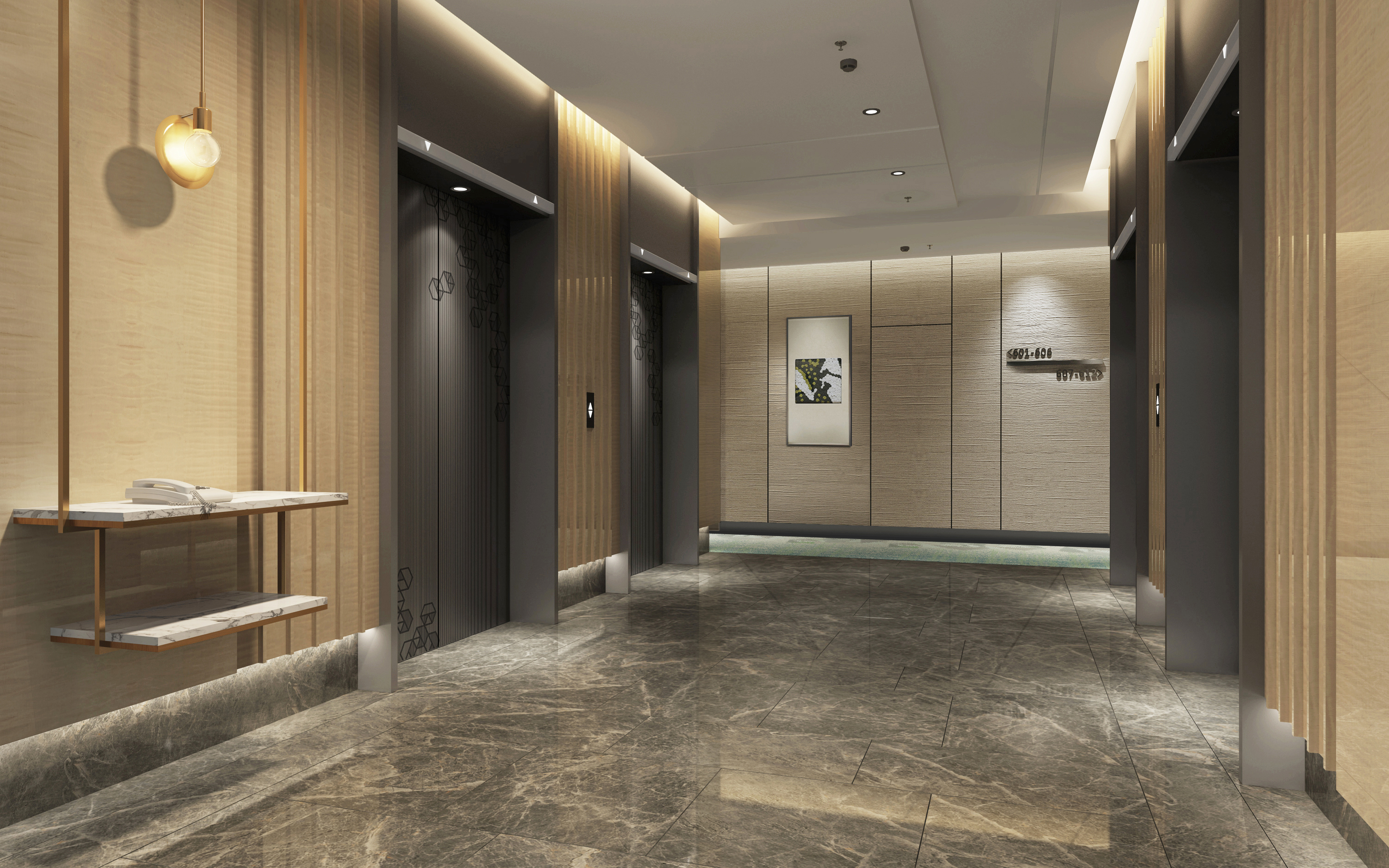
Established in 2016, Guangzhou DHI Lift Co., Ltd. is located in Guangzhou, one of China’s most dynamic economic, technological, and manufacturing hubs. Leveraging our strategic position and seamless transport links, we serve domestic and global markets with high-precision vertical mobility technologies.
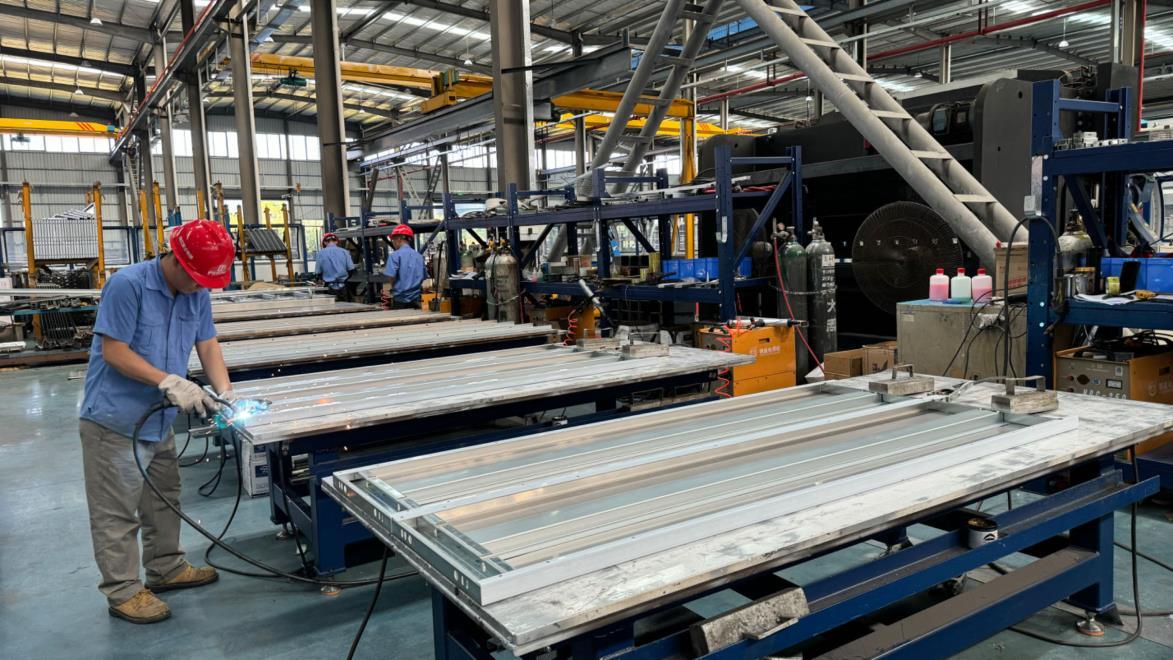
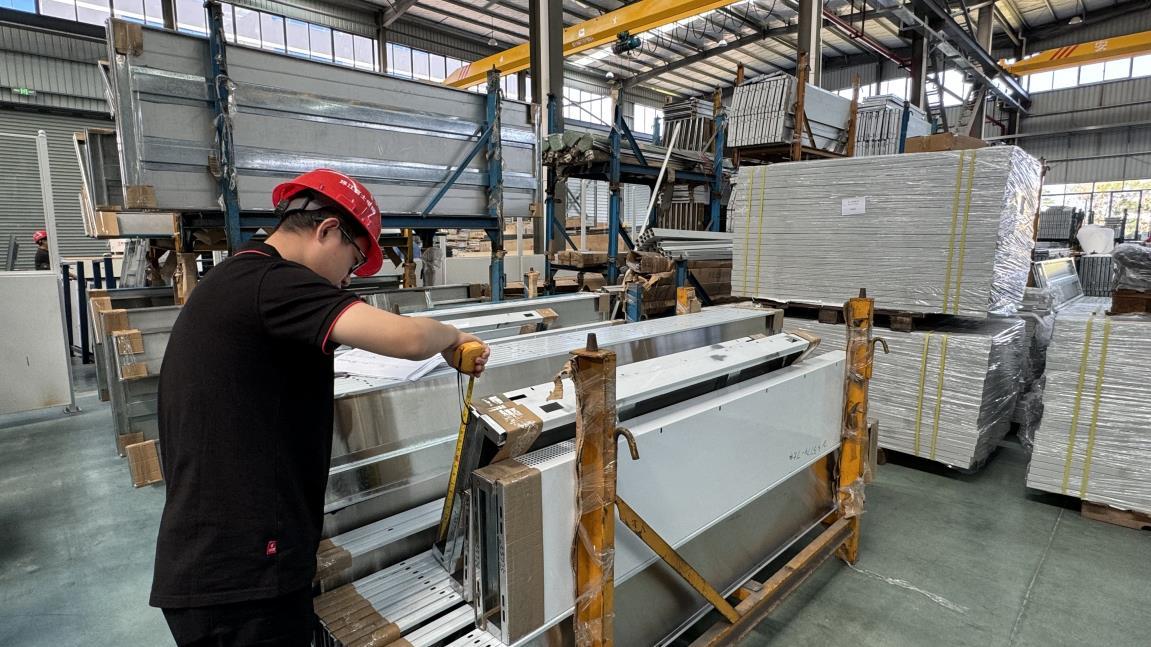
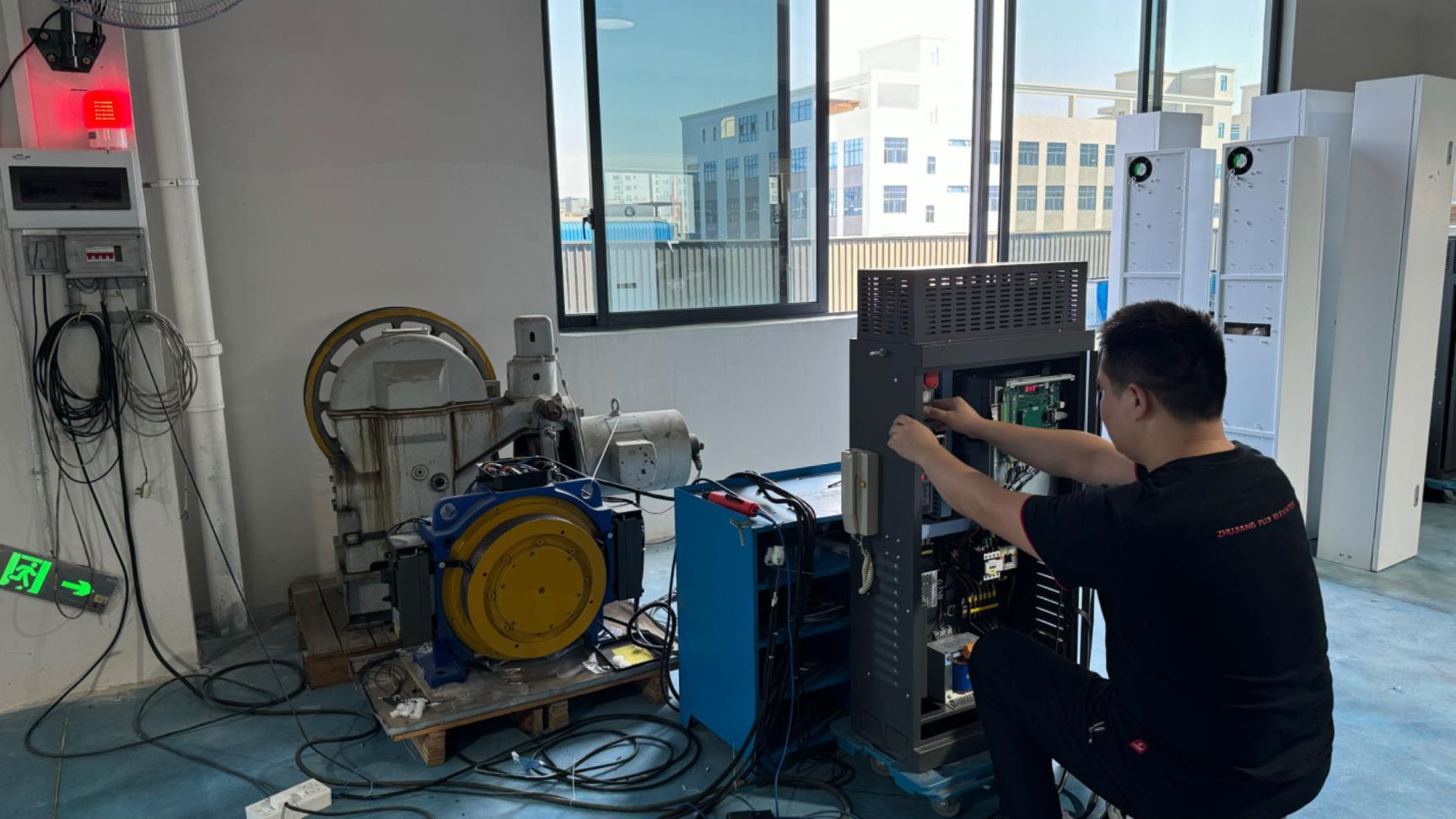
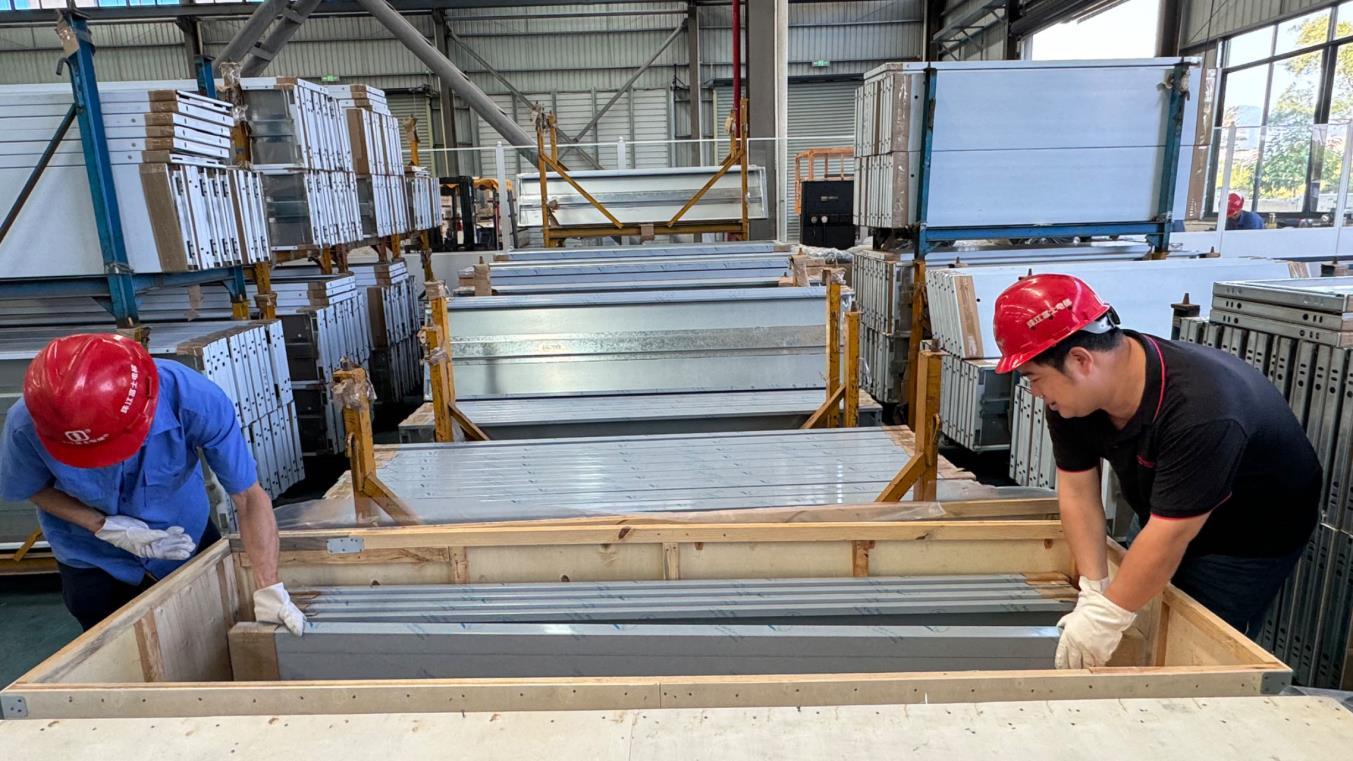
As a national A-level enterprise, DHI Lift operates a state-of-the-art manufacturing facility spanning over 45,000 square meters. We specialize in the end-to-end scope of elevator engineering, including customized design, raw material processing, precision testing, system installation, modernization, and remote preventative maintenance.
We implement refined 6S onsite management alongside rigorous international frameworks, including:
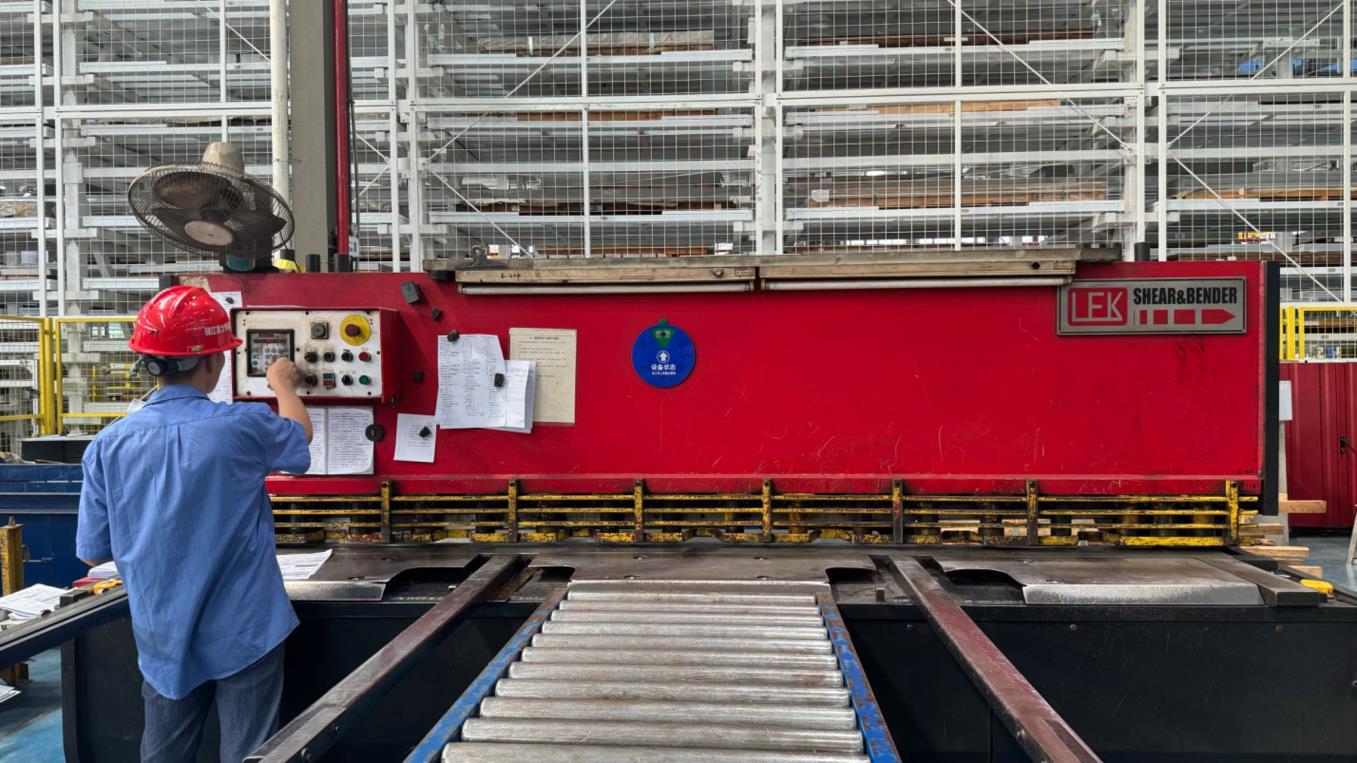
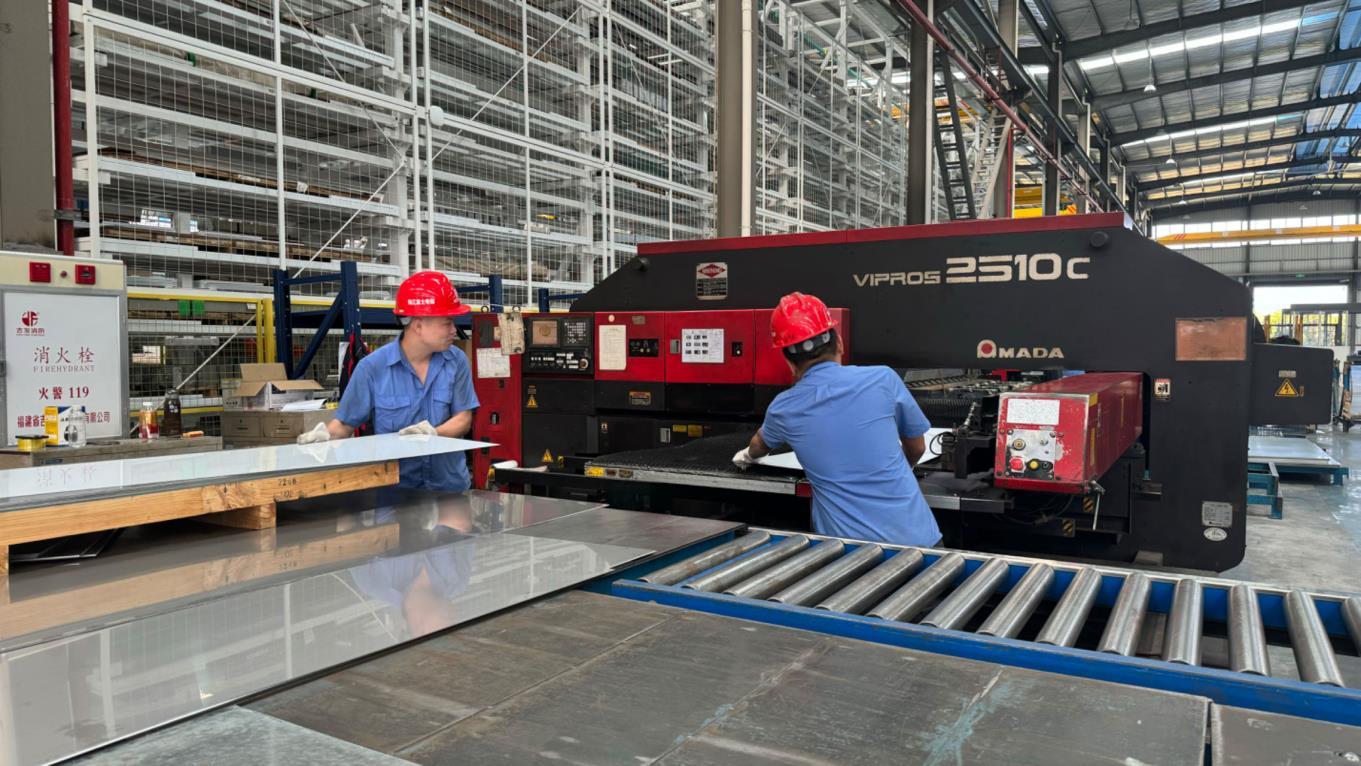
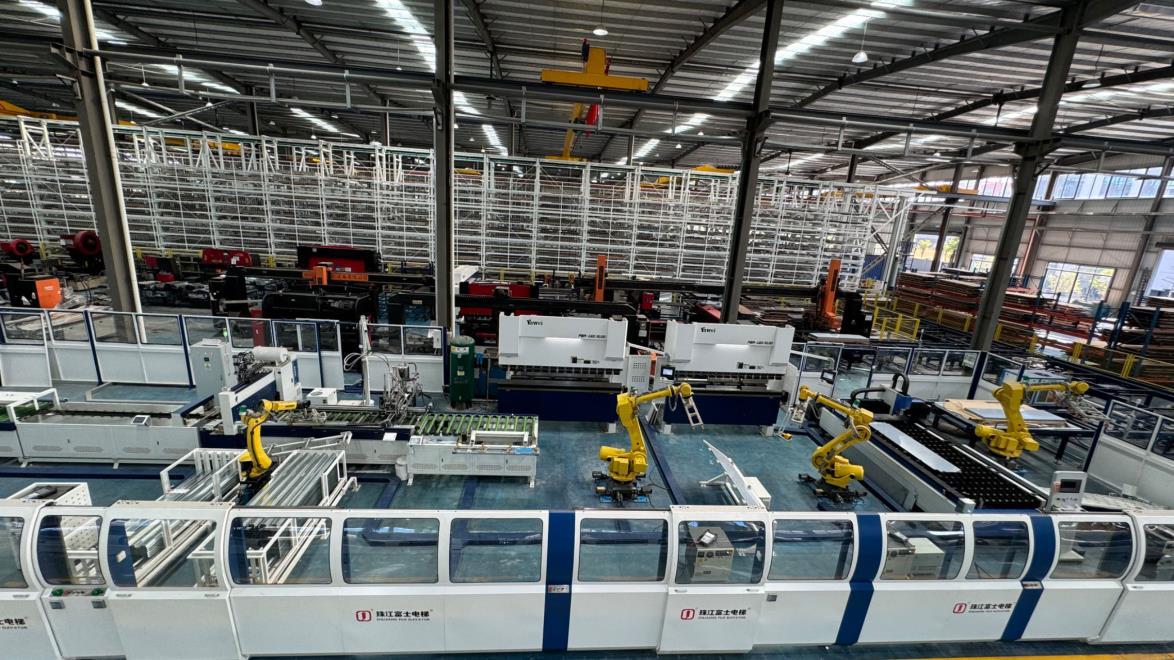
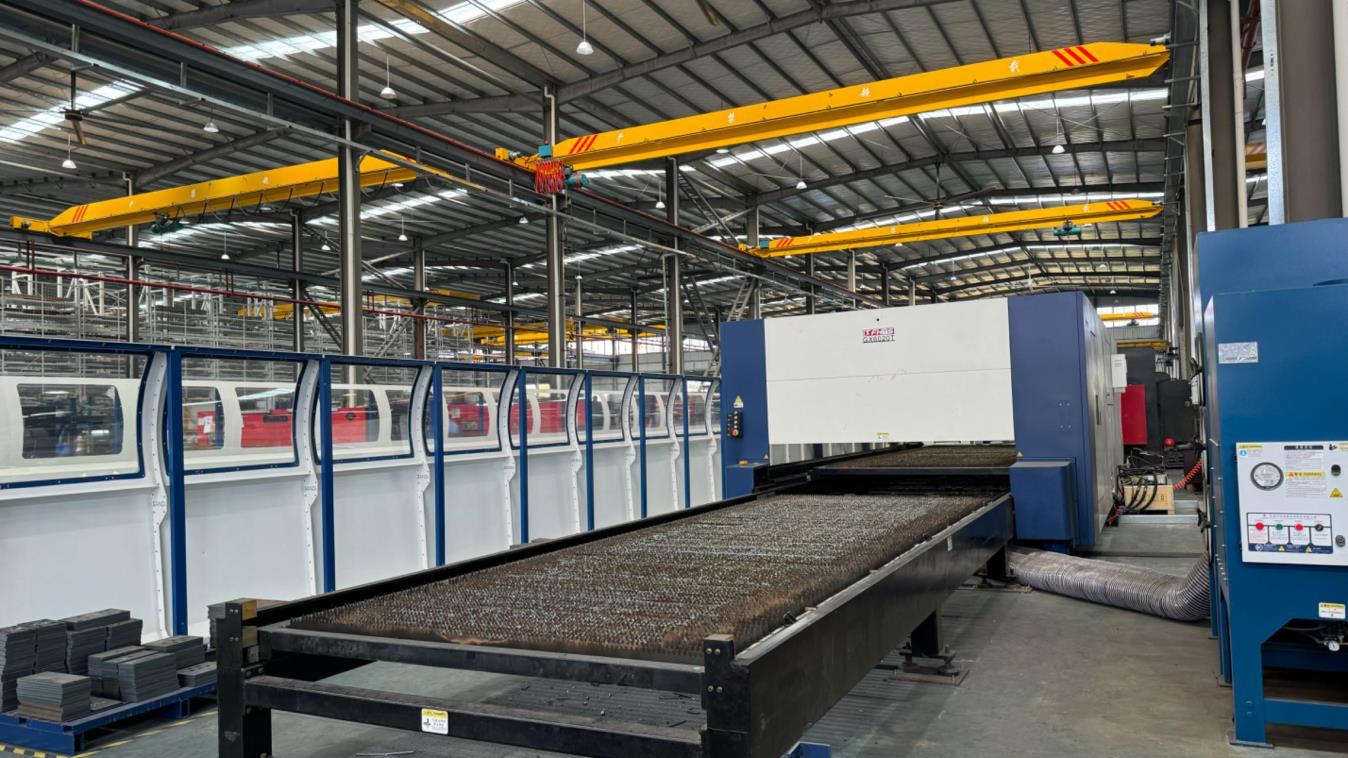
To meet evolving urban challenges, DHI Lift has transformed its manufacturing workflow into an advanced "Internet + Industry 4.0" smart factory. Equipped with automated robotic lines, smart laser machining centers, and digitized supply chains, DHI guarantees precision down to the millimeter for every guide rail, traction wheel, and cabin assembly.
Guangzhou sits at the heart of the Pearl River Delta industrial cluster, allowing immediate sourcing of high-grade structural steel, copper windings, and microelectronic control units with minimal transit lead times.
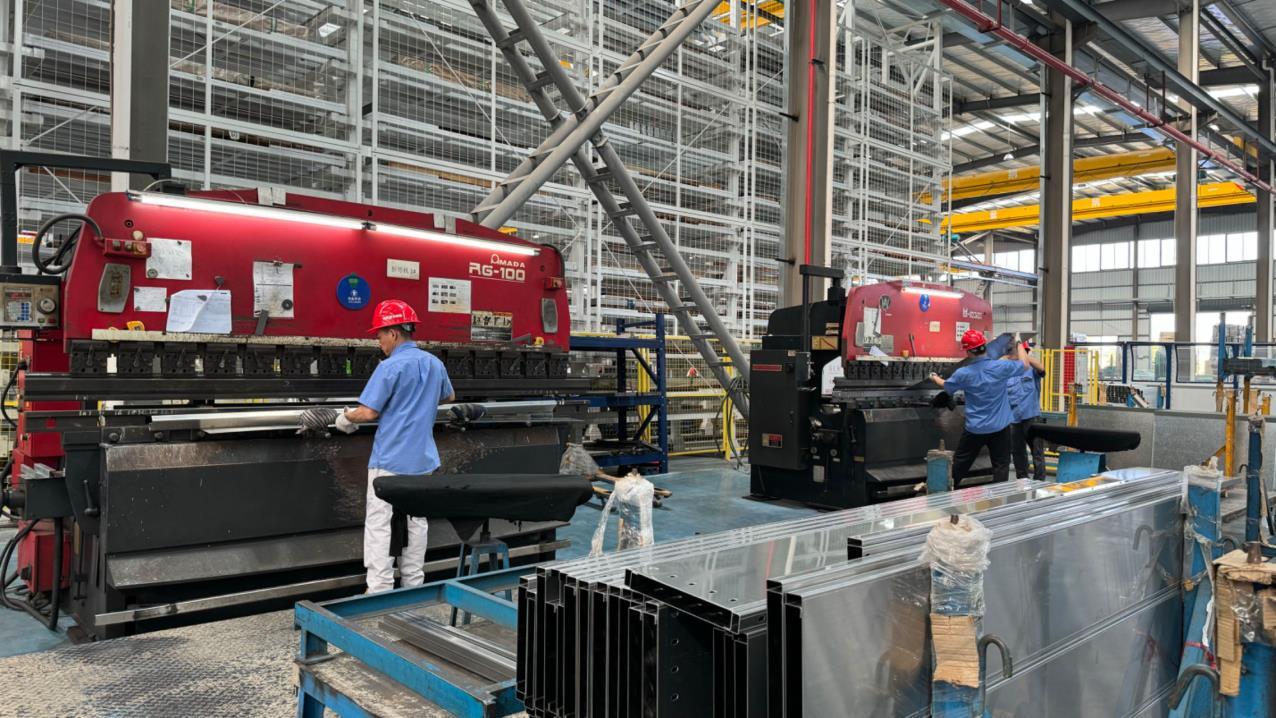
Integration of automated CNC laser cutters, robotic bending units, and digital quality monitoring ensures that each component meets the tight tolerances required for smooth, vibration-free high-speed travel.
Proximity to Nansha, Shenzhen, and Hong Kong deepwater ports translates into streamlined customs clearing, optimized maritime container packing, and lower overall freight expenses for worldwide clients.
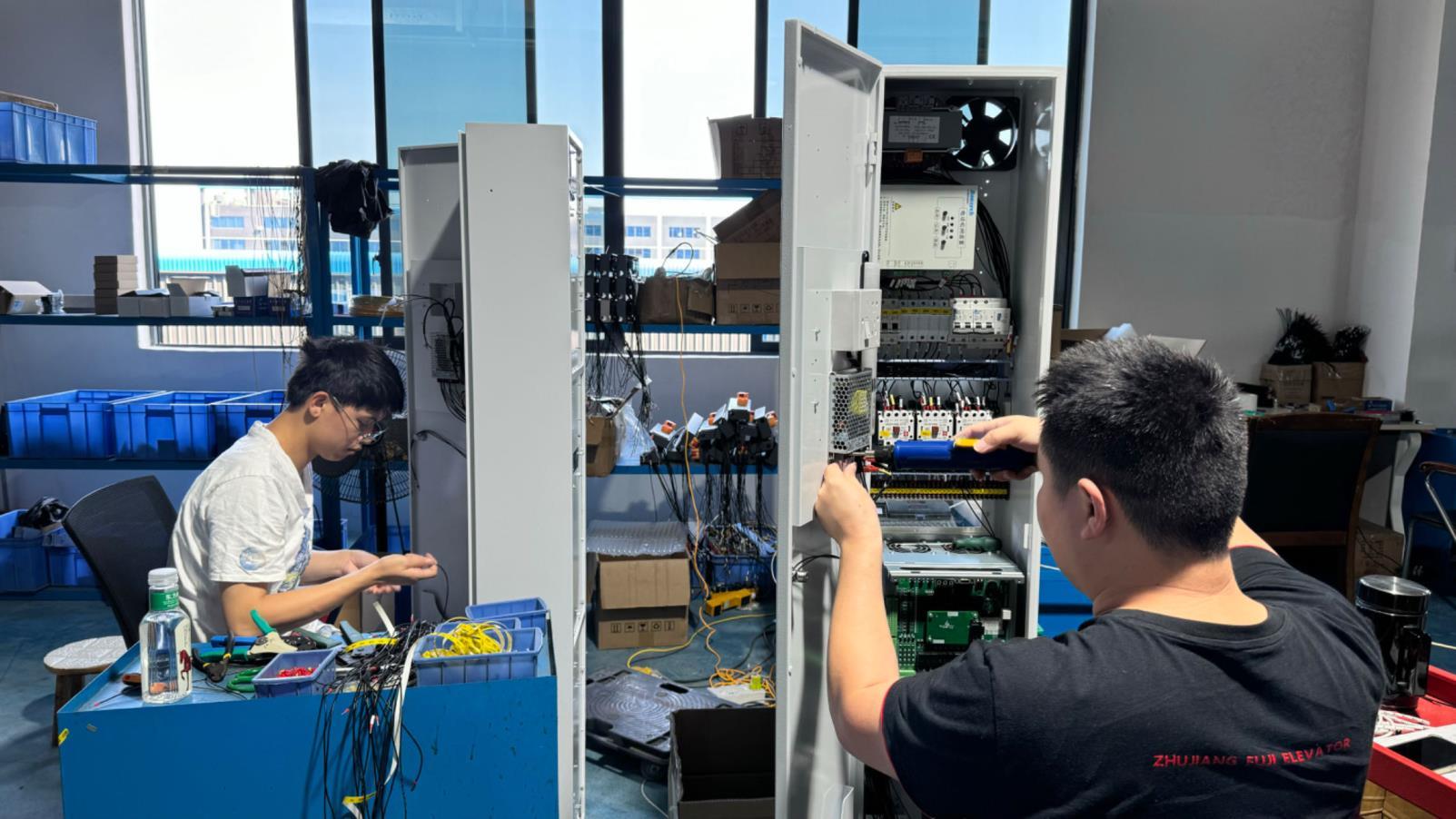
DHI Lift coordinates local supply chain ecosystems with precision control design. Because we maintain vertical integration—handling raw metal processing, mechanical assembly, and electrical programming under one roof—we drastically reduce technical drift. This centralized management model eliminates communication layers and guarantees that bespoke modifications (e.g., custom load profiles, non-standard shaft structures, and unique local code adaptations) are executed efficiently and cost-effectively.
Every elevator manufactured by DHI undergoes a rigorous 11-step mechanical and electrical construction cycle to assure structural load safety and dynamic balance.

Shipping vertical transportation equipment to different global jurisdictions requires comprehensive localization capabilities. A system that functions perfectly under Chinese national codes (GB) must be engineered to meet EN 81-20/50 for Europe, ASME A17.1 for North America, or specialized seismic standards for Pacific countries.
At DHI Lift, we address these variations during the pre-engineering design phase:
Modern architectures demand intelligent and sustainable vertical mobility systems. Vertical transportation systems are evolving from passive mechanical units into data-driven building elements. DHI Lift integrates two primary technologies to prepare our installations for this shift:
By embedding dynamic vibration sensors, oil level sensors, and temperature probes along the traction machine and guide rail systems, our systems stream operational telemetry to cloud monitoring panels. This enables technicians to identify component wear, brake slip, or landing inaccuracies before service interruptions occur, reducing unplanned elevator downtime.
When elevators travel in the direction of gravity with a heavy load (or ascend with a light cabin weight), the traction motor functions as a generator. DHI's energy-regenerative drives feed this dynamic electricity back into the building's electrical system, reducing vertical transportation energy requirements by up to 30%.
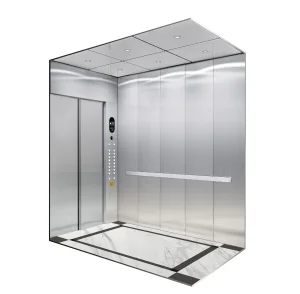
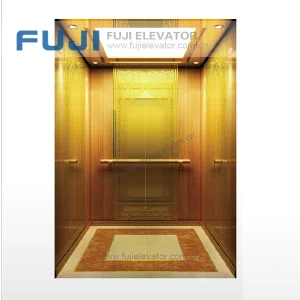
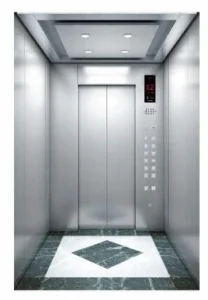
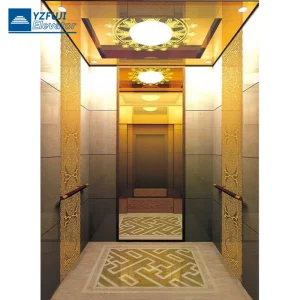
High-traffic passenger elevators designed with destination dispatch algorithms, mirror-etched stainless steel cabins, and noise-dampening machine rooms to complement urban office towers and high-rise apartments.
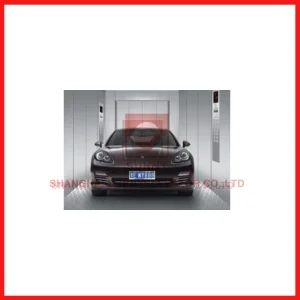
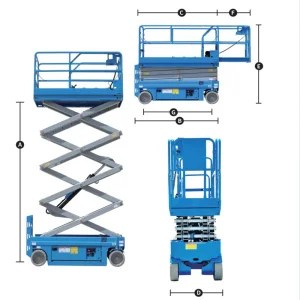
Extremely durable 5-ton to 15-ton freight lifts using rigid structure frames and reinforced thresholds. These hydraulic or traction systems are designed to withstand forklift traffic in warehouses and assembly plants.
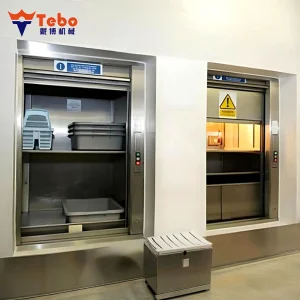
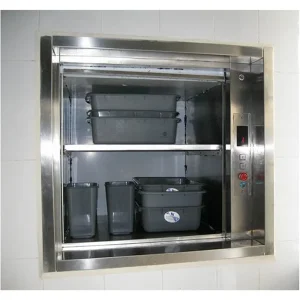
Compact, corrosion-resistant traction dumbwaiters and cargo lifts tailored for ocean-going vessels, offshore drilling platforms, and marine installations, featuring roll-prevention lockouts.
Review common technical inquiries from architects, project engineers, and global procurement managers.
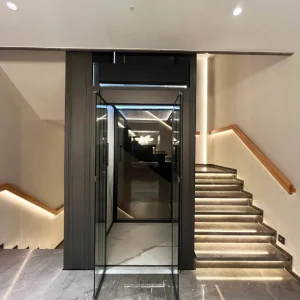
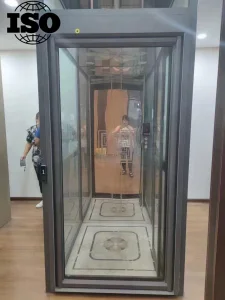
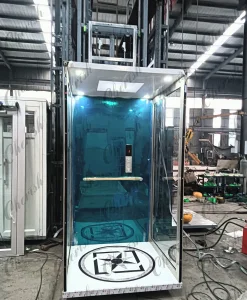
Browse our specialized vertical transportation solutions, ranging from panoramic glass elevators to explosion-proof cargo lifts.
 DHI Lift