Explore our engineering solutions designed for high capacity, severe environmental compliance, and long-term durability.
In the modern era of high-throughput industrial facilities, massive distribution centers, and ultra-high-density automated storage, heavyweight elevators (elevators with load capacities spanning from 3,000 kg up to over 50,000 kg) are critical operational assets. These high-capacity machinery complexes form the logistical backbone of automobile manufacturing plants, metal casting foundries, chemical petrochemical processing facilities, and deep underground transport corridors.
Globally, the demand for high-tonnage lifting systems is accelerating. The rise of multi-level vertical gigafactories—necessitated by land constraints in urban industrial zones—demands freight and heavy-load systems capable of continuous duty cycles under extreme weight tolerances. Unlike light passenger systems, heavyweight elevator engineering deals with high-inertia forces, uneven loading profiles (such as heavy forklifts driving onto the elevator platform), and harsh working conditions, requiring robust mechanical designs, premium raw materials, and precise digital control algorithms.
"The structural loading conditions of industrial freight elevators differ dramatically from passenger units. Heavyweight installations must withstand significant static and dynamic stresses during loading and unloading, demanding a much higher safety coefficient."
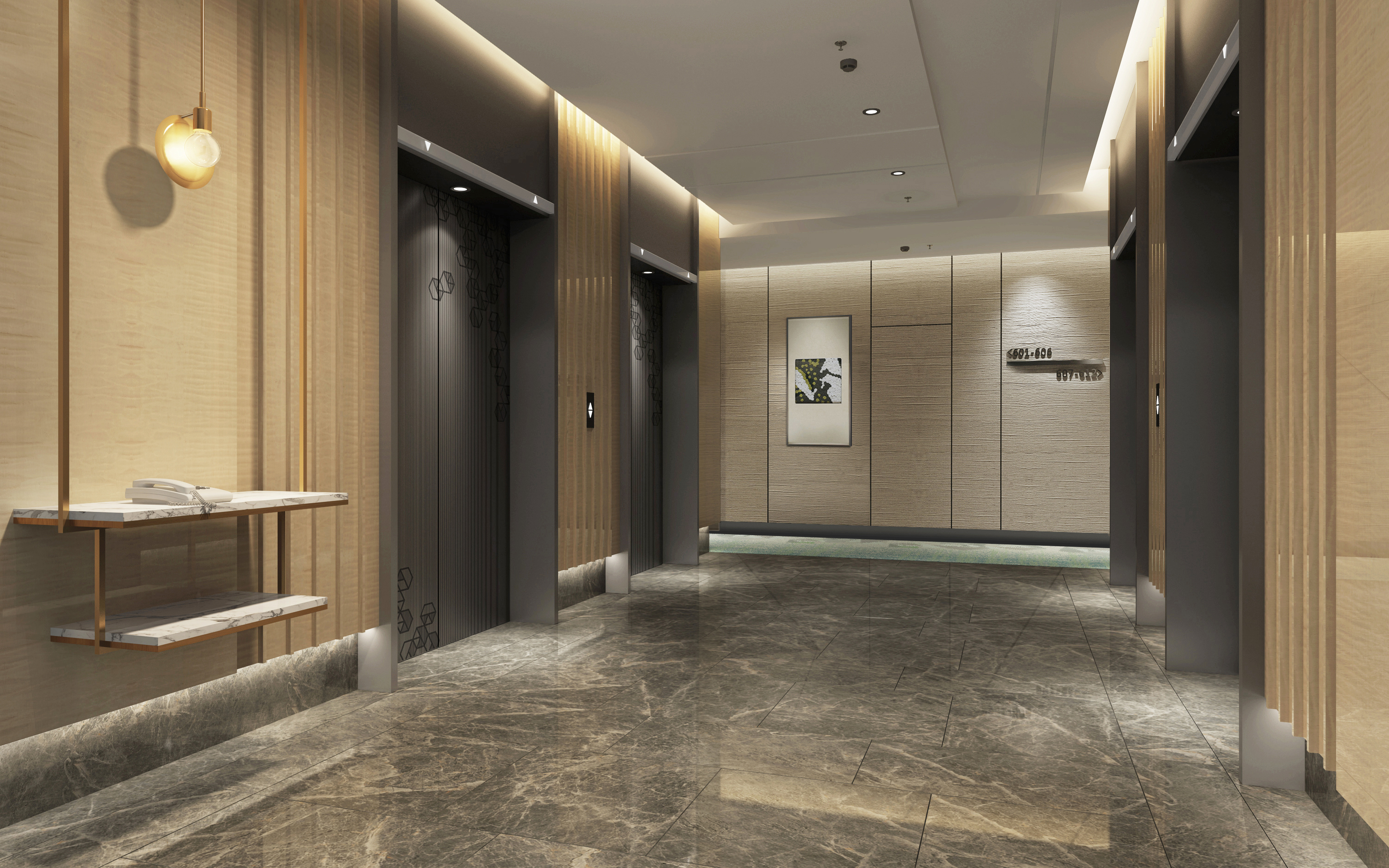
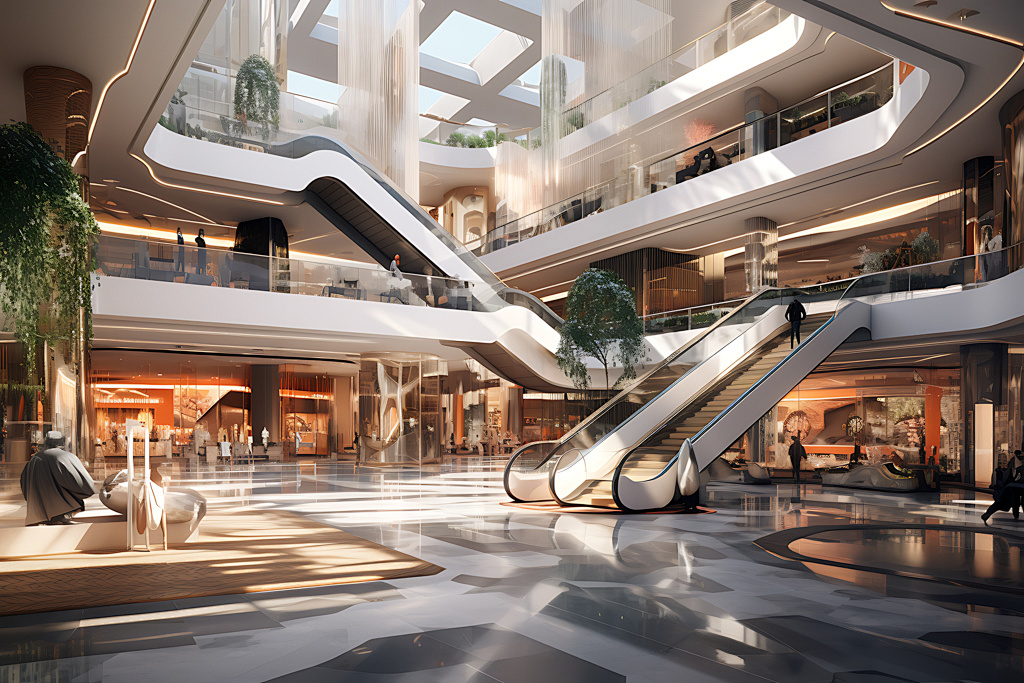
China produces over 70% of the world’s vertical transportation equipment, led by high-density industrial hubs like Guangzhou. The unique industrial synergy of the Greater Bay Area allows factories like Guangzhou DHI Lift Co., Ltd. (established in 2016) to provide unprecedented manufacturing speed, flexibility, and cost efficiencies.
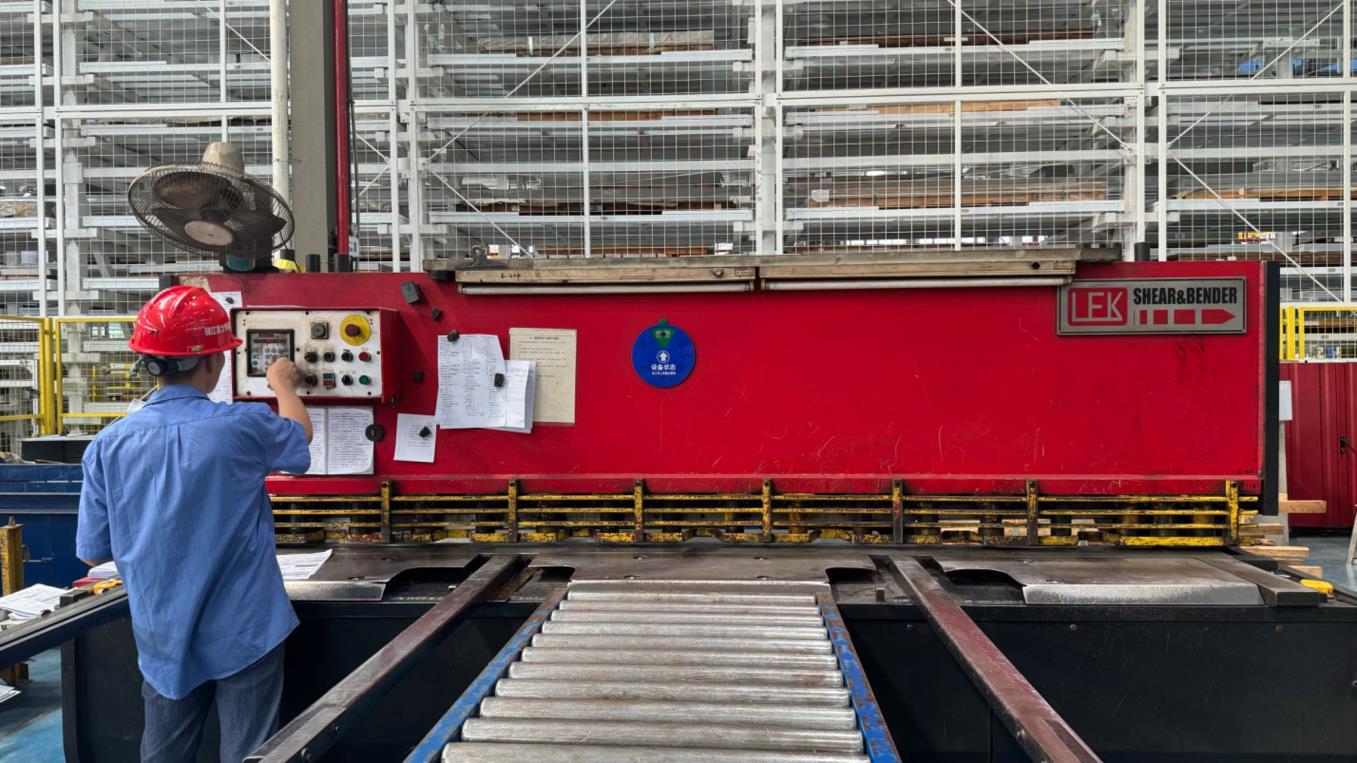
Operating a modern manufacturing base spanning over 45,000 square meters, DHI is a national A-level enterprise specialized in the design, manufacturing, installation, and modernization of heavyweight freight, automobile, passenger, and custom application elevators. DHI utilizes advanced “Internet + Industry 4.0” smart factory methodologies, featuring robotic welding stations, high-accuracy laser cutters, and digital twin monitoring systems that guarantee dimensional accuracy down to fractions of a millimeter.
DHI's integrated factory workflow guarantees that every critical structural weld, surface bend, and electrical control panel meets strict performance parameters.


Industrial machinery must adapt to the conditions of its operation. DHI customizes lifting profiles to perform reliably in extreme environments.
Chemical refineries, processing labs, and extraction sites require absolute compliance with international explosive protection codes. Standard electrical switches and static friction points can produce sparks, presenting catastrophic risks in environments containing dust or gaseous fumes.
The Solution: Explosion-proof systems featuring spark-proof bronze guide rails, specialized ATEX/IECEx certified copper-free cast housings, flameproof electric motors, and pressurized control panels.
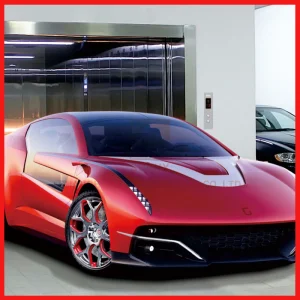
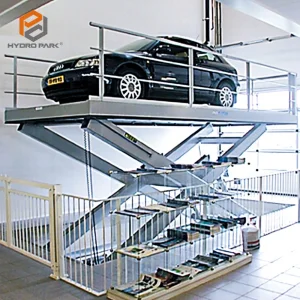
Automobile elevators require exceptionally high torque at start-up, together with rigid mechanical platforms that will not bend or tilt when vehicles cross the threshold. High payload capacity (typically 3,000kg to 5,000kg or more) must be coupled with precise millimeter-level stopping alignment.
The Solution: Heavy-duty vehicle cargo elevators employing dual hydraulic cylinders or specialized gearless traction machines with advanced VVVF variable frequency leveling controllers, providing smooth transition curves and minimal mechanical wear.
Logistics terminals run high-speed, continuous-duty freight systems where delays directly reduce operating profits. Elevators must withstand repetitive vertical loading cycles, heavy industrial forklifts, and occasional impacts to cabin walls.
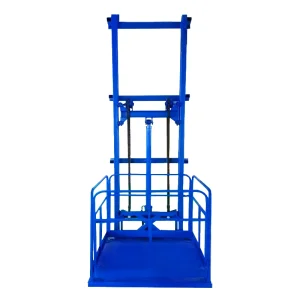
The Solution: Wall-mounted goods elevators featuring reinforced steel framing, high-strength structural guide rails, structural diamond-plate floors, and smart optical protection curtains to prevent accidents.
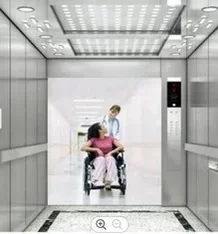
Medical infrastructure demands quiet operation, zero-vibration vertical travel, and deep cabins designed to accommodate complex medical stretchers, life-support hardware, and emergency personnel.
The Solution: VVVF controlled stretcher lifts with backup battery emergency systems, antiseptic hairline stainless steel panels, micro-adjustment leveling technology, and integration with hospital building management automation.
The industrial lifting sector is rapidly evolving from basic mechanical systems to smart, energy-efficient IoT platforms.
The integration of Internet of Things (IoT) sensors allows elevator operators to monitor machine health in real time. Accelerometers, thermal probes on drive motors, and load cell arrays continuously stream operational data to diagnostic platforms. Algorithms analyze this data to predict mechanical failures before they occur, reducing unscheduled downtime by up to 45%.
Industrial heavy-load elevators consume significant amounts of power. Regenerative energy drives capture the kinetic energy generated during braking or when gravity assists a heavy car descending. This power is filtered and returned directly to the building's electrical grid, reducing overall energy consumption by 20% to 35%.
Modern safety codes (such as EN 81-20/50 and ASME A17.1) require advanced dual-brake setups on traction machines, automatic emergency rescue devices (ARD) that guide the elevator to the closest landing during a power failure, and hydraulic buffers engineered to handle high-speed emergency decelerations without structural damage.
Outdoor and marine-grade elevators face relentless exposure to moisture, salt air, and freeze-thaw cycles. Advanced metallurgy, including structural 304 or 316 stainless steel, hot-dip galvanized mechanical framing, and high-performance powder coatings with polyurethane sealants, prevent rust and material failure in harsh outdoor climates.
B2B procurement teams must carefully evaluate technical parameters to ensure project alignment and local regulatory compliance.
| Elevator Category | Typical Load Limits | Drive System Options | Ideal Applications | Standards Compliance |
|---|---|---|---|---|
| Heavy Freight / Cargo | 1,000kg – 10,000kg | VVVF Traction / Heavy Hydraulic | Factories, Logistic Hubs, Warehouses | CE, GB7588, EN 81-20 |
| Explosion-Proof | 500kg – 5,000kg | Hydraulic / Chain / Traction | Chemical Facilities, Gas Refineries | ATEX Directive, IECEx |
| Automobile / Vehicle | 3,000kg – 6,000kg | Dual Hydraulic / Traction Drive | Residential Buildings, Car Showrooms | ASME A17.1, CE |
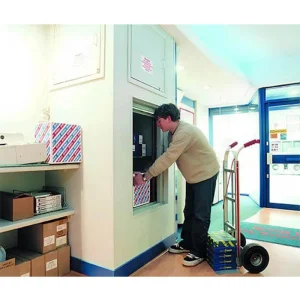
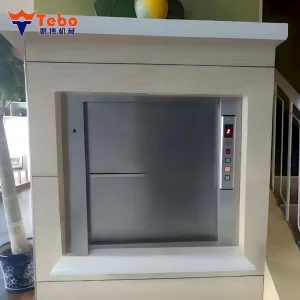
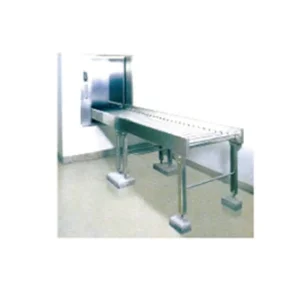
| Dumbwaiters & Service Lifts | 100kg – 500kg | Traction / Steel Cable | Restaurants, Hospitals, Archives | SGS Audited, ISO 9001 |
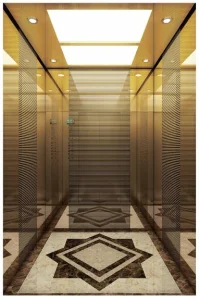
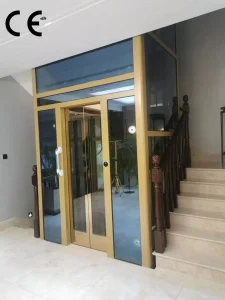
| Passenger / Medical Bed | 1,000kg – 1,600kg | VVVF Gearless PM Traction | High-rise Hospitals, Clinics, Condos | EN 81-70, CE |
Detailed technical answers to common questions asked by procurement teams, architectural planners, and project managers.
A: Hydraulic drives are excellent for shorter travel distances (typically up to 15-20 meters) and are cost-effective to install. They transfer vertical forces directly into the foundation floor, reducing structural loads on the building's walls. Traction drives (specifically gearless PM motors) are suited for taller buildings, operate at higher speeds, and offer greater energy efficiency, but require a reinforced overhead building structure to support the load.
A: ATEX compliance requires that all electrical and mechanical components within the elevator shaft undergo rigorous testing to ensure they cannot produce hot surfaces, electric arcs, or static sparks. This involves using sealed, flameproof boxes, specialized intrinsically safe control systems, non-sparking copper-alloy rails, and anti-static drive belts.
A: VVVF (Variable Voltage Variable Frequency) controllers provide precise control over the electric motor's speed and torque. This enables smooth acceleration and deceleration curves, reducing physical wear on the mechanical systems. VVVF controllers also ensure leveling accuracy within ±2mm, preventing alignment lips that could damage vehicles or cause accidents during loading.
A: Since industrial layouts vary, DHI offers custom engineering designs for cabin dimensions, door configurations (side-slide, center-open, or vertical bi-parting), load capacities, and door height clearances, ensuring the elevator integrates seamlessly with your warehouse and logistics systems.
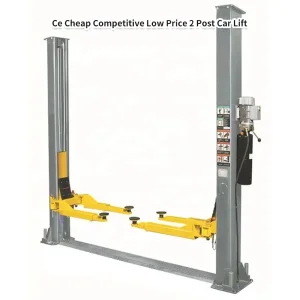
Browse our selection of specialized car lifts, high-performance stretcher systems, and custom service elevators.
 DHI Lift